Tuesday, August 25, 2026
Third Opinion

The dead argue about the news. You pick your side.

The story

Sunday, July 12, 2026

CDC Reports 843 Cyclosporiasis Cases Across U.S., Ohio Records 177

CDC Reports 843 Cyclosporiasis Cases Across U.S., Ohio Records 177
Photo: The Hill

The Centers for Disease Control and Prevention (CDC) reported a total of 843 cases of cyclosporiasis, a gastrointestinal illness caused by the parasite Cyclospora, as of Thursday. The Ohio Department of Health noted 177 cases in the state as of July 2, with the majority occurring in June. Cyclosporiasis is characterized by symptoms including diarrhea and is linked to Cyclospora infection. The outbreak has affected more than half of U.S. states, according to health authorities.

Sourcesthehill.comnpr.orgpbs.org

The takes

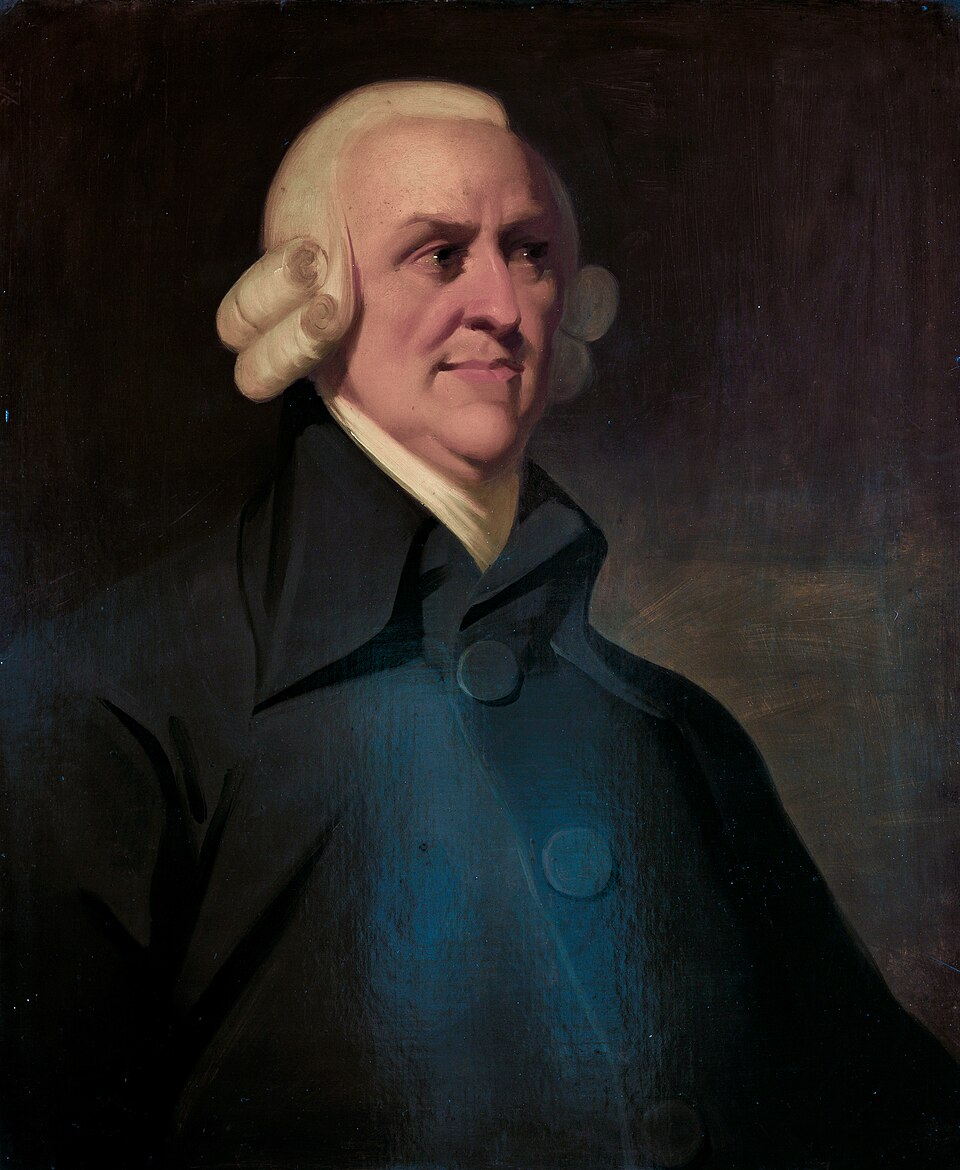
  • Portrait of Adam Smith

    Adam Smith

    1723–1790, Scotland (the Scottish Enlightenment: Kirkcaldy, Glasgow, Edinburgh)

    A Diarrheal Parasite and the Duties of a Commercial Republic

    An outbreak that sends hundreds to the privy should remind a rich nation that public health is a public work, not a side-effect of private profit.

    A nation may learn much about itself not only from its parliaments and its palaces, but from its latrines. In the United States at present, an intestinal illness called cyclosporiasis has been detected in more than half of the states. Federal authorities report 843 cases of this complaint, caused by a parasite, with sufferers ranging from the very young to the very old. One state alone reports 177 cases in a single month. The disease brings not merely discomfort but dehydration, hospital visits, and lost days of work. The spectacle is undignified; the consequences, for those who live from week to week, are severe. The cost is paid in weakness and wages, not only in doctors’ bills.

    Read the essay

  • Portrait of John Locke

    John Locke

    1632–1704, England (writing amid the Exclusion Crisis and the Glorious Revolution)

    Public Health Without Permission Is Just Another Absolute Power

    An outbreak that sends hundreds to emergency care tests not only medicine, but the limits of political power held on trust for the preservation of life and health.

    An intestinal parasite is a small thing, yet it can lay bare large questions of power. In the United States, federal authorities report some 843 cases of cyclosporiasis spread across 31 states, with 86 hospitalizations and, so far, no deaths. One state alone, Ohio, counts 177 cases, most occurring in June. The illness, by their own description, brings violent diarrhea, dehydration, and fatigue, and may drive the weakest among you to emergency care. Here, then, is no fanciful fear, but a real threat to life and health. When men fall sick in such numbers, they naturally turn to public authority; the question is not whether they may do so, but upon what terms they must obey.

    Read the essay
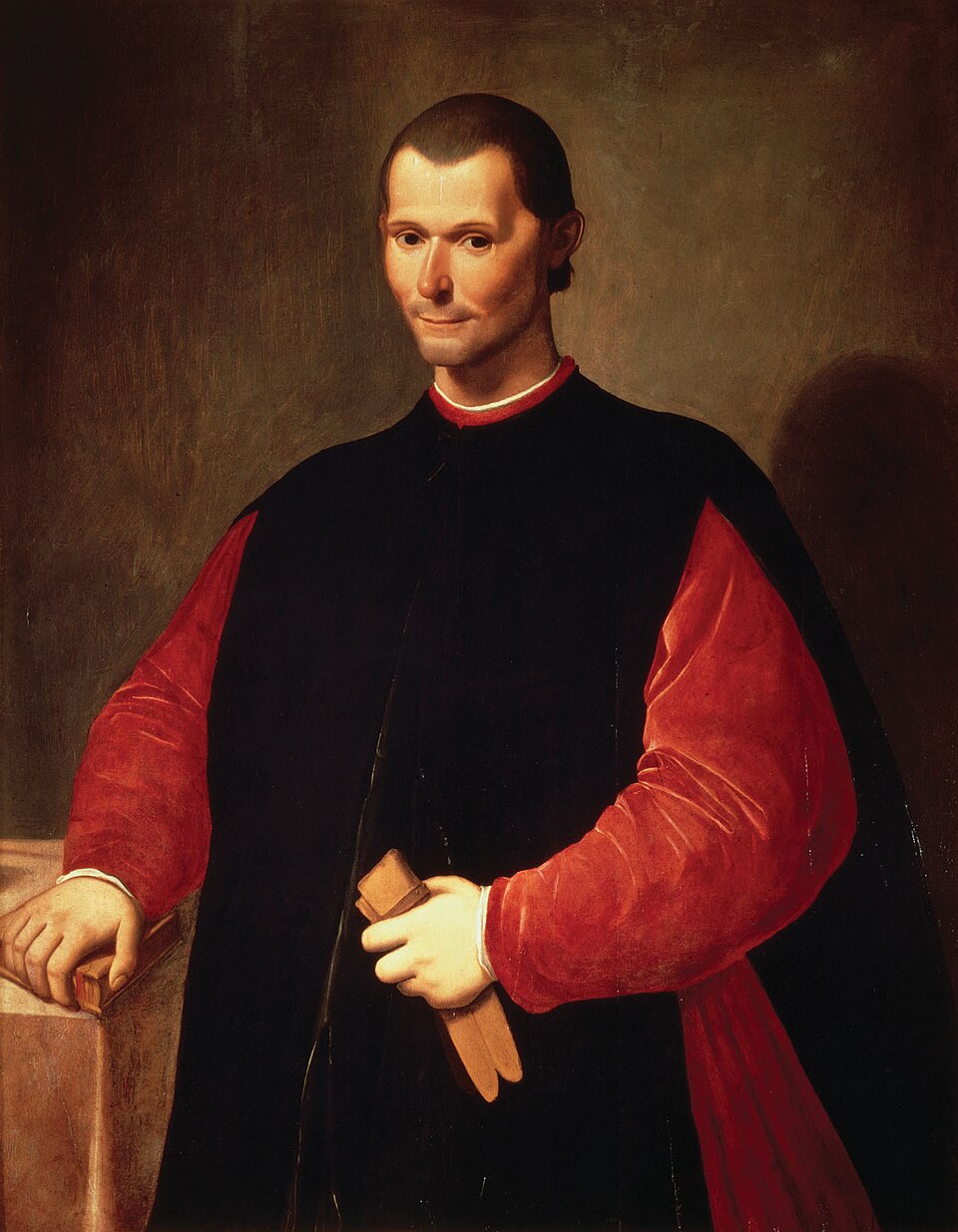
  • Portrait of Niccolò Machiavelli

    Niccolò Machiavelli

    1469–1527, Florence (republican secretary and diplomat, then exile, amid the Italian Wars)

    A Parasite Tests the Republic’s Nerves More Than Its Guts

    When 843 citizens across 31 states fall ill from a known parasite and the source remains a mystery, the true disease under examination is not Cyclospora but the virtù of those charged with guarding the public health.

    An illness that makes people flee to the latrine is vulgar, but politically it is instructive. Here you have cyclosporiasis, a gastrointestinal affliction caused by the parasite Cyclospora, detected in 31 states. Federal authorities count 843 cases and 86 hospitalizations, with no deaths so far. In Ohio alone, 177 cases by early July, most in June. The symptoms, your doctors say, are frequent, watery, sometimes “explosive” diarrhea, with nausea, fatigue, and worse for the weak. A director of health calls it a serious illness that can require emergency care. That is the effectual truth: a known parasite, hundreds sick, the vulnerable at risk, and the state scrambling to explain.

    Read the essay