CDC Reports 843 Cyclosporiasis Cases Across U.S., Ohio Records 177
A Parasite Tests the Republic’s Nerves More Than Its Guts
When 843 citizens across 31 states fall ill from a known parasite and the source remains a mystery, the true disease under examination is not Cyclospora but the virtù of those charged with guarding the public health.
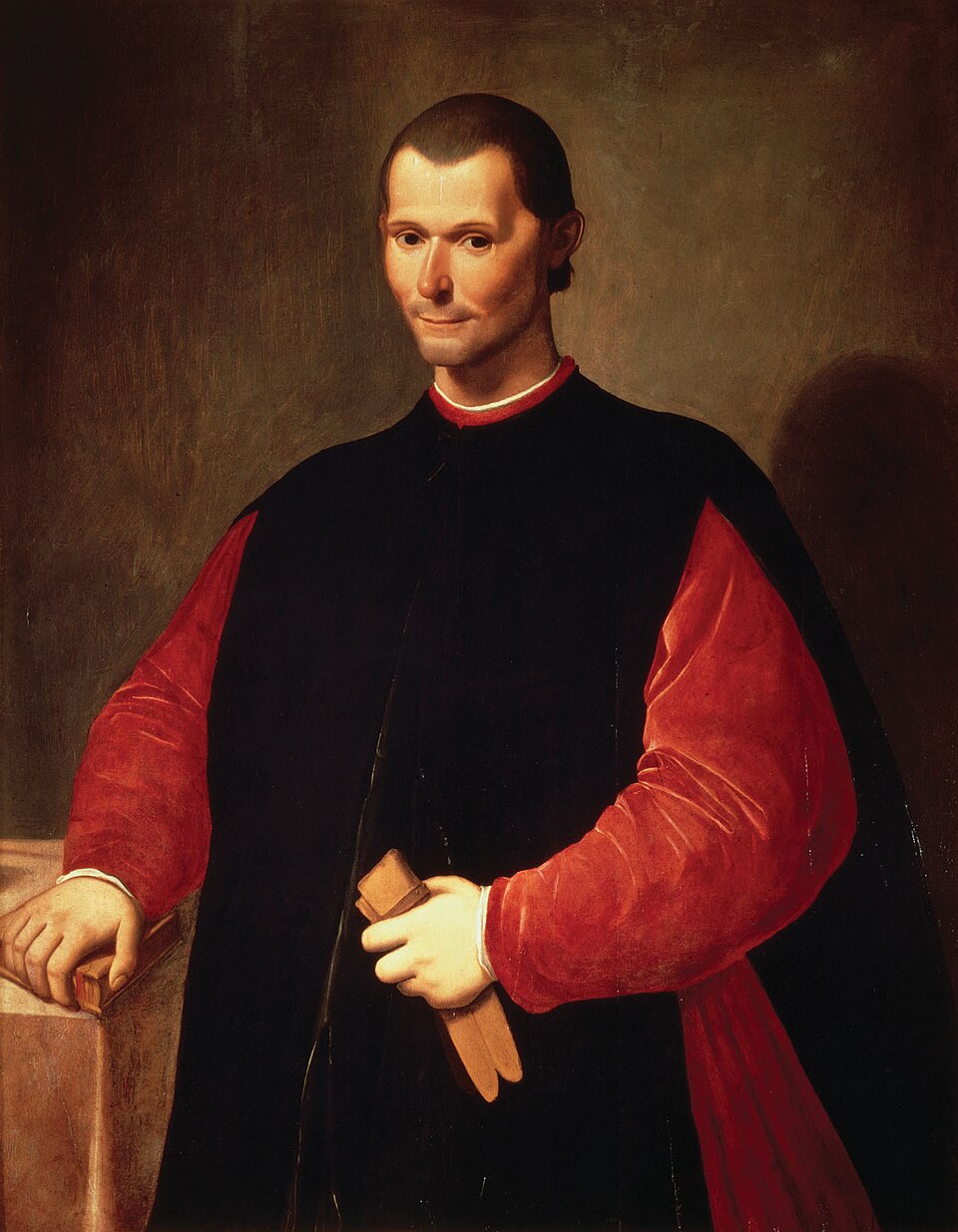
An illness that makes people flee to the latrine is vulgar, but politically it is instructive. Here you have cyclosporiasis, a gastrointestinal affliction caused by the parasite Cyclospora, detected in 31 states. Federal authorities count 843 cases and 86 hospitalizations, with no deaths so far. In Ohio alone, 177 cases by early July, most in June. The symptoms, your doctors say, are frequent, watery, sometimes “explosive” diarrhea, with nausea, fatigue, and worse for the weak. A director of health calls it a serious illness that can require emergency care. That is the effectual truth: a known parasite, hundreds sick, the vulnerable at risk, and the state scrambling to explain.
Now, I judge not sermons, but actions. What do we see? We see that the source of the outbreak is still “under investigation,” even though past episodes have already associated this parasite with raspberries, basil, cilantro, snow peas, and lettuce. When I wrote in The Prince, in W. K. Marriott’s translation, that fortune is like a raging river which overwhelms countries that have made no dykes and barriers, I meant exactly this kind of case: the same river, the same valley, yet the village still builds on the floodplain. If a known parasite walks the same roads as before, ignorance is no excuse; only lack of preparation is exposed.
The first duty of those who govern a republic is to maintain the state. In our times, disease is as much a disturber of order as any condottiere. The Centers for Disease Control and Prevention and the state health departments hold an office akin to that of a Roman magistrate charged with the grain supply: when they fail, fear multiplies faster than hunger or microbes. Their survival incentive is not abstract virtue but continued authority; if citizens conclude these guardians cannot trace a parasite that announces itself with such violence in the body, they will doubt those same guardians in graver storms. Once trust is spent, you cannot quickly coin more.
In such matters, preparation is everything. Against fortune’s river, one digs channels in fair weather. Here, fair weather means the years when previous cyclosporiasis outbreaks taught which foods are suspect, how cases first appear, how quickly numbers climb. Yet you still have a situation where, by early July, hundreds are ill across more than half the states, and the public hears mostly that the cause is being sought. This tells me that the arts of tracing, inspecting, and compelling cooperation from merchants have not been made sharp enough in peacetime. A prince who fears to offend a few traders will eventually offend the entire people.
Do not underestimate appearances. Men judge more by the eyes than by the hands, and all see what you seem to do, few feel what you do in secret. The people do not read laboratory reports; they see headlines of an “explosive” diarrhea parasite striking across the country while authorities speak in cautious phrases. If you show only uncertainty, the people imagine incompetence; if you show only confidence without detail, they imagine concealment. The art is to admit what is unknown, show clearly what is being done, and, where necessary, impose measures that look severe but are plainly ordered to the common safety. A republic survives when fear is directed, not allowed to ferment.
Here severity and mercy must be counted by the ledger, not by the moment’s optics. Severity means aggressive inspections, temporary restrictions on suspect produce, and frank warnings that may anger growers and restaurants. Mercy means caring for the sick, protecting workers’ livelihoods where you can, and avoiding unnecessary panic. The worst course, which modern rulers love, is the middle course: soft language, slow action, half-measures that neither clearly safeguard health nor plainly tell citizens the risks. In this way you pay the costs of both rigor and laxity, with the benefit of neither. As I argued in the Discourses on Livy, in Ninian Hill Thomson’s translation, when corruption advances you must return to first principles, not to half-remedies.
This outbreak, so far without deaths, is a mild rehearsal for harsher fortunes. If, with 843 cases and 86 hospitalizations from a familiar parasite, the institutions cannot swiftly identify the source, demonstrate command of the investigation, and speak to the people with both prudence and force, then the republic has left gaps in its dykes. I do not demand miracles; I ask only that those entrusted with public health show the virtù to treat each such occasion as training for the next, more dangerous one. A state that cannot master a parasite that merely humiliates the body will not easily master the adversaries that threaten its life.
From the works cited
- The Prince — Virtù versus fortuna — the raging-river figure: preparation in fair weather is the whole difference between the drowned and the dry.
- The Prince — Appearances are a hard currency of power: most people judge by the eyes rather than the hands, by results rather than processes.