Tuesday, August 25, 2026
Third Opinion

The dead argue about the news. You pick your side.

The story

Sunday, July 12, 2026

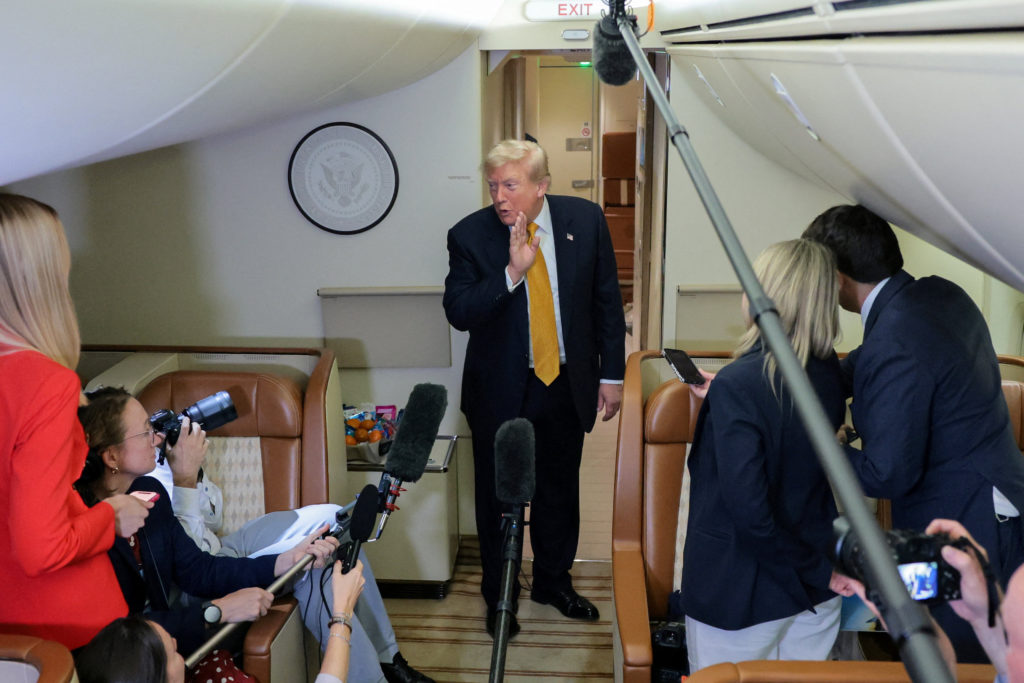
DOJ Subpoenas New York Times Reporters Over Air Force One Security Story

DOJ Subpoenas New York Times Reporters Over Air Force One Security Story
Photo: PBS NewsHour

The Department of Justice has subpoenaed at least four New York Times journalists following their report on security concerns related to the new Air Force One, donated by Qatar. The subpoenas, delivered in some cases to reporters' homes, require testimony before a federal grand jury in Manhattan. The Times stated that prior to publication, a senior FBI official requested the newsroom to withhold the story due to national security concerns but did not provide further details. The DOJ clarified that reporters are not targets; rather, the investigation focuses on individuals leaking classified information. The subpoenas represent an escalation in the federal government's investigation into leaks, with officials emphasizing the need to enforce laws protecting classified information. The action has drawn criticism from press freedom advocates who view it as a departure from longstanding DOJ practices intended to protect press independence.

Sourcespbs.orgmotherjones.comfoxnews.comfoxnews.comnpr.orgtheguardian.com

The takes

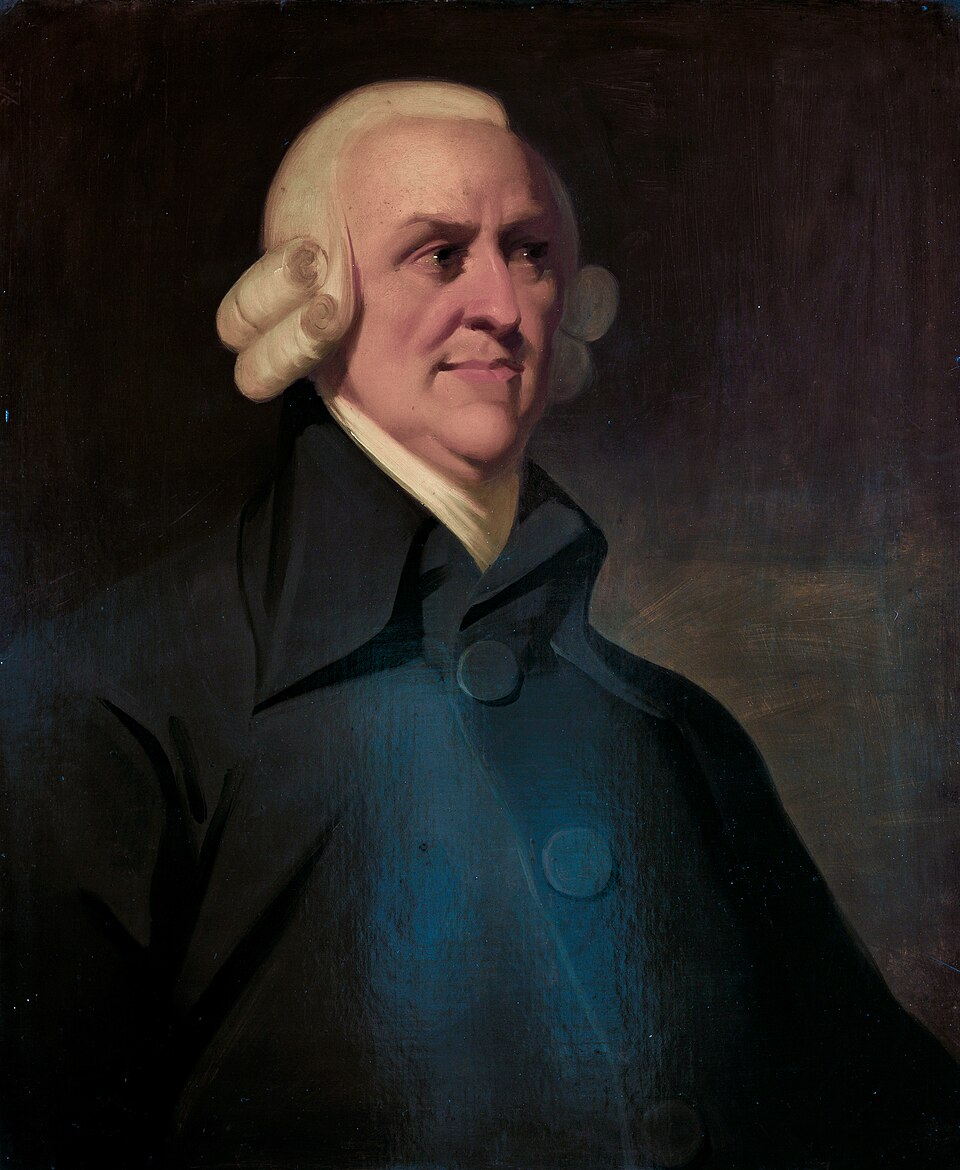
  • Portrait of Adam Smith

    Adam Smith

    1723–1790, Scotland (the Scottish Enlightenment: Kirkcaldy, Glasgow, Edinburgh)

    Subpoenas at the Door: When National Security Becomes Reputational Security

    A government that sends agents to reporters’ homes in the name of secrecy forgets that, in a free country, the people are the ultimate sovereign—and sovereigns do not like to be kept in the dark.

    Let us begin with the knock on the door. Federal agents, we are told, delivered subpoenas at the homes of reporters who had written about security concerns involving a new, foreign‑gifted Air Force One. The Justice Department insists that “reporters are not the targets,” only those who leak classified information; yet the reporters are ordered before a grand jury, with no clear indication what is expected of them. The administration proclaims national security; the newspaper’s lawyer calls it an attempt to prevent the public from knowing what is happening in their country. When power arrives unannounced at a citizen’s threshold, the question is not only what it seeks, but what spectacle it intends.

    Read the essay
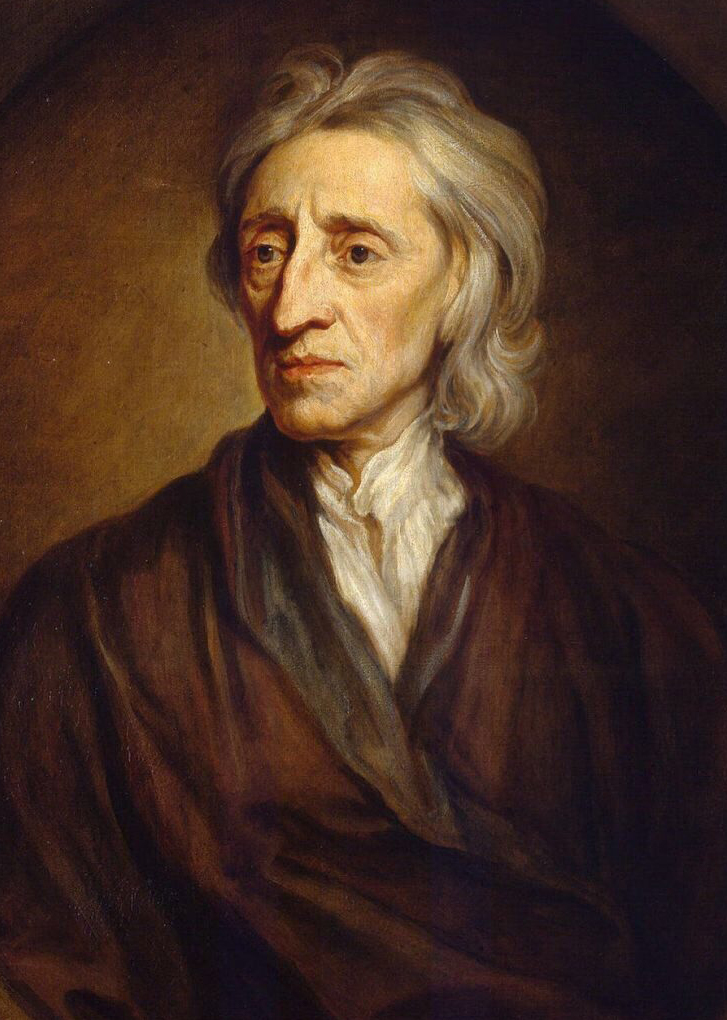
  • Portrait of John Locke

    John Locke

    1632–1704, England (writing amid the Exclusion Crisis and the Glorious Revolution)

    Subpoenaing the Press Is Not Law but Force

    When officers carry unclear demands to reporters’ homes for publishing security concerns, government ceases to be a guardian of liberty and begins to be a party in its oppression.

    Federal agents knocking at reporters’ doors in the evening, subpoenas in hand, is a vivid picture, and not a wholesome one. We are told that journalists of the New York Times, having published accounts of security concerns about a new, foreign‑gifted Air Force One, were thus summoned to a grand jury, with little clarity as to what they must answer. Their own lawyer names it intimidation, “an attempt to prevent the public from knowing what is happening in their country.” The Department of Justice replies that reporters are not targets; leakers are. Yet when power comes physically to a man’s threshold, and will not clearly say what it wants, I must ask what sort of power this is.

    Read the essay
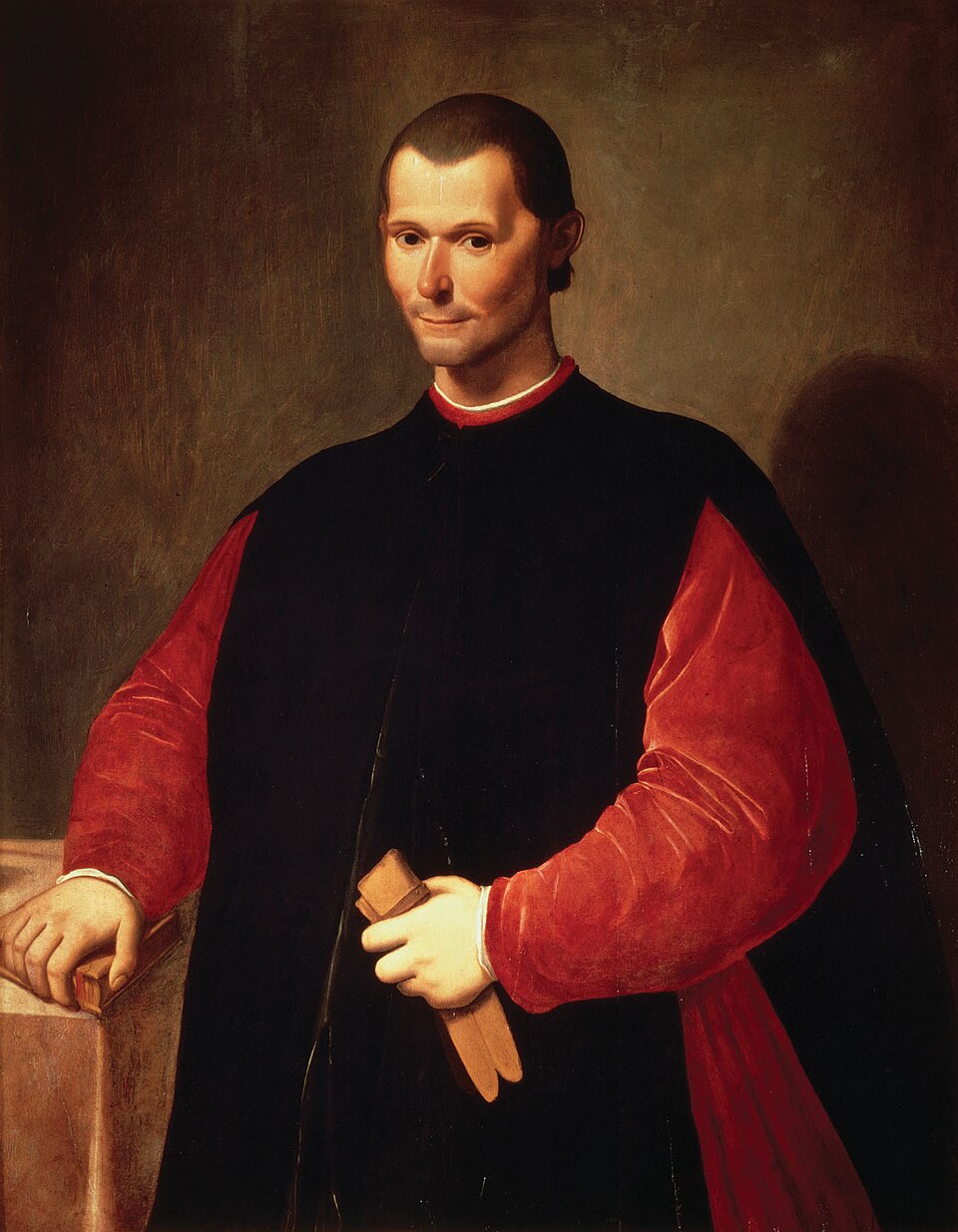
  • Portrait of Niccolò Machiavelli

    Niccolò Machiavelli

    1469–1527, Florence (republican secretary and diplomat, then exile, amid the Italian Wars)

    A President, a Plane, and the Intimidation of Eyes That Watch

    Subpoenaing reporters over a security story shows virtù in defending secrets—but in a republic, turning federal agents into messengers at journalists’ doors spends legitimacy faster than it buys safety.

    The scene is simple and brutal. Reporters publish a story about security concerns involving a new, Qatari‑gifted Air Force One. Before publication, a senior FBI official asks them not to print, invoking national security but offering no clear explanation. After publication, the Department of Justice serves at least four New York Times journalists with subpoenas, some delivered by federal agents at their homes, ordering them before a grand jury. The department insists the targets are leakers of classified information, not the press. Lawyers and advocates call it intimidation and a break with longstanding practice. Everyone invokes “national security” or “press freedom.” No one speaks of the effectual truth.

    Read the essay