DOJ Subpoenas New York Times Reporters Over Air Force One Security Story
Subpoenaing the Press Is Not Law but Force
When officers carry unclear demands to reporters’ homes for publishing security concerns, government ceases to be a guardian of liberty and begins to be a party in its oppression.
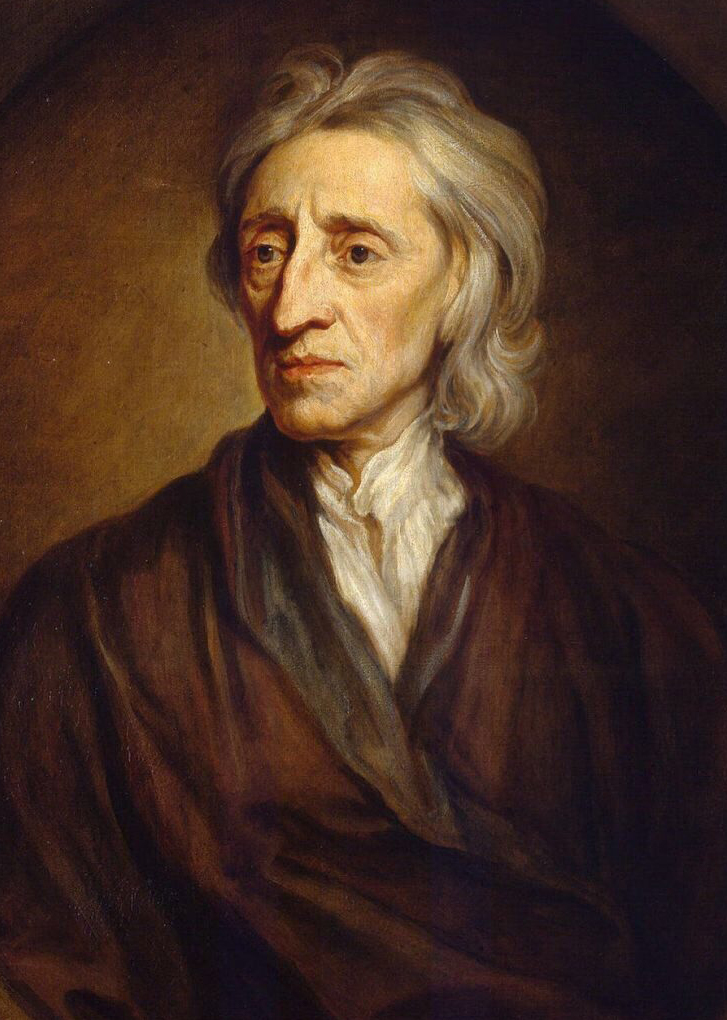
Federal agents knocking at reporters’ doors in the evening, subpoenas in hand, is a vivid picture, and not a wholesome one. We are told that journalists of the New York Times, having published accounts of security concerns about a new, foreign‑gifted Air Force One, were thus summoned to a grand jury, with little clarity as to what they must answer. Their own lawyer names it intimidation, “an attempt to prevent the public from knowing what is happening in their country.” The Department of Justice replies that reporters are not targets; leakers are. Yet when power comes physically to a man’s threshold, and will not clearly say what it wants, I must ask what sort of power this is.
In my Second Treatise of Government I described political power as the right of making laws, with penalties, only for the public good, and all this by settled standing rules, not by sudden, shapeless orders. If the Times’ account is true, we have here not a known rule, plainly applied, but federal agents bearing instruments whose scope is obscure even to those who receive them. First, reporters publish on matters that touch the public safety of a state aircraft; secondly, before publication a senior official urges silence on grounds of national security, yet offers no further explanation; thirdly, after publication, subpoenas suddenly descend upon at least four journalists. This sequence bears the marks of displeasure armed with power, and few of impartial law.
The Department pleads the necessities of secrecy. It says that it values the press, but must also ensure that those entrusted with classified matters keep faith. Here we touch the real question. No one doubts that a community may, by consent, authorize confidential counsel in war or negotiation, nor that a breach of that confidence may sometimes be punished. But who bears the burden of proof when that claim to secrecy is used to drag witnesses before a criminal inquest? Not the reporter, who has by nature a liberty to speak what he knows for the good of his fellows; it lies on those who would restrain him. They discharge it only by showing a clear law, a clear harm, and a proceeding before an impartial judge.
That last condition is crucial. When those who feel themselves injured by disclosure are, through their own officers, the very parties deciding when and how to summon the reporters, they come close to being judges in their own case. We are told these subpoenas “break from longstanding Justice Department practice” of using such measures only as a last resort. If so, then even by their own civil standards this is an extraordinary step. Extraordinary power is what I called prerogative: a trust to act without the letter of the law when the public good clearly requires it. Yet prerogative is tolerable only so long as it is manifestly for the people’s safety and remains subject to their censure; once it shields rulers from scrutiny, it turns into usurpation.
It will be said that national security is at stake, and that enemies may benefit from such stories. Possibly; but this word “security,” like “public order” in my own time, is apt to grow until it swallows every liberty that bites. In my Letter Concerning Toleration I argued that the commonwealth is instituted only for civil interests: life, liberty, bodily integrity, and outward possessions. If journalists report genuine defects in the protection of a state aircraft, they act directly for those very interests. To silence them is not to guard security, but to conceal whether the magistrate has discharged his trust. When government, as one advocate observes, claims to protect national security but chiefly shields “its own reputational security,” reason itself tells us whose safety is preferred.
There is also the manner of this business: agents visiting homes, vague commands to appear, the haste of a single week to assemble them before a grand jury. Men are not stocks and stones, but the workmanship of one Maker, sent into the world about His business, and cannot lightly be frightened out of their vocation. To force testimony under the shadow of punishment may procure outward compliance, but it cannot produce the inward persuasion of the mind that makes obedience legitimate. In matters of opinion, as I have elsewhere argued, outward force reaches not the understanding. Assent so obtained is not consent; it is fear. A government too ready to lean on such instruments teaches every future officer to pursue a “war on the press” whenever their stories sting.
What then ought sober men to conclude, on the facts as they are now reported? I do not say that no subpoena to a journalist can ever be lawful; that would be to deny the community any protection against real treachery. But where the demand is unexplained, the connection to a clear law uncertain, the break with past restraint avowed, and the immediate context one of political embarrassment, the presumption must run strongly against power and for liberty. If such acts grow into a long train of abuses, directed at those who inform the public of their rulers’ conduct, then the people may justly judge that the trust is broken and act, by every peaceable means their constitution affords, to recall it—for themselves, and for their children, who must otherwise grow up under the knock at the door.
From the works cited
- Second Treatise of Government — Political power defined narrowly as the right to make laws, with penalties, only for the public good — anything beyond that definition must justify itself or stand condemned.
- Second Treatise of Government — Government by consent and majority decision, with the legislative supreme but itself bound: a fiduciary power, held on trust, forfeited by breach.
- A Letter Concerning Toleration — The commonwealth exists only for civil interests — life, liberty, health, and possessions; the care of souls is not, and cannot be, the magistrate's business.