Tuesday, August 25, 2026
Third Opinion

The dead argue about the news. You pick your side.

The story

Sunday, July 12, 2026

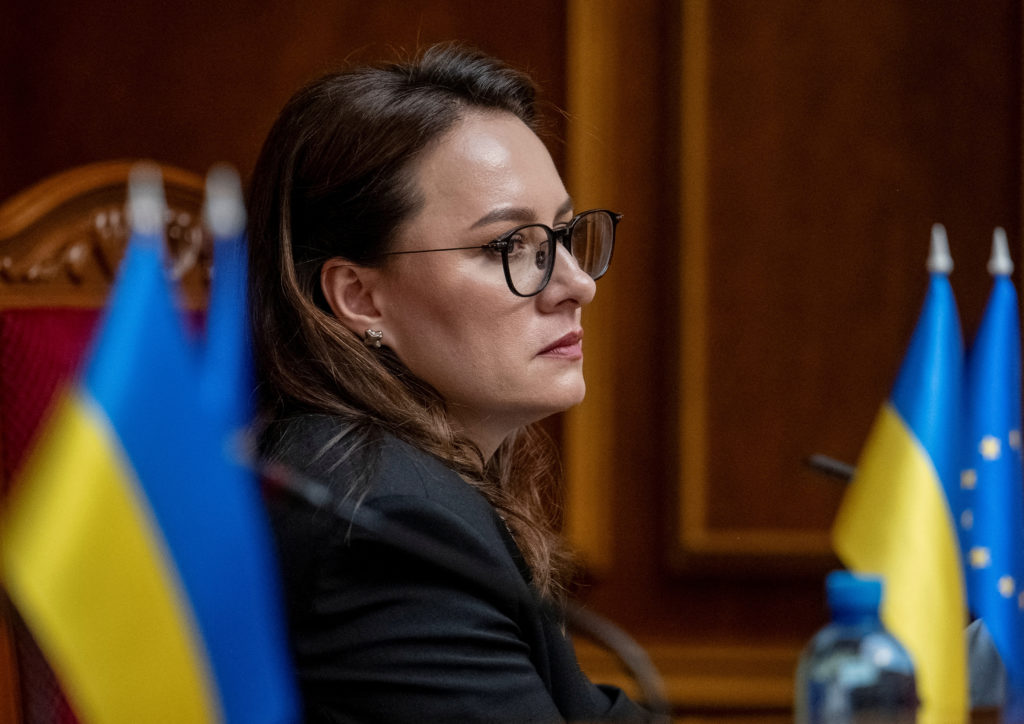
Ukrainian Prime Minister Resigns Amid Government Reshuffle

Ukrainian Prime Minister Resigns Amid Government Reshuffle
Photo: PBS NewsHour

Ukrainian Prime Minister Yulia Svyrydenko resigned on Sunday as President Volodymyr Zelenskyy announced changes to the government. Zelenskyy stated that he had offered Svyrydenko a new and important position. Additionally, the president indicated that there would be changes among the top ranks of Ukraine's law enforcement agencies. These developments come as part of a broader government reshuffle initiated by Zelenskyy.

Sourcespbs.orgnytimes.combbc.co.ukpbs.orgthehill.com

The takes

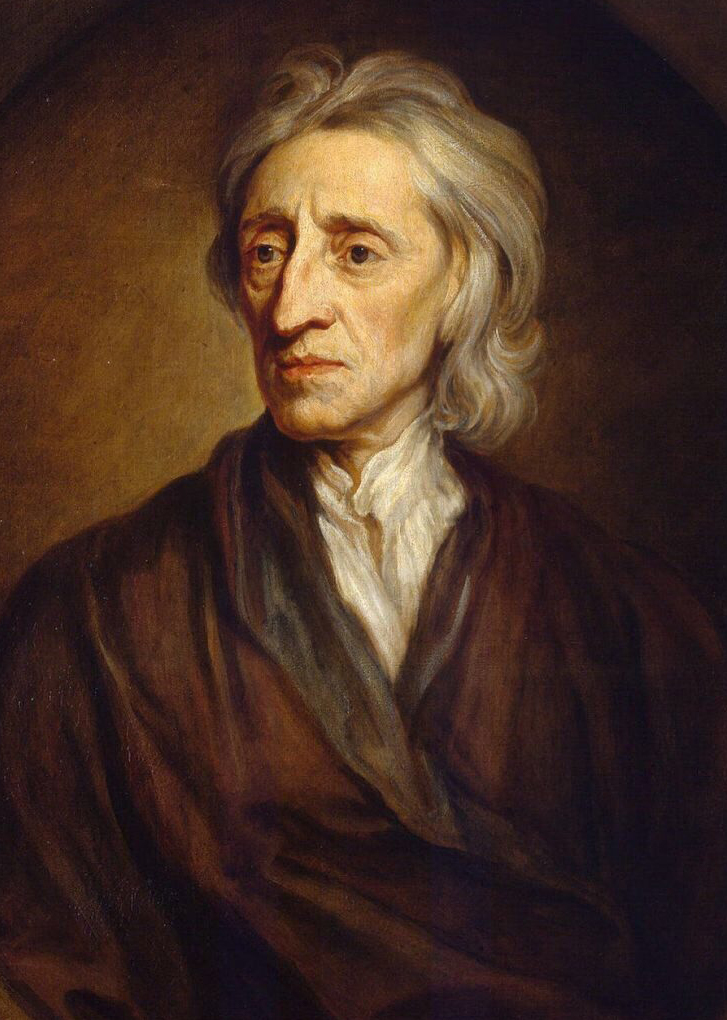
  • Portrait of Adam Smith

    Adam Smith

    1723–1790, Scotland (the Scottish Enlightenment: Kirkcaldy, Glasgow, Edinburgh)

    Wartime Shuffles and the Duties of a Government

    A change of prime minister can be either a statesman’s self-command or a faction’s vanity; the impartial spectator will judge it by its service to defence, justice, and the labouring poor.

    A prime minister resigns in Kyiv; the president announces a reshuffle; the war, we are told, begins at last to turn in the country’s favour. In quieter times such changes are occasion for gossip, not philosophy: one set of ambitious people gives place to another, and the world goes on much as before. But when a nation fights for its very independence, the displacement of a chief minister, and the promise of further changes in law enforcement, touch immediately upon the first duties of government. In war, every alteration at the summit may either steady the hand that bears the shield, or loosen the fingers that grasp it.

    Read the essay
  • Portrait of John Locke

    John Locke

    1632–1704, England (writing amid the Exclusion Crisis and the Glorious Revolution)

    War, Reshuffles, and the Narrow Path of Prerogative

    In Ukraine’s wartime change of ministers, I see neither tyranny nor heroism, but the dangerous, necessary edge of discretionary power held on trust.

    A prime minister resigns in Kyiv; the president announces a reshuffle; senior figures in law enforcement are to be replaced; and the departing minister is promised, we are told, a “new and important” post. Of the details I am not informed beyond these few lines, yet even such scant notice is enough to raise an old question that never grows stale: when a ruler moves the great officers of state in time of war, is this the sober exercise of power held on trust, or the first step toward arbitrary dominion disguised as vigor and reform?

    Read the essay
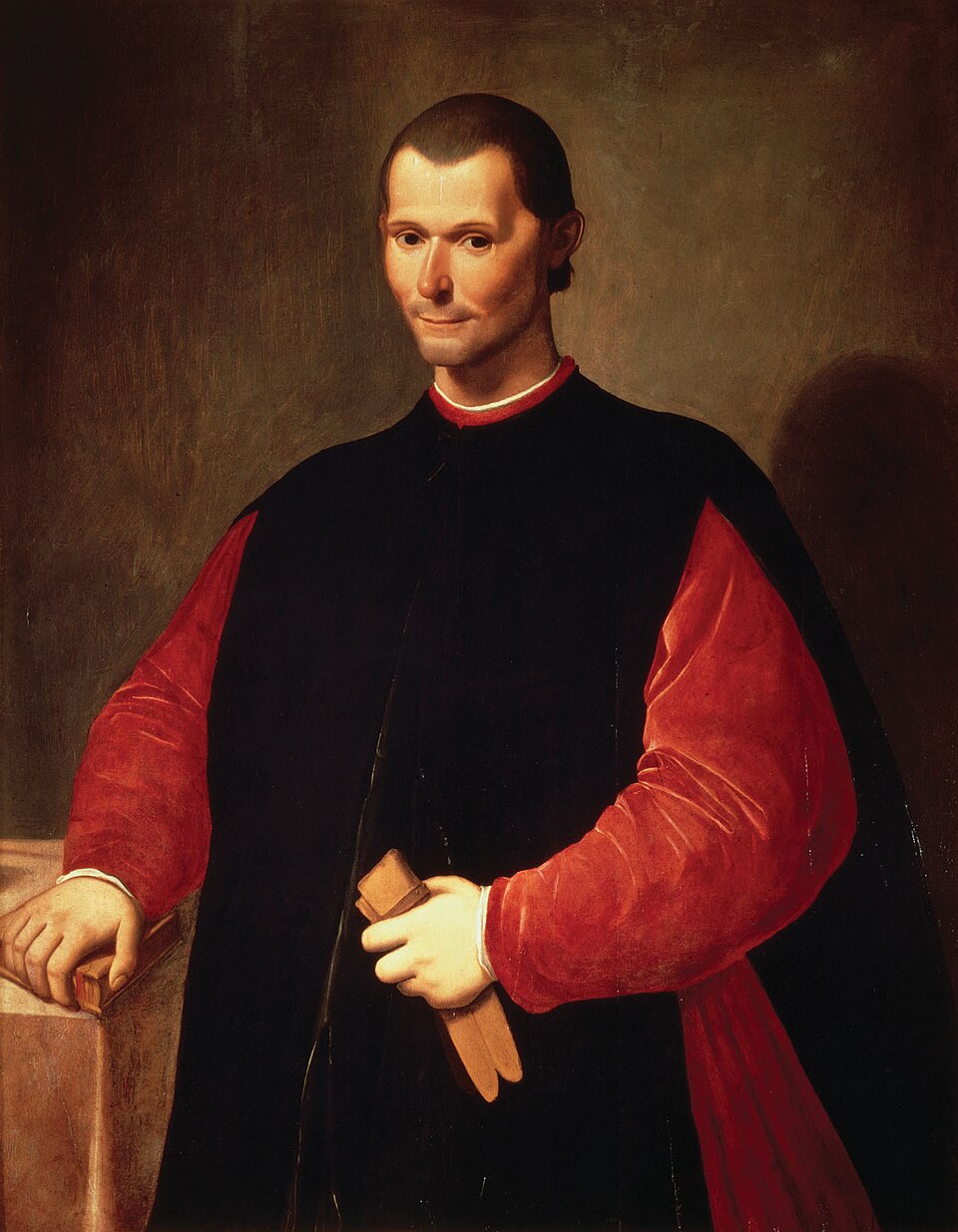
  • Portrait of Niccolò Machiavelli

    Niccolò Machiavelli

    1469–1527, Florence (republican secretary and diplomat, then exile, amid the Italian Wars)

    A Wartime Prince Changes Captains, Not Course

    In forcing the resignation of his prime minister while promising her a new command, Ukraine’s president shows the hard art of renewal without rupture that every embattled republic must learn or die.

    A prime minister does not step down in wartime by accident. When I read that Yulia Svyrydenko leaves the premiership just as Volodymyr Zelenskyy announces a broader reshuffle, I do not look for sermons about loyalty or betrayal. I ask a simpler question: what problem is he trying to solve? In The Prince, as translated by W. K. Marriott, I wrote that rulers who cling to how they began lose their states when the times change. Here the times are changing. Reports say the war turns more in Ukraine’s favor. In victory, the dangers of complacency and division are greater than in defeat. Men relax most on the edge of the cliff.

    Read the essay