Ukrainian Prime Minister Resigns Amid Government Reshuffle
A Wartime Prince Changes Captains, Not Course
In forcing the resignation of his prime minister while promising her a new command, Ukraine’s president shows the hard art of renewal without rupture that every embattled republic must learn or die.
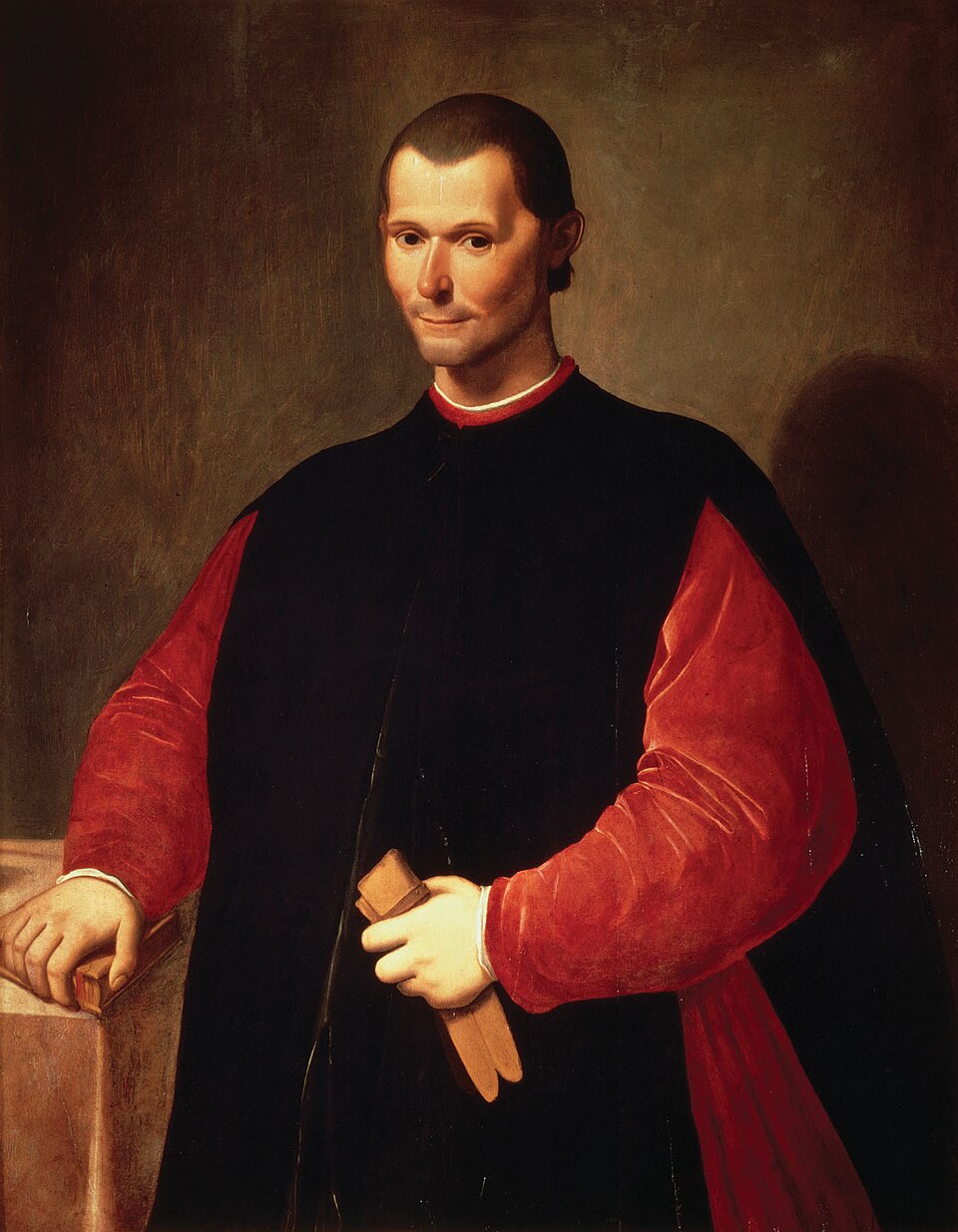
A prime minister does not step down in wartime by accident. When I read that Yulia Svyrydenko leaves the premiership just as Volodymyr Zelenskyy announces a broader reshuffle, I do not look for sermons about loyalty or betrayal. I ask a simpler question: what problem is he trying to solve? In The Prince, as translated by W. K. Marriott, I wrote that rulers who cling to how they began lose their states when the times change. Here the times are changing. Reports say the war turns more in Ukraine’s favor. In victory, the dangers of complacency and division are greater than in defeat. Men relax most on the edge of the cliff.
The effectual truth is that survival is this president’s first law. Your moralists may wish him to prize sentiment or seniority above all; necessity does not. A leader besieged from without must at the same time guard against stagnation within, because old arrangements are made for old circumstances, and every post in a government shelters vested interests that the war has either strengthened or made intolerable. Svyrydenko was made prime minister for one phase, after her success on an important mineral agreement; a different phase may require a different mix of talents and alliances. The wise prince does not confuse yesterday’s merit with today’s usefulness.
That he offers her “a new and important position” tells me two things at once. First, he is not ready to discard her arms: her contacts, her knowledge of economic dealings, the networks she has woven at home and abroad. Second, he understands reputation. To cast her aside publicly would create the appearance of fracture, invite factions to rally around a discarded favorite, and make every minister wonder if the next reshuffle will end in disgrace. By moving her, not executing her, he keeps her bound by gratitude and necessity while signaling to the people and to allies that this is a rotation of captains, not a mutiny on deck.
More telling still is his promise of changes “among the top ranks of Ukraine’s law enforcement agencies.” Here you see the other pillar of any reform: arms. In my time I warned that unarmed prophets come to grief. Today, the “arms” of a policy are not only soldiers but prosecutors, police, and the instruments that can strike those who resist new orders. When a ruler changes the political face but leaves hostile forces in control of coercion, he only paints the façade of the palace while enemies tunnel under the foundations. To re‑found his government for a new stage of the war, this president must ensure that those who command force obey the new line.
Some will say this smells of purging, that in a republic one should leave these matters to slow procedures and spare the high offices from the sight of blood. I answer with the Discourses on Livy, in Ninian Hill Thomson’s translation: all human things are in motion and cannot stand still. A state at war is either recovering or collapsing. To pretend that one can govern as in tranquil times, with gentle corrections and the middle course, is a pleasant way to perish. The question is not whether heads will move but whether they move under law and with an eye to preserving free institutions once the war ends. Harsh medicine is sometimes needed to keep the patient alive for surgery.
Notice also how the reshuffle is announced: openly, with a frame of continuity. There is no shamefaced leak, no attempt to deny that a major change is under way. Here appearances are used as a shield and a sword. Domestically, he shows command: the ruler acts, the ministers adjust. Abroad, he shows rational control: he is not dragged by scandals or panic, but presents the reshuffle as adaptation to success at the front. In politics, men judge largely by what they see and by the stories attached to events. By scripting this change as orderly, he harvests authority from what, mishandled, would have read as weakness.
In The Prince I compared fortune to a raging river that overwhelms those who have built no banks in fair weather. A war that turns in your favor is a flood of a different kind: victories, money, expectations, and hatreds all swell at once. If you do not straighten the channels early, they cut their own course and drown you later. This reshuffle, limited as our knowledge of it remains, looks like an attempt to raise new dykes before the waters of success become more dangerous than those of defeat. Whether it will hold depends, as always, on the firmness of institutions and the constancy of the people when the shouting stops.
From the works cited
- The Prince — Virtù versus fortuna — the raging-river figure: preparation in fair weather is the whole difference between the drowned and the dry.
- The Prince — Ask what the actor's survival incentives are before asking what morality requires: a leader's first imperative is to maintain the state, and you must expect them to do what maintenance demands.
- Discourses on Livy — All things of men are in motion and cannot stand still: every state is either rising or declining, and a policy premised on stability is already failing.