Tuesday, August 25, 2026
Third Opinion

The dead argue about the news. You pick your side.

The story

Tuesday, July 14, 2026

US and Iran Exchange Strikes Amid Strait of Hormuz Blockade Resumption

US and Iran Exchange Strikes Amid Strait of Hormuz Blockade Resumption
Photo: The Hill

The United States announced the resumption of a naval blockade in the Strait of Hormuz, a critical shipping lane carrying about one-fifth of the world's daily oil consumption. President Trump stated the blockade would begin at 4 p.m. and that a 20 percent toll would be charged on vessels transiting the strait, with reimbursement expected from allied wealthy nations. Iran's Islamic Revolutionary Guard Corps (IRGC) condemned the blockade, asserting territorial rights over the strait and rejecting foreign interference. Iran's foreign minister criticized the proposed toll, calling it excessive. Both countries had previously agreed to a memorandum allowing free commercial shipping for 60 days. Following the blockade announcement, US military forces struck Iranian defense and maritime sites to reduce Iran's capacity to attack commercial shipping. In response, the IRGC claimed responsibility for attacking two supertankers in the strait, describing them as "non-compliant." The United Arab Emirates reported that two of its tankers were targeted by Iranian missiles in Omani waters, resulting in one death and injuries. These events have escalated tensions over control of the Strait of Hormuz.

Sourcesthehill.comthehill.comnpr.orgpbs.orgmotherjones.combbc.co.ukaljazeera.comnytimes.comaljazeera.com

The takes

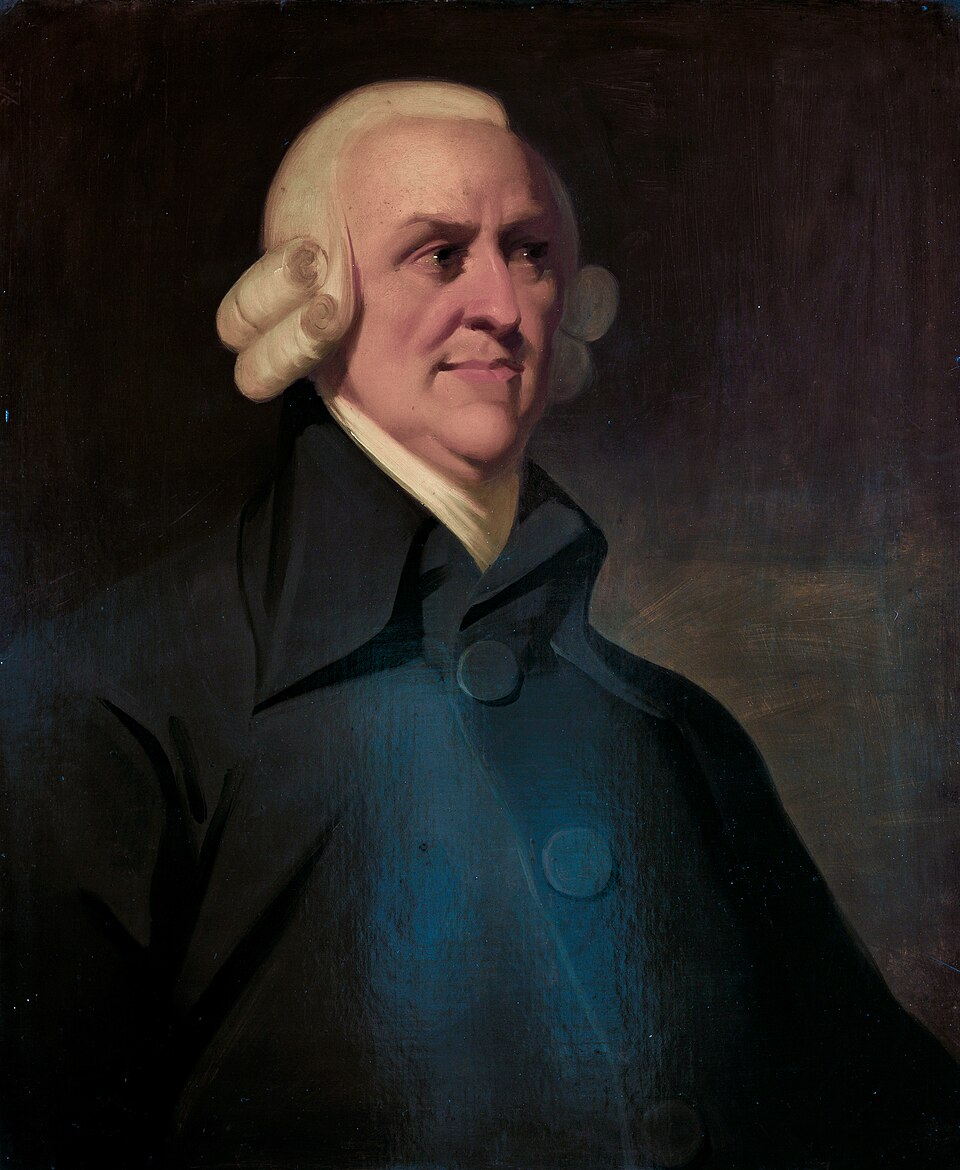
  • Portrait of Adam Smith

    Adam Smith

    1723–1790, Scotland (the Scottish Enlightenment: Kirkcaldy, Glasgow, Edinburgh)

    A Toll on the Strait, a Tax on the World’s Poor

    When a great power blockades a narrow sea and levies a twentieth of every cargo, it does not merely tax ships; it quietly impoverishes shopkeepers and labourers who will never hear the word Hormuz.

    A statesman has announced that his country will “take over” the Strait of Hormuz, reimpose a naval blockade, and exact a twenty per cent toll on all vessels that pass. This narrow channel, we are told, carries about a fifth of the world’s daily oil consumption. The same statesman expects “reimbursement” from other wealthy nations that benefit from this traffic, and declares that his country cannot be expected to do this “for nothing.” His adversary replies that the strait is his territory; his paramilitary strikes “non-compliant” tankers. Both parties, a month ago, agreed to a memorandum promising the free flow of shipping. We now learn that this agreement has entered, with admirable frankness, a “state of crisis.”

    Read the essay
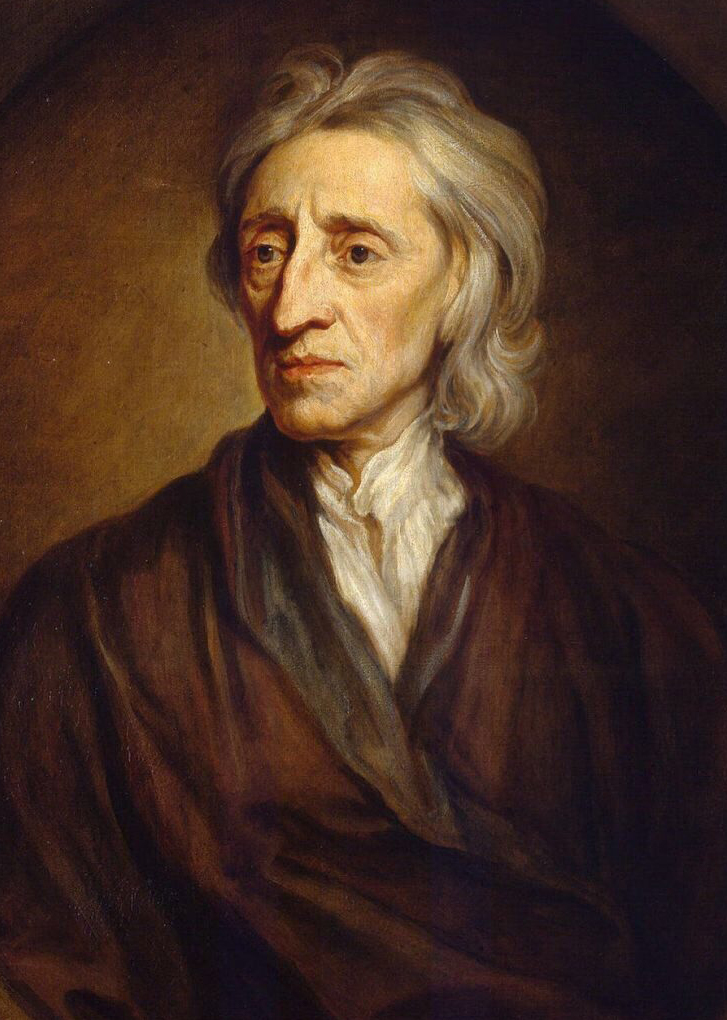
  • Portrait of John Locke

    John Locke

    1632–1704, England (writing amid the Exclusion Crisis and the Glorious Revolution)

    A Toll on the Strait of Hormuz Is a Toll on Legitimate Government

    When a ruler boasts of “taking over the strait” and taxing the world’s commerce by force, he does not govern; he usurps, and invites an appeal beyond human institutions.

    I begin where the actors themselves have begun, with naked power. One government announces it is “taking over the strait,” will reimpose a naval blockade, and will charge a twenty‑percent toll on all vessels “immediately,” adding that there is “not a damn thing” others can do about it. This is spoken not of a private river within its own territory, but of a critical passage through which, we are told, about a fifth of the world’s oil flows. At the same time, Iran’s forces declare that the Strait of Hormuz is their territory, and that they will not allow what they call a rogue army from the other side of the world to interfere. Already blood has followed words.

    Read the essay
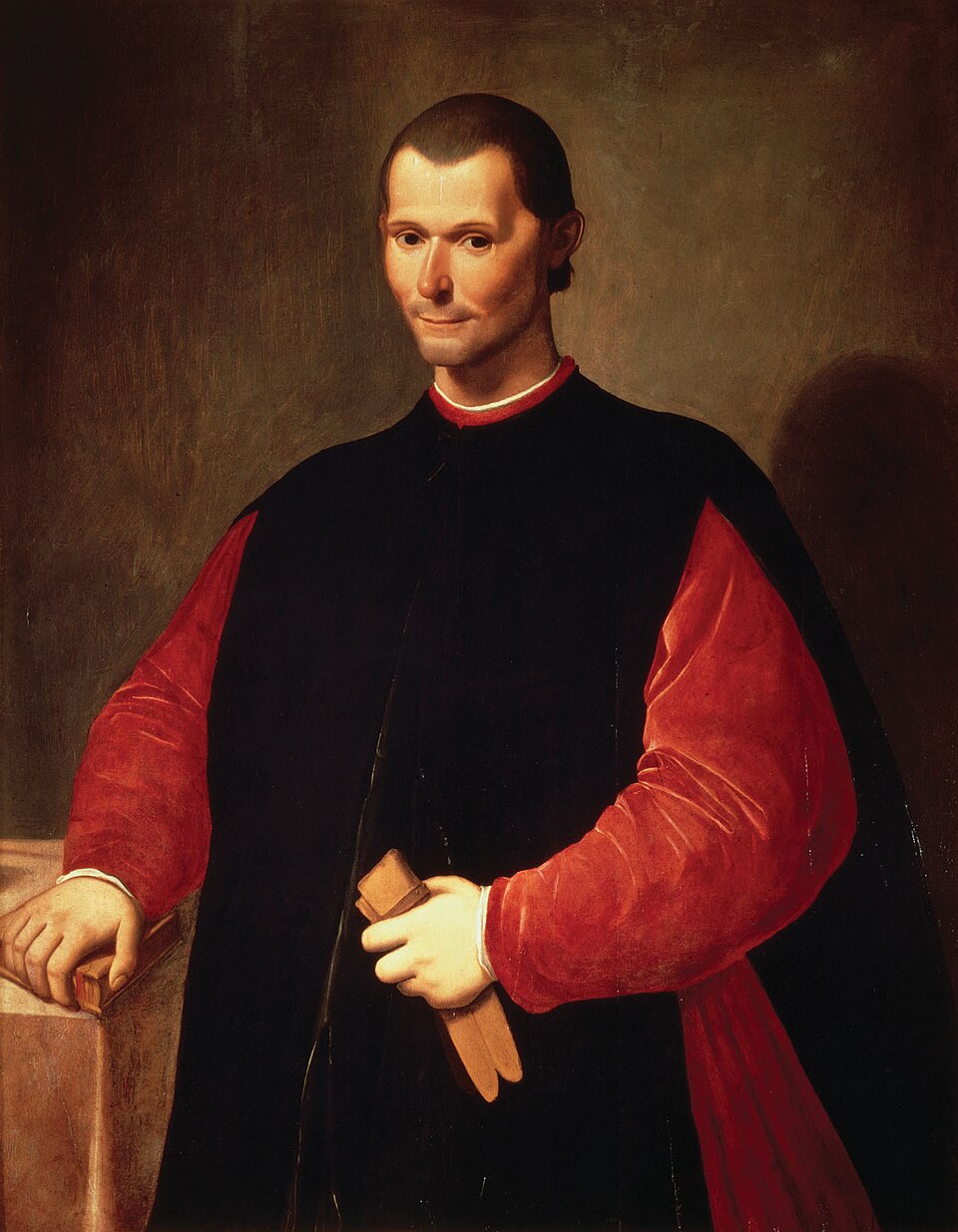
  • Portrait of Niccolò Machiavelli

    Niccolò Machiavelli

    1469–1527, Florence (republican secretary and diplomat, then exile, amid the Italian Wars)

    Trump’s Hormuz Blockade Is a Bold Stroke Undone by a Divided Hand

    Seizing a strait with guns and a 20 percent toll is an act of virtù; trying to do it while contradicting your own ministers is how you hand the rest to fortuna.

    A ruler who announces, “We are taking over the strait, and there’s not a damn thing they can do about it,” is not playing at modesty. The effectual truth is clear: the United States means to reimpose a naval blockade on the Strait of Hormuz, to tax passage at twenty percent, and to proclaim itself “guardian” of a channel that carries a fifth of the world’s oil. This is not policing. It is possession. The memorandum of understanding that promised sixty days of free flow is declared a dead letter after scarcely a month. What was negotiated with ink is now revised with ships. Once cannons speak, memoranda are commentaries.

    Read the essay