US and Iran Exchange Strikes Amid Strait of Hormuz Blockade Resumption
A Toll on the Strait of Hormuz Is a Toll on Legitimate Government
When a ruler boasts of “taking over the strait” and taxing the world’s commerce by force, he does not govern; he usurps, and invites an appeal beyond human institutions.
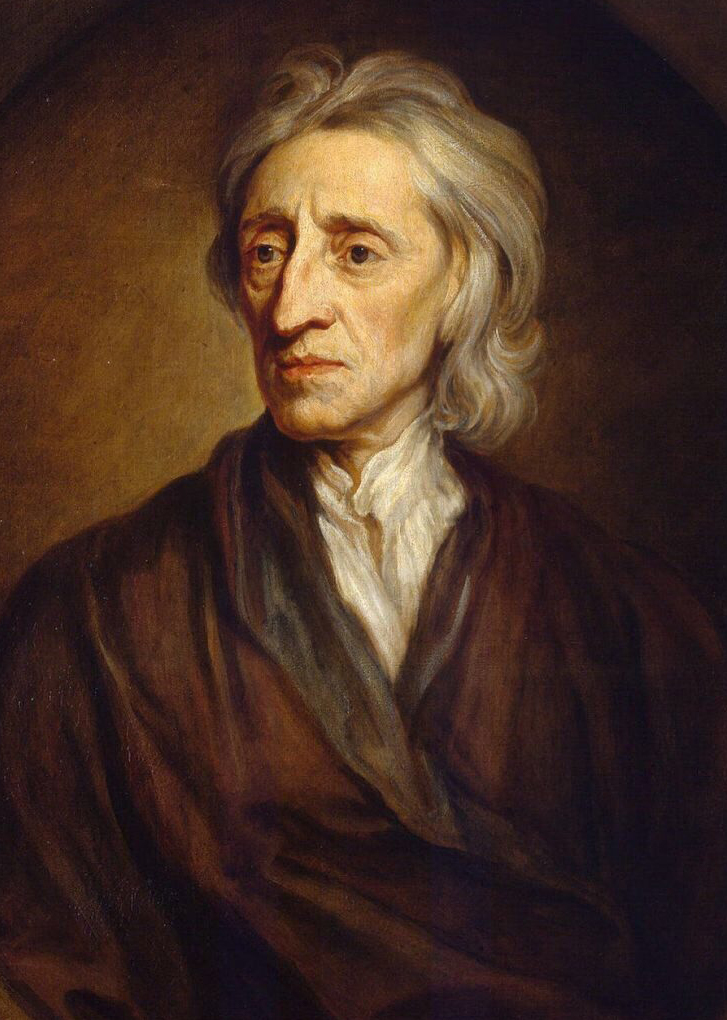
I begin where the actors themselves have begun, with naked power. One government announces it is “taking over the strait,” will reimpose a naval blockade, and will charge a twenty‑percent toll on all vessels “immediately,” adding that there is “not a damn thing” others can do about it. This is spoken not of a private river within its own territory, but of a critical passage through which, we are told, about a fifth of the world’s oil flows. At the same time, Iran’s forces declare that the Strait of Hormuz is their territory, and that they will not allow what they call a rogue army from the other side of the world to interfere. Already blood has followed words.
Here is the first matter that must be set right in the understanding. In civil society men do not leave the state of nature to fall under the arbitrary dominion of whoever can plant the most guns upon the water. As I argued in the Second Treatise of Government, they give up their natural liberty only that political power may be exercised “for the public good,” and in a manner that any reasonable person could have consented to, were he present at the first institution. A claim to rule others’ trade routes, to levy tribute upon all nations’ shipping, and to close or open a sea‑gate at pleasure, is therefore not self‑justifying. It stands under a burden of proof. It must show some common, recognisable title beyond strength alone, or it is mere piracy with flags.
The known facts do not provide such a title. The United States and Iran had agreed, we are told, to a memorandum allowing the free flow of commercial shipping in the strait for sixty days. The United States promised to lift its blockade within thirty. Now that same government has declared this understanding a dead letter, “mutilated” its provisions, and announced a new blockade and a twenty‑percent tax on passage. Its own ministers had earlier said that no country has a right to charge for use of the waterway; now the chief magistrate says his country cannot be expected to do this “for nothing” and will be “reimbursed” by wealthy allies. This is not the execution of a trust; it is the revocation of it for convenience. To break one’s own promise and then profit from the breach is not government, but usurpation.
Nor do I find better title on the other side. Iran’s Revolutionary Guard asserts that the strait is its territory, strikes what it calls “non‑compliant” supertankers, and hits the vessels of a third country, killing and wounding its sailors. Its foreign minister mocks the twenty‑percent toll as too high, and hints that Iran, if it charges, “will be fair,” as if the only question before mankind were how much tribute distant merchants should pay to pass this neck of water. Both parties, then, speak as if this channel were theirs to close, to tax, to fight over, and to stain with the blood of those whose only business is peaceful carriage of goods. Neither speaks as if the men on those ships are, like themselves, the workmanship of one Maker, sent into the world about His business, which arbitrary power over their lives and estates has no authority to interrupt.
By the law of nature, which is but reason to any who will consult it, no one ought to harm another in his life, liberty, or possessions. In my own words then, paraphrased, those who leave the state of nature set up a known, standing rule, and an impartial judge to decide controversies. But here, what rule is offered to the seaman or merchant whose livelihood depends on these waters? He is told, on one day, that there shall be safe passage for sixty days; on another, that a blockade resumes at four in the afternoon; on yet another, that his ship is “non‑compliant” and so a fair object for missiles. The same powers that claim the right to tax or target him are also judge in their own case, and hold in their hands the force that will execute their sentence. This is precisely that arbitrary dominion which is worse than the state of nature it pretends to cure.
Some will say that the blockade and toll serve the security of commercial shipping, that military strikes “degrade” the other side’s capacity to attack, and that wealthy allies will bear the bill. But to allege a good end is not to prove a lawful means. A ruler may not, under colour of protecting trade, seize a waterway that is not his, tear up his own engagements, and extract a fifth part of every man’s cargo. He may not, under colour of defending sovereignty, strike unarmed tankers and call them “non‑compliant” because they sail without his leave. Prerogative is indeed a real power – the executive must sometimes act where the law is silent – yet it is tolerable only while plainly exercised for the public good and while plainly revocable by those who entrusted it. When it is turned to private gain or national vanity, it ceases to be prerogative and becomes robbery.
What follows for those subjected to these acts? In the Second Treatise I argued that when governors invade the property of the people and set up a power without authority, they thereby put themselves into a state of war with those they oppress; the people, in resisting, are not rebels but defenders. The injured nations whose ships are taxed or struck may therefore justly resist such usurpations, though reason and charity oblige them first to seek redress by negotiation and impartial judgment. As for the peoples under the governments now contending for the strait, they must watch whether this be a single excess, soon corrected, or part of a long train of abuses tending one way – towards dominion over commerce and contempt of consent. Only in the latter case does the dissolution of government, and the right to frame anew, come into view. An appeal to heaven is a grave step, but when power glories that there is “not a damn thing” the world can do about its exactions, men may be nearer to it than their rulers suppose.
From the works cited
- Second Treatise of Government — Political power defined narrowly as the right to make laws, with penalties, only for the public good — anything beyond that definition must justify itself or stand condemned.
- Second Treatise of Government — The state of nature as analytic baseline: perfect freedom and equality under the law of nature, so that government must be shown to improve on that baseline for everyone who leaves it.
- Second Treatise of Government — The dissolution of government and the right of resistance: when legislators invade property or set up arbitrary power, they rebel against the people, not the people against them.