Tuesday, August 25, 2026
Third Opinion

The dead argue about the news. You pick your side.

The story

Friday, July 17, 2026

Justice Department and FDA Actions on Abortion Pills Discussed Amid Legal Uncertainty

Justice Department and FDA Actions on Abortion Pills Discussed Amid Legal Uncertainty
Photo: Mother Jones

During a hearing, Todd Blanche made statements regarding the Department of Health and Human Services (HHS) and the Food and Drug Administration's (FDA) recent evaluations of abortion pills, claiming these agencies are conducting new safety studies for the first time in a decade. However, over 100 studies have previously demonstrated the safety and effectiveness of mifepristone for early pregnancy termination. A December 2022 opinion from the Justice Department's Office of Legal Counsel indicated that certain actions by the U.S. attorney are not illegal. Legal experts, including Georgetown Law professor and former federal prosecutor Paul Butler, have noted that the legal status of these matters is unsettled and reflects broader changes within the Justice Department and its personnel.

Sourcesmotherjones.commotherjones.comfoxnews.comthehill.commotherjones.com

The takes

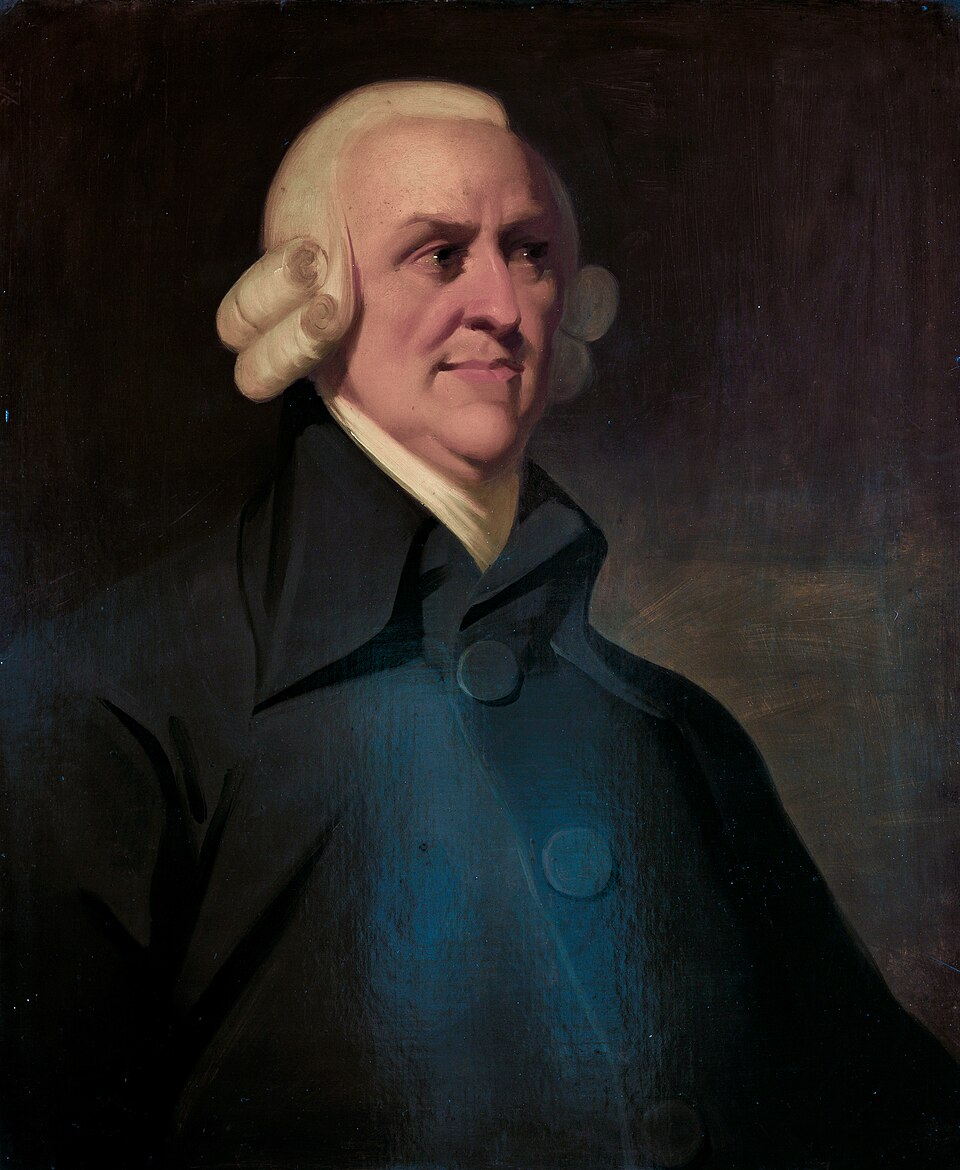
  • Portrait of Adam Smith

    Adam Smith

    1723–1790, Scotland (the Scottish Enlightenment: Kirkcaldy, Glasgow, Edinburgh)

    When Justice Becomes a Patronage Office

    The firing of Seattle’s top prosecutor, amid a wider partisan remaking of the Justice Department, treats the administration of justice as spoil of victory rather than sovereign duty—and the country will pay in ways its authors prefer not to count.

    A federal prosecutor in Seattle has been dismissed, though he was not a creature of the executive but had been selected by a panel of seventeen judges. The legality of such a removal, I am told, is contested even among the government’s own lawyers. At the same time, observers within that system describe “a larger sea change” in the Justice Department, in which those appointed to high office are chosen for their explicit partisanship and their willingness to involve the president in the department’s daily operations. Here, in a single episode, one sees both a disputed power and a very clear purpose: to bend the machinery of criminal justice closer to the hand of one political interest.

    Read the essay
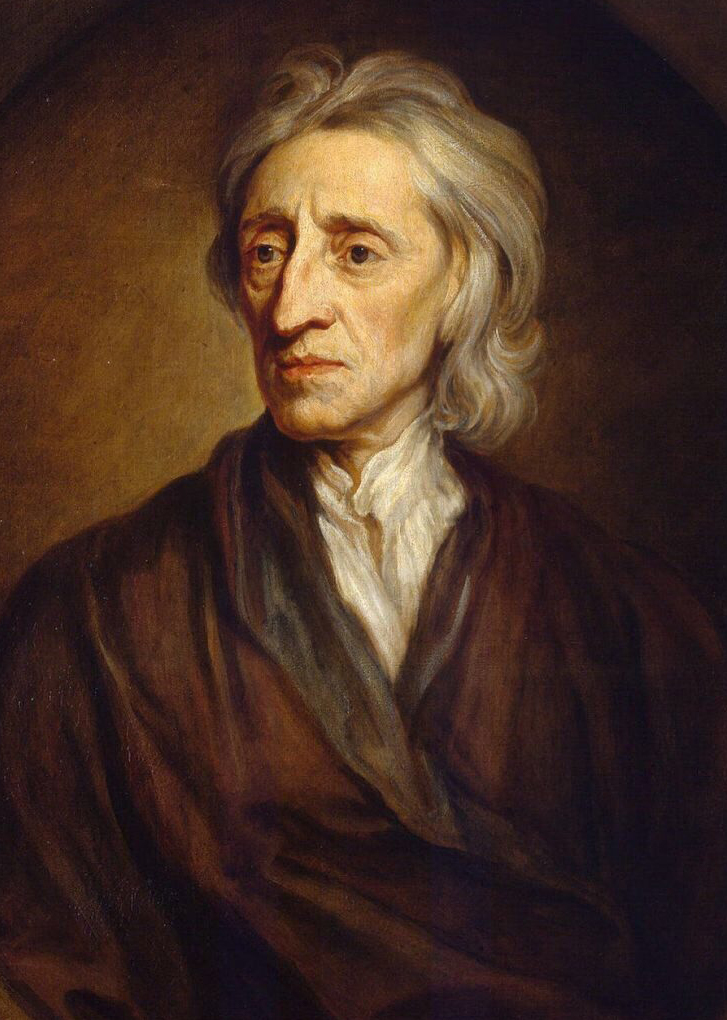
  • Portrait of John Locke

    John Locke

    1632–1704, England (writing amid the Exclusion Crisis and the Glorious Revolution)

    A President Is Not the Nation’s Prosecutor-in-Chief

    When the executive sacks a prosecutor on contested authority and his allies trade in misinformation, power slips its lawful trust and edges toward usurpation.

    The dismissal of the chief federal prosecutor in Seattle, appointed by a panel of seventeen judges yet removed at the president’s pleasure, may look to some like a routine change of officers. I cannot see it so. Where the very power to remove is, by learned testimony, “not settled law,” and where that power is pressed chiefly to align prosecutions with an administration’s political temper, we are no longer speaking of the mere choice of servants, but of the bounds of authority itself. In the Second Treatise I defined political power as a right to make and execute laws only for the public good. Whatever cannot be squared with that definition is not government, but force.

    Read the essay