Tuesday, August 25, 2026
Third Opinion

The dead argue about the news. You pick your side.

The story

Friday, July 17, 2026

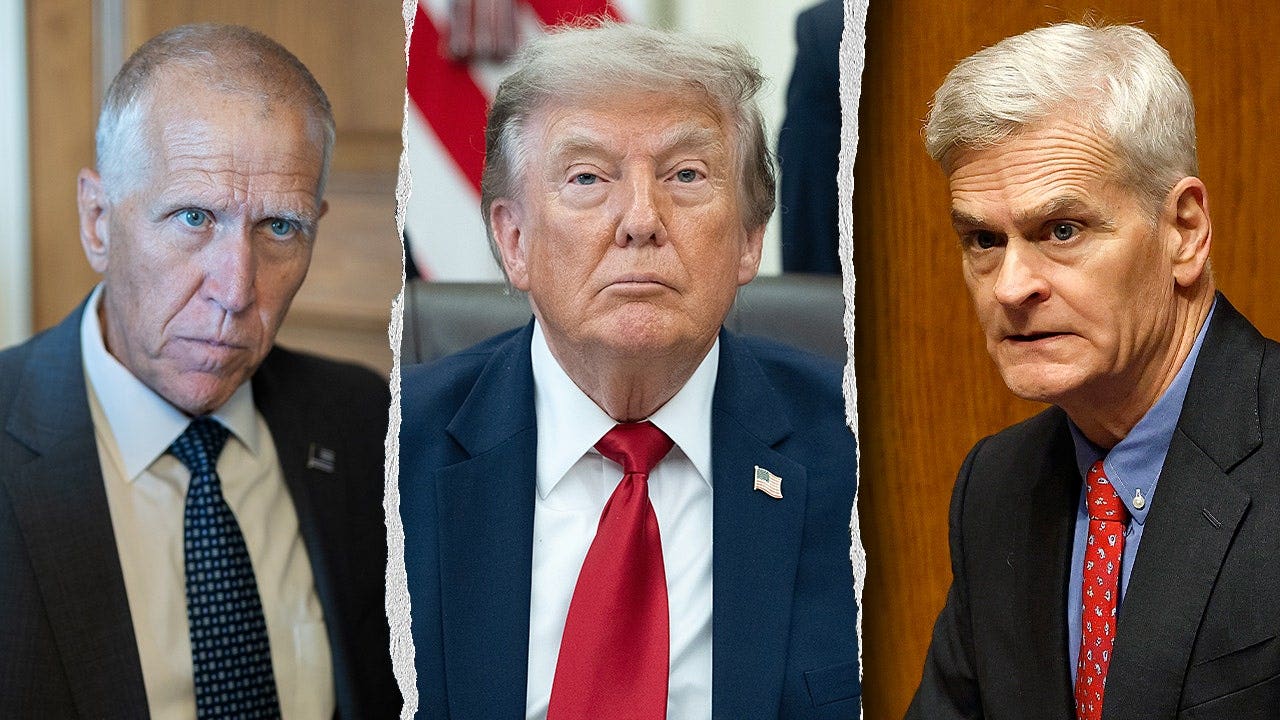
Senate Republicans Express Doubts Over House GOP $95 Billion Budget Proposal

Senate Republicans Express Doubts Over House GOP $95 Billion Budget Proposal
Photo: Fox News

House Republican leadership has proposed a $95 billion budget reconciliation package that includes $73 billion for defense and intelligence funding related to the Iran conflict and $10 billion for election reforms. The White House has expressed support for this framework. However, Senate Republicans have voiced strong opposition, with Senate Majority Leader John Thune indicating skepticism about the proposal's viability in the Senate. Thune noted concerns about potential consequences and warned that Democrats may use amendments to divide Republicans, citing possible efforts to restore cuts to the Supplemental Nutrition Assistance Program. Some GOP members question whether the allocated $60 billion for the Pentagon within the House budget framework is sufficient and worth the political risks. The proposal faces challenges amid broader Republican concerns about election outcomes and party unity.

Sourcesthehill.comfoxnews.comthehill.commotherjones.com

The takes

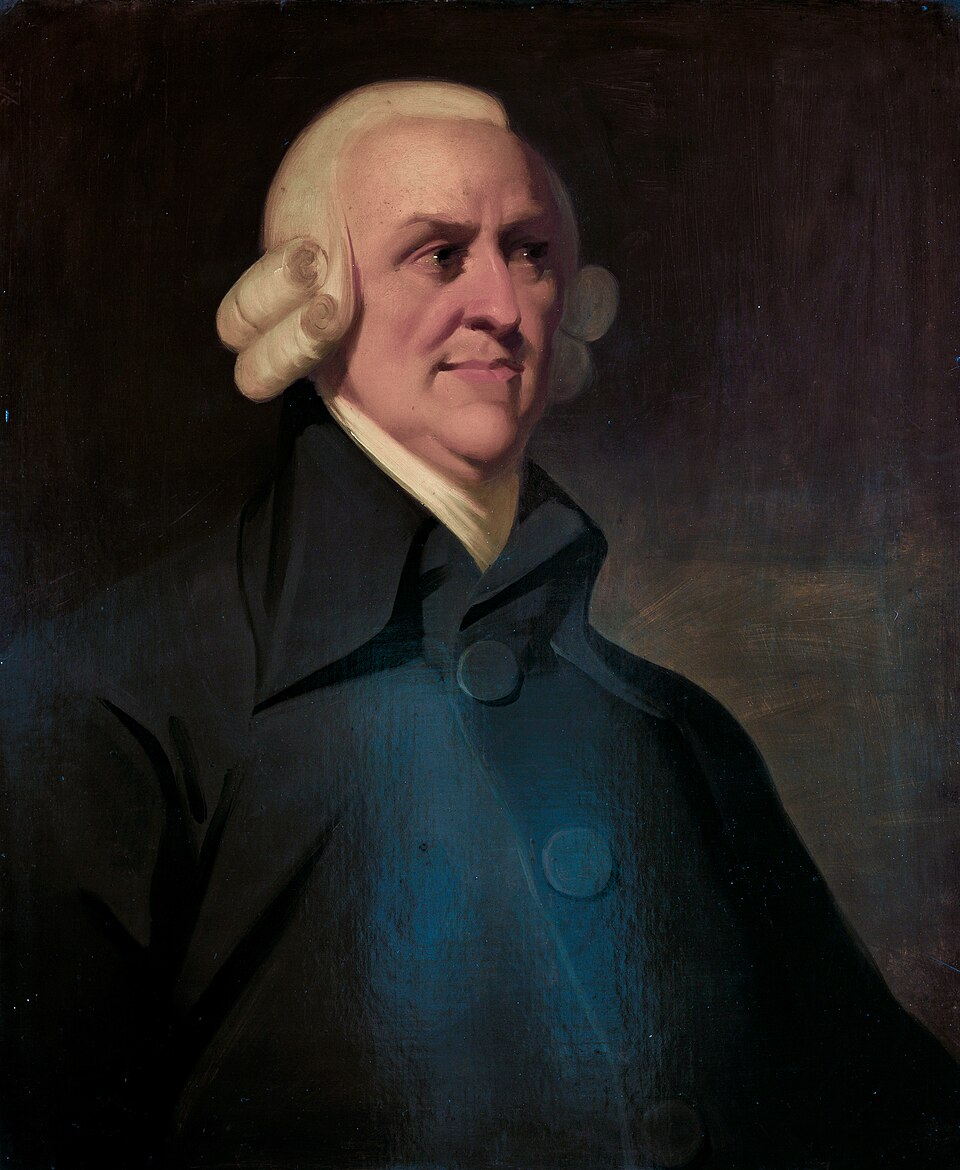
  • Portrait of Adam Smith

    Adam Smith

    1723–1790, Scotland (the Scottish Enlightenment: Kirkcaldy, Glasgow, Edinburgh)

    A $95 Billion Lesson in Who Pays the Unseen Bill

    When war-funding and election rules travel in the same “megabill,” the visible gains to factions drown out the quiet losses to everyone else — especially the labouring poor.

    The spectacle is vivid enough. Leaders in one chamber of your legislature propose a $95 billion reconciliation bill, bundling $73 billion to support a war with Iran and $10 billion for altering election rules, while colleagues in the other chamber mutter that this is “risky” and warn of political ruin if voting is not tightened nationwide. The White House, for its part, sends a friendly memorandum of support. We are told of defence hawks, fiscal hawks, poison-pill amendments, and an approaching election, but of something more important we hear almost nothing: who, in the end, is to pay, and by what alteration of his daily bread, his rent, his employment, his hope.

    Read the essay

  • Portrait of John Locke

    John Locke

    1632–1704, England (writing amid the Exclusion Crisis and the Glorious Revolution)

    War, Elections, and a Megabill: When Legislators Become Judges in Their Own Case

    A $95 billion reconciliation plan that binds war financing to voting rules tests whether power in America is still held on trust—or is slipping toward usurpation under partisan names.

    A quarrel inside a governing faction can tell more about the state of a commonwealth than a clash with its open enemies. Here I see a proposal in your House to pass a $95 billion reconciliation package, chiefly $73 billion to help pay for war with Iran and $10 billion for changes in election law, driven forward by one part of the legislature and met with a “buzzsaw” in the other. Senate leaders call the plan “risky,” ask whether “the juice is worth the squeeze,” warn of poison-pill amendments, and judge that it has little chance of passing. The measure is ambitious; the hesitation, more interesting still.

    Read the essay
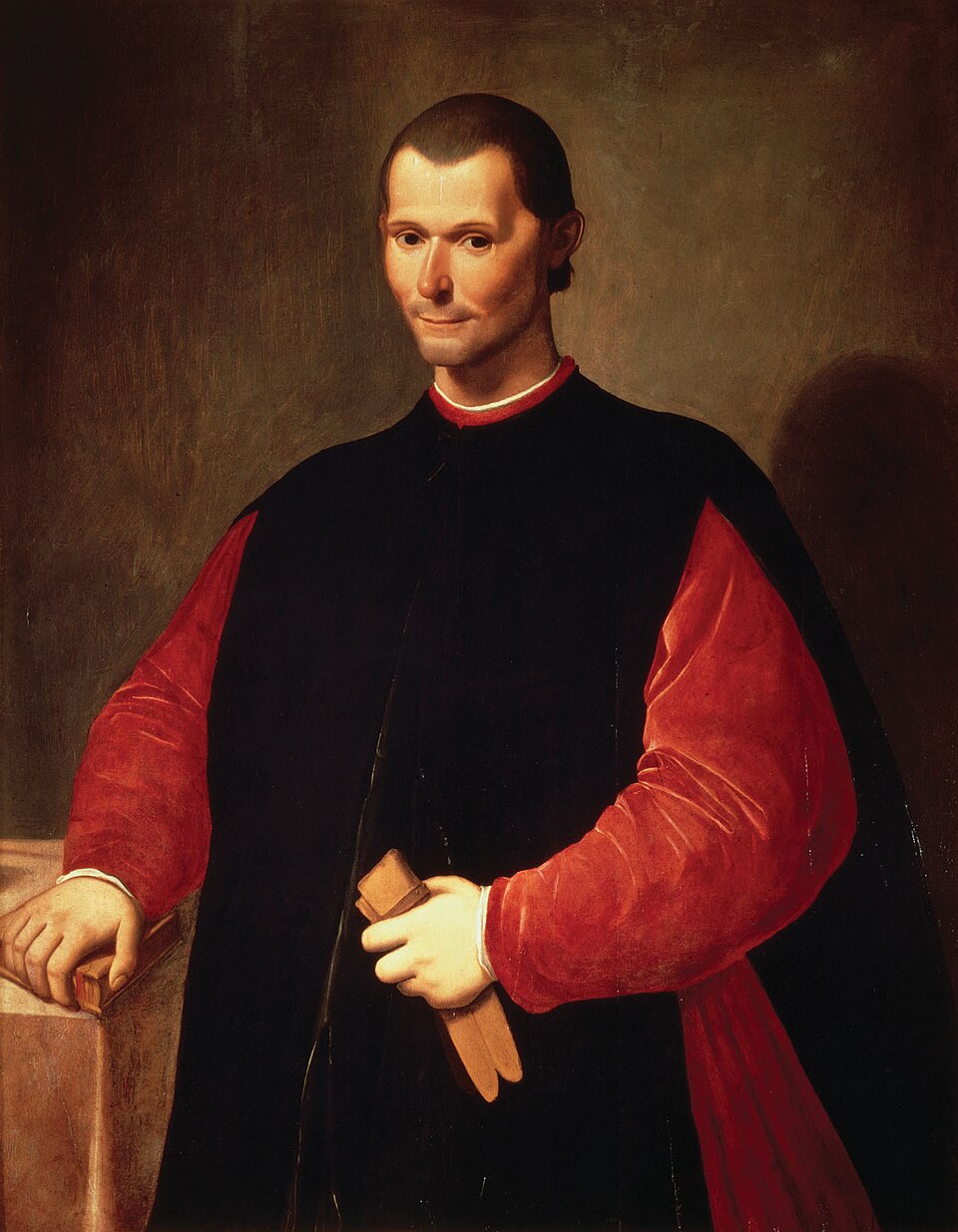
  • Portrait of Niccolò Machiavelli

    Niccolò Machiavelli

    1469–1527, Florence (republican secretary and diplomat, then exile, amid the Italian Wars)

    The GOP’s Megabill Mutiny Shows a Party That Wants Power Without Paying for It

    When a faction tries to fight a war, rewrite election rules, and soothe its budget priests in one stroke, it chooses the middle course I most despise — and invites fortune to finish the job.

    The scene is simple: one faction in power wants a $95 billion reconciliation bill that does three things at once. It sends $73 billion to an Iran war, stuffs in $10 billion of election reforms, and pretends to square the account with fiscal conscience. In the House, they speak as if this can be done by party-line force. Across the building, the Senate leader hears these assurances and calls them “news to me.” Here is the effectual truth: you have defense hawks who say the war purse is too small, fiscal hawks who fear the deficit, and political hawks who fear election defeat if voting rules are not tightened. Each appetite is rational. Together they make paralysis.

    Read the essay