Senate Republicans Express Doubts Over House GOP $95 Billion Budget Proposal
The GOP’s Megabill Mutiny Shows a Party That Wants Power Without Paying for It
When a faction tries to fight a war, rewrite election rules, and soothe its budget priests in one stroke, it chooses the middle course I most despise — and invites fortune to finish the job.
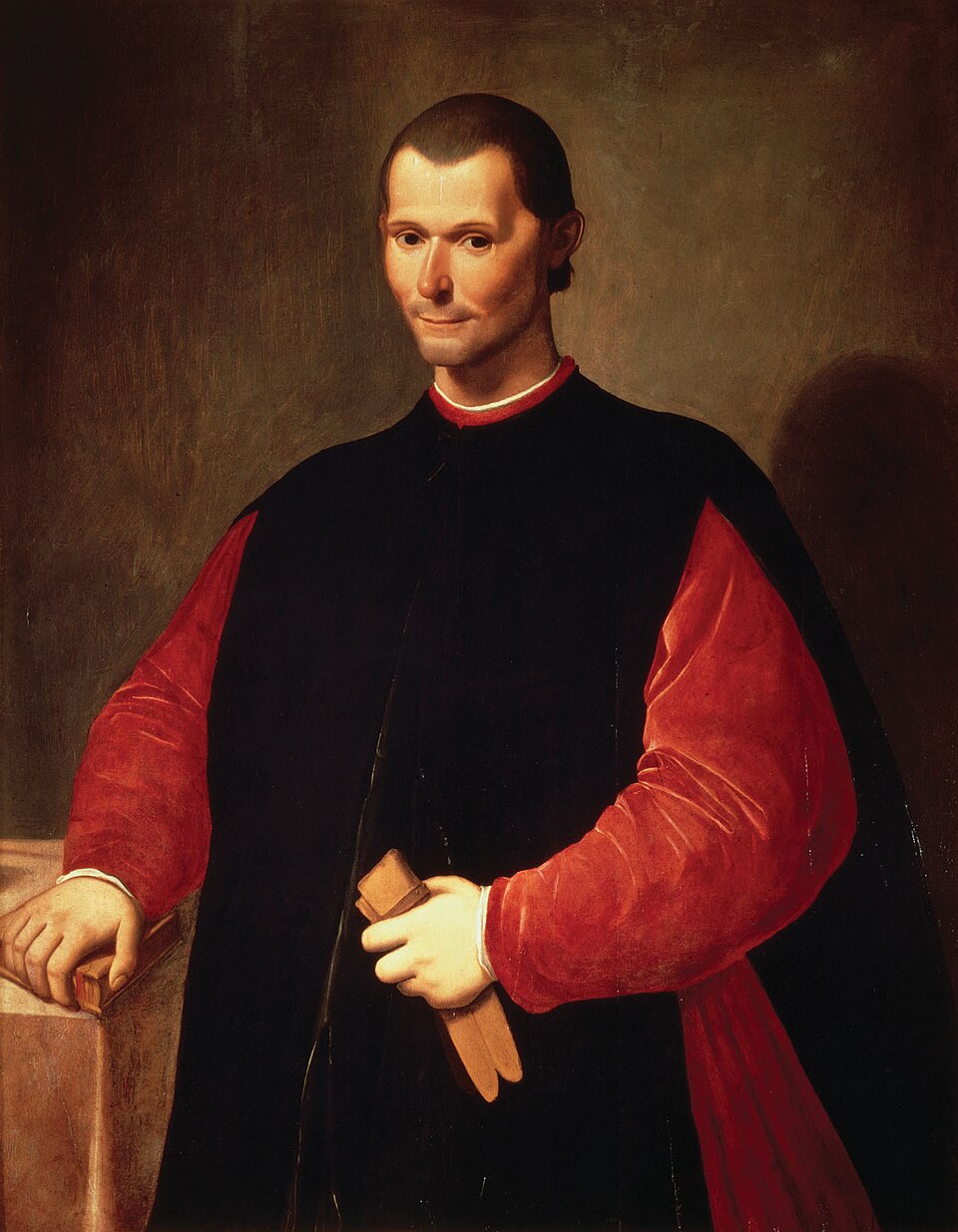
The scene is simple: one faction in power wants a $95 billion reconciliation bill that does three things at once. It sends $73 billion to an Iran war, stuffs in $10 billion of election reforms, and pretends to square the account with fiscal conscience. In the House, they speak as if this can be done by party-line force. Across the building, the Senate leader hears these assurances and calls them “news to me.” Here is the effectual truth: you have defense hawks who say the war purse is too small, fiscal hawks who fear the deficit, and political hawks who fear election defeat if voting rules are not tightened. Each appetite is rational. Together they make paralysis.
When I wrote in the *Discourses on Livy* that founders must assume men are bad, I meant precisely this sort of moment. Give ambitious men a free field, and they will not sacrifice their priority for the common plan unless fear or law compels it. In Rome, the struggle between senate and people produced liberty because there were dykes and barriers — the tribunes, the veto, the assemblies — that gave form to tumults. Here the dykes are weak. House leaders promise a great partisan engine; the Senate majority calls the very procedure “risky” and warns of “poison pill” amendments about food aid that could split them in public view. Conflict that should be canalized into institutions spills into open faction.
Every reform, I wrote in *The Prince*, needs arms of its own, not mercenaries or auxiliaries. I meant soldiers then, but today the arms are votes in both chambers, disciplined procedure, and a coalition willing to share risk. This package has none of that. The White House sends a memo of support — this is an auxiliary, not an arm. Senate Republicans say openly the bill has “little chance” in their chamber. One retiring senator threatens to slow other business. Another boasts of voting against an earlier enforcement bill because it lacked opposition buy-in. If your own captains announce they will not march, you do not have an army, you have a campfire story.
The timing makes the defect worse. They threaten that without national tightening of voting rules they face a “wipeout” in November, yet the Senate leader calls the idea of bolting election rules onto a budget a “charade” and “distraction.” One side says: without this, we die. The other says: if you force this, we die. Between them they choose the middle course, which I have always called the most dangerous. Either you truly think the war and the electoral rules are matters of necessity; then you accept the hard votes and the poison amendments and you pay the political price in full. Or you think the risk is too great; then you drop the play. To split the difference is to incur all the costs and secure none of the benefits.
The war funding exposes another weakness of virtù. The president escalates military activities against Iran yet sends his allies to Congress with a package that key senators call underfunded for defense and fiscally reckless. In *The Prince*, in W. K. Marriott’s translation, I compared fortune to a flooding river that destroys those who built no dykes in fair weather. Here the river is both war abroad and electoral danger at home. The dyke would be a coherent strategy: either a broad bipartisan war coalition that carries the money and neutralizes poison amendments, or a lean partisan bill with unquestioned internal discipline. Instead they attempt both and achieve neither, relying on hope that the flood will arrive politely.
There is a republican lesson hiding inside this clumsiness. In the *Discourses*, as Ninian Hill Thomson translated, I argued that the people, under good laws, are wiser and more constant than princes. These leaders plainly fear the people’s verdict; they speak of “tough votes” as if the voter were an executioner rather than a judge. But the fault is not in the people. It is in corrupted orders that make every decision a test of party loyalty rather than a deliberation on substance. The talk of an “Election Day wipeout” if voting rules are not changed is confession: instead of persuading the many, they would rather alter the terms on which the many choose.
What I see is not a moral drama but a diagnosis of decline. A leadership trying to fight a foreign war, refound domestic election rules, and satisfy contrary fiscal demands, all in the shadow of an approaching vote, is already late in the game. In such times, men cling to the tactics that first raised them — here, to partisan reconciliation, maximal leverage, and permanent campaigning — even when these tools no longer fit the occasion. The party is not yet ruined; fortune always leaves some part of the field open. But unless they recover the hard art of choosing — clear priorities, real arms, and institutional channels for their tumults — they will discover that what they feared as a wipeout was only the beginning of their fall.
From the works cited
- The Prince — Virtù versus fortuna — the raging-river figure: preparation in fair weather is the whole difference between the drowned and the dry.
- Discourses on Livy — The tumults between Senate and plebs, channeled through institutions like the tribunate, were the cause of Roman liberty — conflict as constitutional fuel, not constitutional failure.
- The Prince — Arms of one's own versus mercenaries and auxiliaries: power borrowed is power owed, and it will be collected at the worst moment.