Tuesday, July 28, 2026
Third Opinion

The dead argue about the news. You pick your side.

The story

Tuesday, July 21, 2026

Trump Announces 50% Tariffs on Various Canadian Imports

Trump Announces 50% Tariffs on Various Canadian Imports
Photo: NPR News

On Monday, U.S. President Donald Trump announced plans to impose 50% tariffs on a wide range of Canadian goods, including hockey equipment and alcoholic beverages. These tariffs will be implemented 30 days after signing, under Section 338 of the Tariff Act of 1930, which allows tariffs on imports from countries that discriminate against the U.S. The White House stated that the tariffs apply regardless of the existing USMCA trade agreement. Canadian Prime Minister Mark Carney responded by emphasizing Canada's commitment to free and fair trade and its readiness to negotiate with the U.S. government. Carney also described the U.S. tariffs as a violation of the USMCA. The White House noted that most Canadian provinces had previously restricted American alcoholic beverage sales in response to earlier U.S. tariffs. Officials clarified that the new tariffs are unrelated to recent wildfires and associated smoke management.

Sourcesreason.comthehill.combbc.co.uknpr.orgpbs.orgnytimes.com

The takes

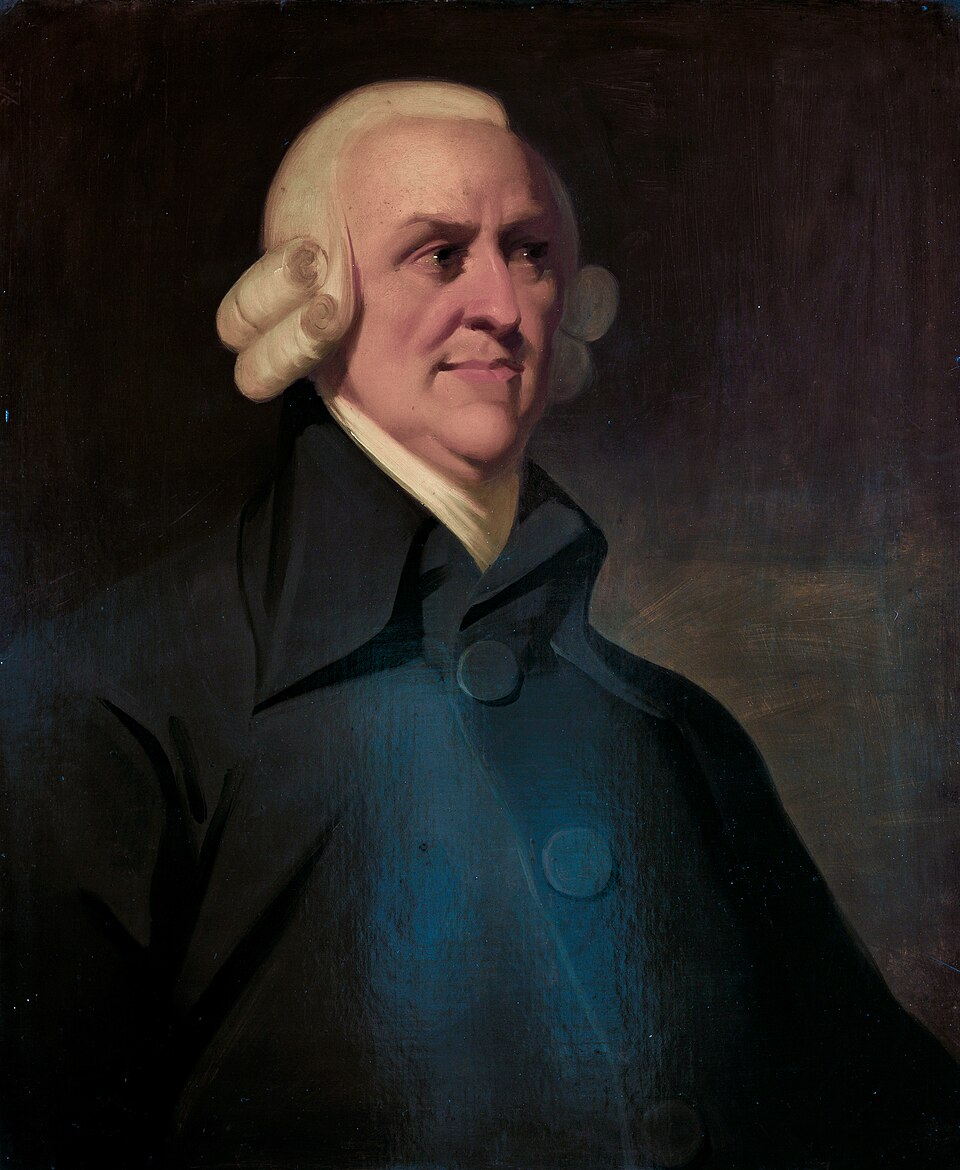
  • Portrait of Adam Smith

    Adam Smith

    1723–1790, Scotland (the Scottish Enlightenment: Kirkcaldy, Glasgow, Edinburgh)

    A Fifty-Percent Tariff and the Old Art of Robbing Peter Quietly

    A bruising tariff on Canadian goods parades as patriotism, but its true triumph is to tax the many for the comfort of the few while calling the injury a victory.

    When a government announces a fifty‑percent duty on a wide range of imports from its nearest neighbour, it does not merely wave a flag; it alters a price. Hockey equipment and bottles of drink may appear trivial matters of fashion or conviviality, yet to raise their price by half is to command that resources, on both sides of the border, be withdrawn from the employments where they are most valued and driven into those where they are merely tolerated. In such measures the theatre is all noise and banners, but the substance is silent arithmetic: more dear goods, more wasteful industry, and a smaller real reward for the ordinary workman’s toil.

    Read the essay
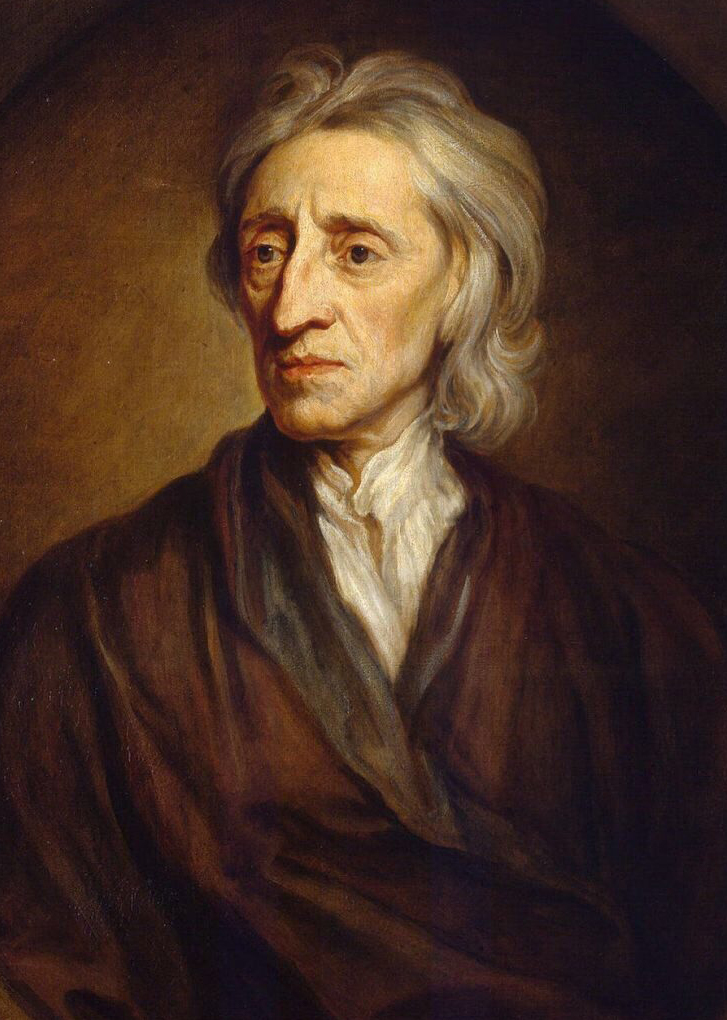
  • Portrait of John Locke

    John Locke

    1632–1704, England (writing amid the Exclusion Crisis and the Glorious Revolution)

    These Tariffs Are Not Trade Policy but a Breach of Trust

    When a ruler reaches back to an obscure law to punish a neighbour and override a solemn agreement, he does not regulate commerce; he makes himself judge in his own case, and that is usurpation, not government.

    The announcement that the American executive will lay a duty of fifty per cent upon a wide range of Canadian goods might, to some, appear a mere haggling of merchants writ large. Yet the manner of it arrests my attention more than the rate. We are told the duties will fall on many goods already traded under a standing compact, the US‑Mexico‑Canada Agreement; that they are proclaimed unilaterally, and justified as retaliation for “unequal treatment” and provincial boycotts of American drink; and that they may or may not be imposed after thirty days, depending on how negotiations go. This is not a stable rule for trade; it is the brandishing of power.

    Read the essay
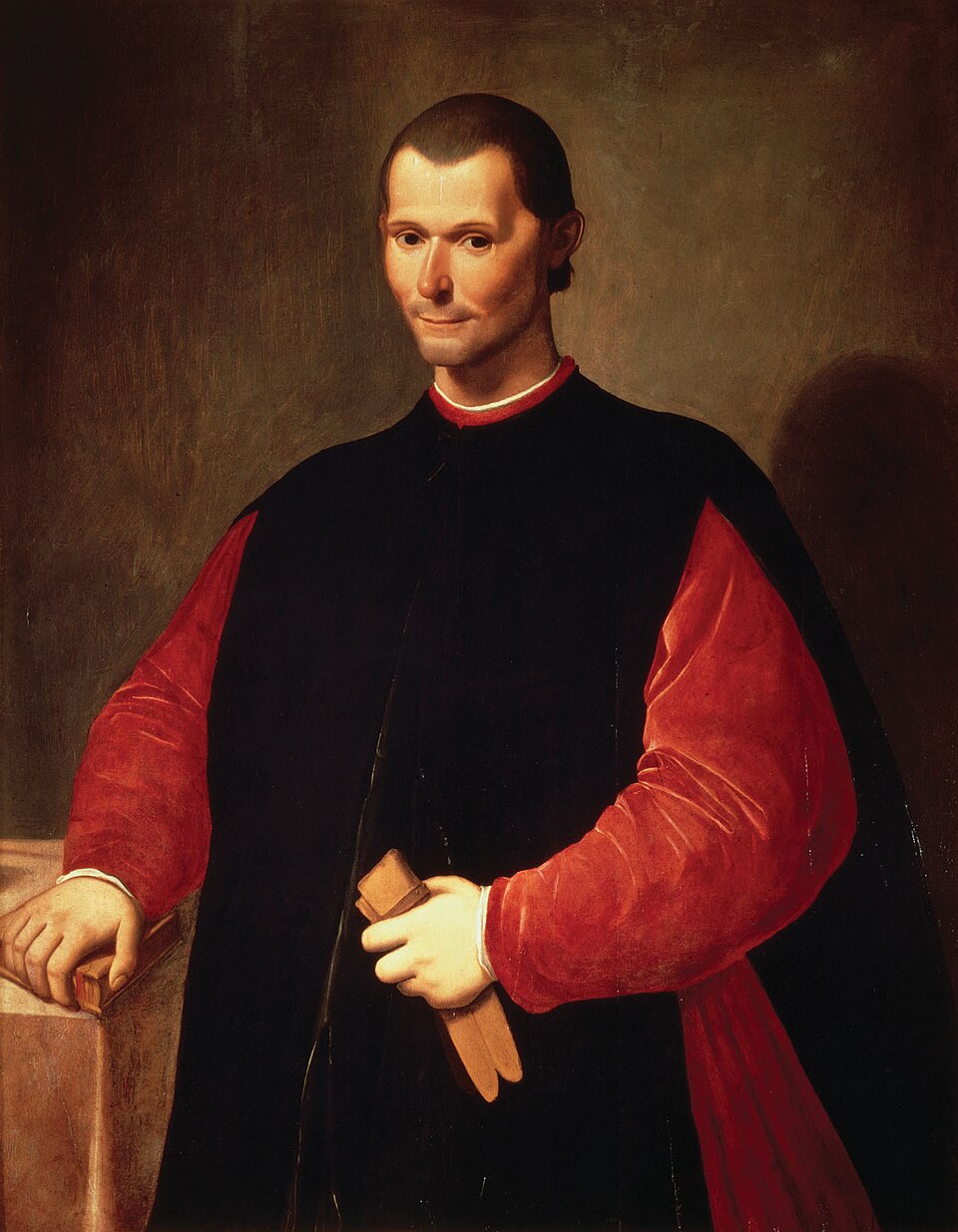
  • Portrait of Niccolò Machiavelli

    Niccolò Machiavelli

    1469–1527, Florence (republican secretary and diplomat, then exile, amid the Italian Wars)

    Trump’s Canadian Tariffs Are a Gladiator’s Move in a Merchant’s Arena

    A 50 percent tariff on Canadian goods is not an economic seminar; it is a power play that tests whether boldness can beat treaties without provoking the hatred that ruins princes and republics alike.

    The scene is clear enough: the American president announces 50 percent tariffs on a wide range of Canadian imports, from hockey sticks to alcohol, invoking an old weapon, Section 338 of the 1930 Tariff Act. He does this while accusing Canada of “unreasonable, unequal, and discriminatory actions,” and after taunting it as a possible 51st state. The tariffs apply even to goods already covered by the USMCA, the very treaty meant to give stability to trade. In reply, the Canadian prime minister speaks of “more than 20 new economic and security partnerships” and the “benefits of free and fair trade,” declaring readiness to negotiate. One side brandishes the ax; the other waves the contract.

    Read the essay