U.S. Conducts Multiple Strikes on Iran Following Deaths of American Soldiers
America Is Swinging the Club. I Am Asking: Where Is the Shield?
Decisive reprisals can preserve a state’s reputation in the short run, but without prepared dykes and clear ends they become the middle course that ruins republics.
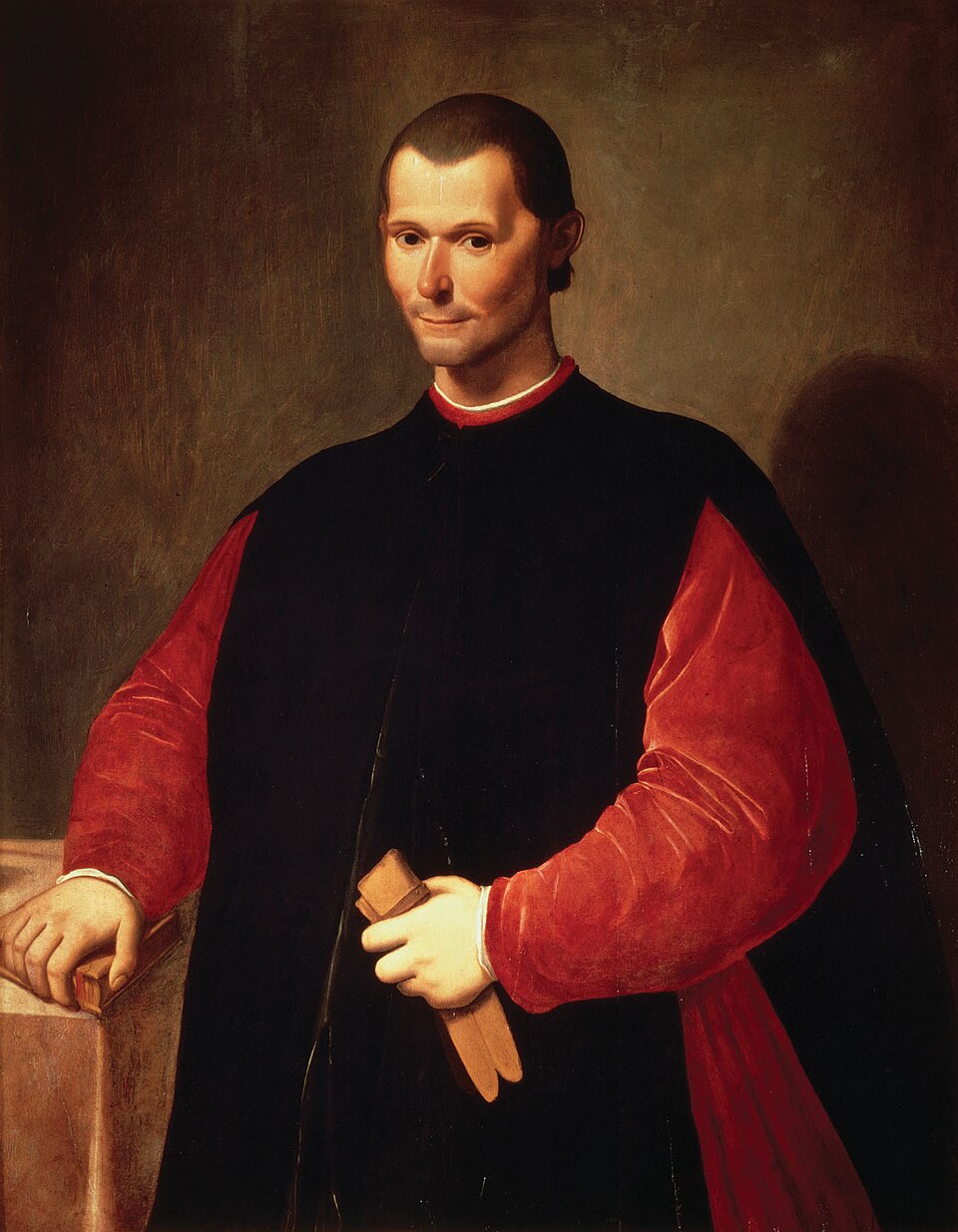
Two young soldiers die at a base in Jordan, struck by Iran. Their names, ages, home states are published. This is not a small thing. When a republic puts names to the fallen, it is already halfway committed to vengeance, because the people will not accept that their children died cheaply. So the United States answers with night after night of strikes inside Iran: explosions near Tabriz, in Gulf ports, in the south-east. Its president declares publicly that every time Iran kills an American, it will pay many times over. Here fear is minted into policy in the open square, not whispered in chancelleries.
I begin, as I did in the little book on princes, from the effectual truth and not from imagination. The truth is this: the chief magistrate of that republic acts first to maintain the state and its reputation. Two soldiers killed, then another in Iraq handling an Iranian drone, are not merely human losses; they are tests of whether attacks on Americans carry a price. If they do not, every rival learns the same lesson. In such a case severity is not a moral debate but a necessity. The only question for a prudent ruler is whether the harshness is well-ordered or confused.
When I wrote that it is safer to be feared than loved, if one must choose, I added that a prince must avoid hatred, because hatred loosens all the bolts of power (as translated by W. K. Marriott). Fear is useful when it is predictable, proportioned, and tied to clear rules; hatred rises when punishment appears capricious, endless, or indifferent to limits. These American strikes have an intelligible premise: kill our soldiers, and you will suffer multiplied damage. What I cannot yet see is the boundary. If the enemy goes quiet for ten days, does the hammer pause? For ten months? The measure of fear is its finish line.
There is one point here that would make any Florentine nod. These are not mercenary hands. The United States uses its own arms, its own pilots, its own munitions. I argued in The Prince that those who lean on auxiliaries or hired swords invite ruin, because the borrowed arm may turn in your hand or demand its wage at the worst time. At least on the field of blows, this power obeys the old rule of good arms. Yet arms alone are not enough; there must be laws and institutions that harness them, or else courage becomes only noise.
Look at the declared aim: to degrade Iran’s ability to attack ships in a narrow strait, and to deter further attacks on Americans. This is virtù if it truly anticipates the next dangers posed by fortune, as one builds dykes before the floods. But I remember how I compared fortune to a violent river, which overwhelms lands where no barriers have been raised in fair weather. I ask myself: what dykes has this republic prepared? Has it arranged alliances, domestic consent, economic cushions, channels to climb down from the ladder of escalation? Or is it simply riding the current of indignation and military habit, calling that ride “strength” while the river deepens the channel.
The president’s vow, issued in the public square of your time, is not just policy; it is appearance crafted as armor. Most men judge more with their eyes than with their hands. To say “you will pay many times over” is to present oneself as inexhaustible in resolve and resources, and this may well deter some enemies. But once spoken, such maxims chain the speaker. If some future strike on Americans goes unanswered or answered more softly, the damage to reputation may exceed any benefit of restraint. Promise too little and you invite testing; promise too much and you mortgage tomorrow’s prudence.
My greatest doubt lies in the arithmetic of severity. Ten consecutive nights of attacks, more announced, yet no declared political end beyond punishment and degradation of capacity: this begins to smell of that middle course I always despise. Either you mean to break the enemy’s will in a defined way and then fix the terms of a new order, or you mean to re-establish a tolerable equilibrium and stop. Endless pinpricks that neither topple nor reconcile only teach both sides to live in permanent disorder. A republic can afford one sharp war; it cannot afford a strolling war without destination. Well-used cruelty is swift, necessary, and then put away. The danger here is not cruelty, but drift.
From the works cited
- The Prince — The economy of violence and the feared/loved calculus: better feared than loved if one must choose, but never hated — fear rests on the prince's will, love on the fickle will of others.
- The Prince — Arms of one's own versus mercenaries and auxiliaries: power borrowed is power owed, and it will be collected at the worst moment.
- The Prince — Virtù versus fortuna — the raging-river figure: preparation in fair weather is the whole difference between the drowned and the dry.