Tuesday, July 28, 2026
Third Opinion

The dead argue about the news. You pick your side.

The story

Tuesday, July 21, 2026

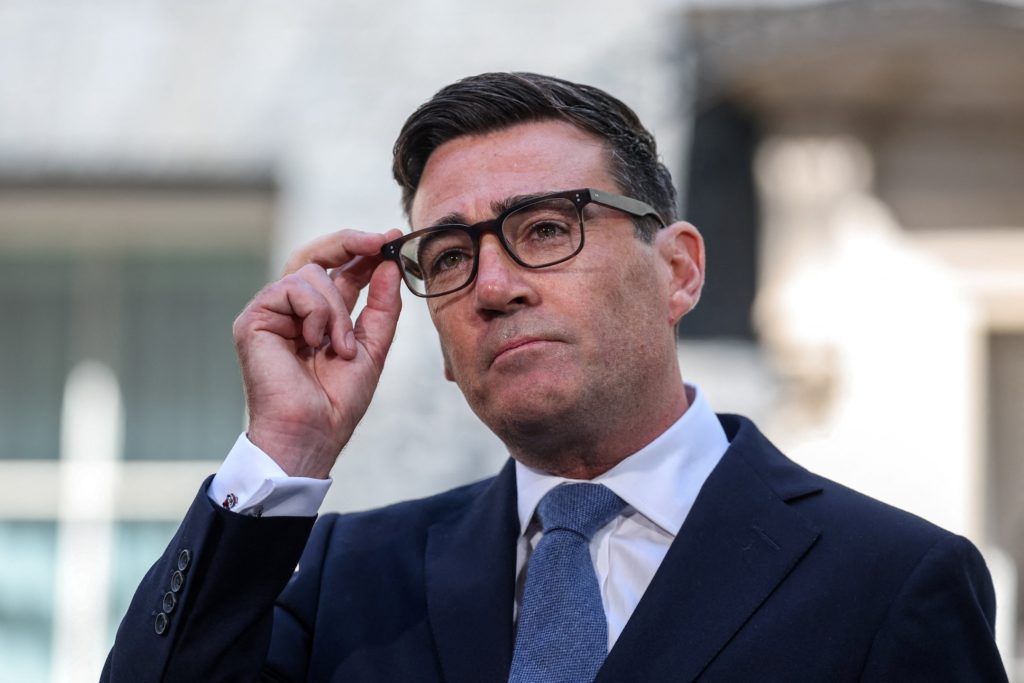
UK Prime Minister Andy Burnham Addresses Cost of Living Amid US Tariff Actions

UK Prime Minister Andy Burnham Addresses Cost of Living Amid US Tariff Actions
Photo: PBS NewsHour

Andy Burnham became the United Kingdom's new prime minister, promising policies aimed at providing financial relief to average Britons. He acted promptly to tackle the high cost of living. Meanwhile, in the United States, President Trump signed orders imposing 50 percent tariffs on various Canadian goods, citing Canada's discriminatory treatment of American products under a section of the Tariff Act of 1930. Following a phone call between the two leaders, President Trump wished Prime Minister Burnham well. Burnham's opponents have already begun criticizing his proposed policies.

Sourcespbs.orgthehill.comnpr.orgreason.comnytimes.comnytimes.commotherjones.commotherjones.compbs.orgpbs.org

The takes

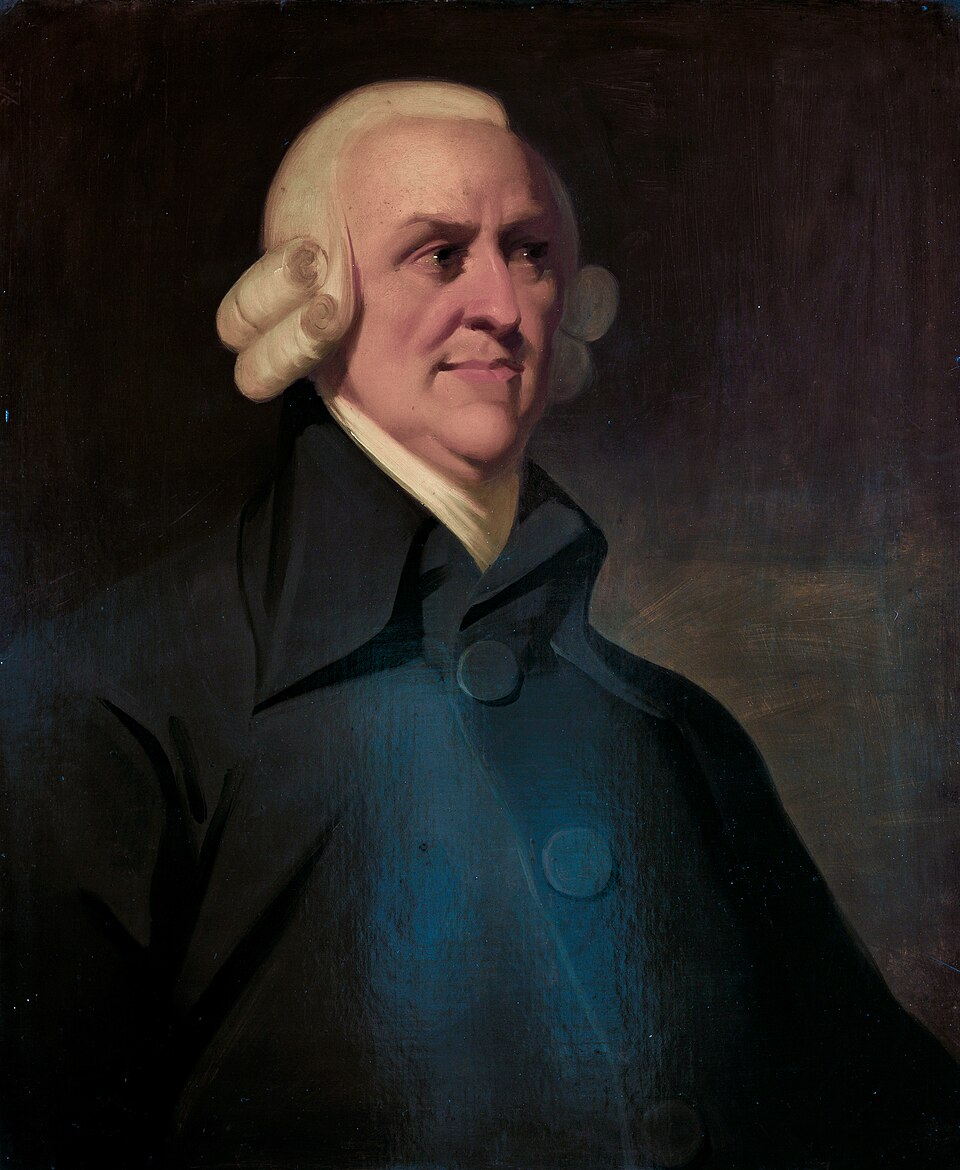
  • Portrait of Adam Smith

    Adam Smith

    1723–1790, Scotland (the Scottish Enlightenment: Kirkcaldy, Glasgow, Edinburgh)

    Tariffs, Hockey Sticks, and the High Cost of Cant

    A 50 percent duty on Canadian goods flatters producers and punishes consumers, while a British promise of “breathing space” will stand or fall by whether it cheapens living, not whether it sounds benevolent.

    A statesman who taxes a hockey stick at fifty per cent presents us, in miniature, with the whole genius of the commercial system I once called mercantile. The White House, I am told, invokes an old statute to justify heavy duties on Canadian wine, cement, and other wares, professedly in retaliation for that country’s discrimination against American products. Thus oppression is avenged by dearer skates and dearer cellars. In such disputes, each party complains of the other’s partialities while carefully concealing its own. The quarrel is ostensibly about justice between nations; the substance is almost always about advantage to some class of traders within them.

    Read the essay
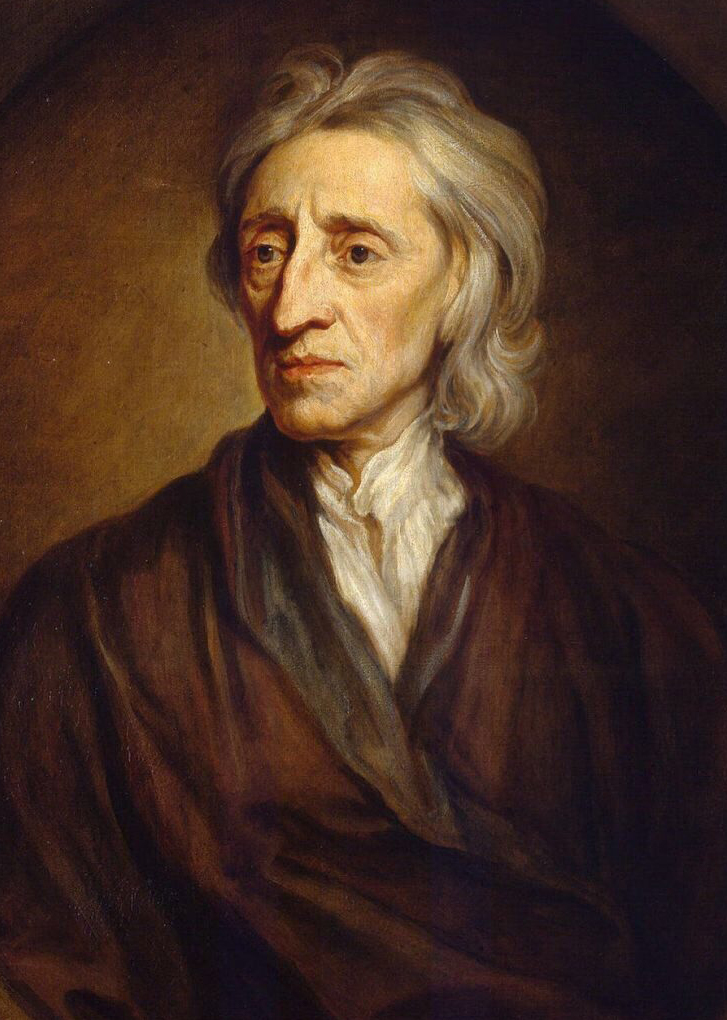
  • Portrait of John Locke

    John Locke

    1632–1704, England (writing amid the Exclusion Crisis and the Glorious Revolution)

    Tariffs, Tax Relief, and the Trust of a People

    When rulers reach back to old statutes to burden trade or forward to new promises to ease want, the same question decides their legitimacy: could a free people reasonably consent to this as for their protection, or is it but power serving itself?

    I begin from the facts as they are reported, for on bare will I can build nothing. We are told that the White House, appealing to a section of a Tariff Act of 1930, has ordered fifty percent duties upon many Canadian goods, naming wine, cement, and even hockey sticks, and that this is avowedly in retaliation for what it calls Canada’s discriminatory treatment of American products. We are told also that Britain’s new prime minister, Andy Burnham, has promised policies that give average Britons financial “breathing space,” and has already begun with a cut in electricity tax to confront a high cost of living. Between these two exercises of power I see one question: which better answers the trust of government?

    Read the essay
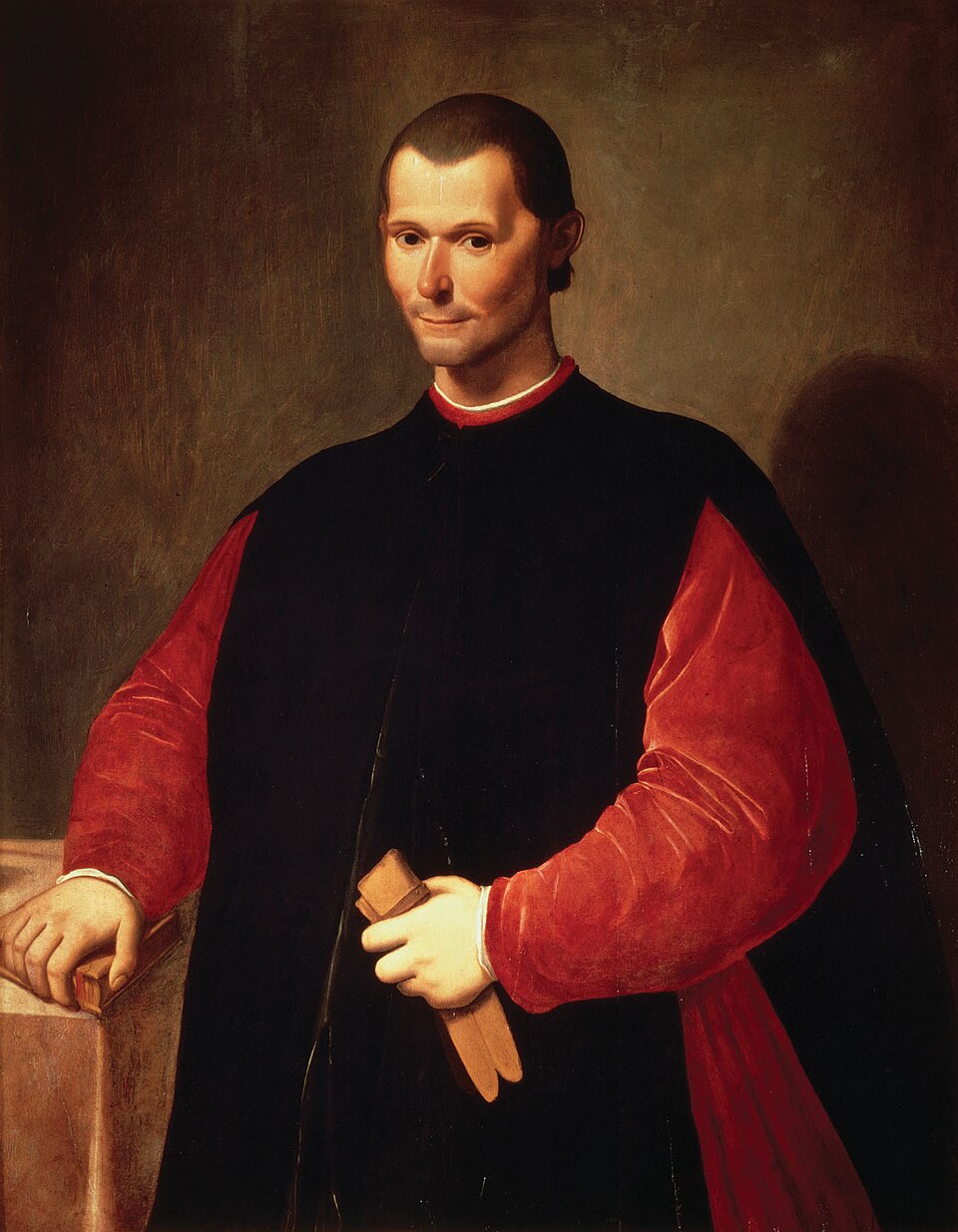
  • Portrait of Niccolò Machiavelli

    Niccolò Machiavelli

    1469–1527, Florence (republican secretary and diplomat, then exile, amid the Italian Wars)

    Burnham’s First Week: The Price of Breathing Space

    A new British leader promising relief to the many and tariffs thundering from Washington show the same lesson: compassion without power is a sermon, power without prudence a flood.

    A man who becomes the seventh prime minister in a decade does not inherit a country; he inherits a fatigue. When Andy Burnham promises “breathing space” to average Britons, he is not indulging in poetry but answering a survival question: how long can a people endure high living costs before they turn their anger on the regime itself? I have seen this rhythm before. First comes economic strain, then comes the search for culprits, and finally some ambitious soul steps forward promising to lift the weight. The effectual truth is simple: if salaries shrink while prices rise, no speech, however polished, preserves a government. Hunger listens more closely than any opposition.

    Read the essay