UK Prime Minister Andy Burnham Addresses Cost of Living Amid US Tariff Actions
Tariffs, Tax Relief, and the Trust of a People
When rulers reach back to old statutes to burden trade or forward to new promises to ease want, the same question decides their legitimacy: could a free people reasonably consent to this as for their protection, or is it but power serving itself?
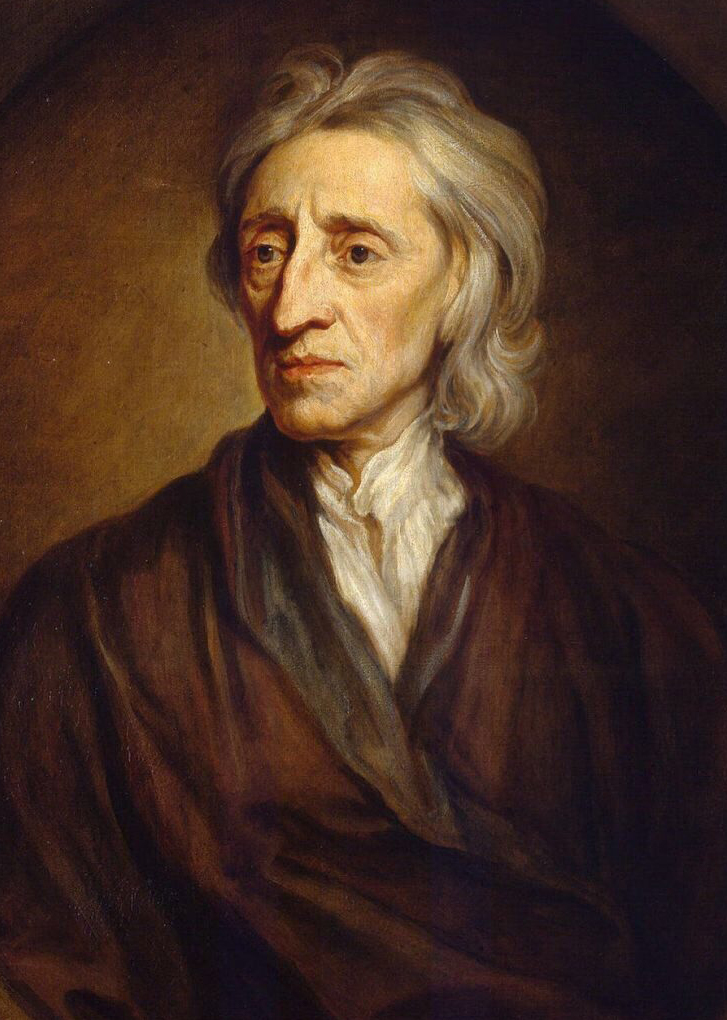
I begin from the facts as they are reported, for on bare will I can build nothing. We are told that the White House, appealing to a section of a Tariff Act of 1930, has ordered fifty percent duties upon many Canadian goods, naming wine, cement, and even hockey sticks, and that this is avowedly in retaliation for what it calls Canada’s discriminatory treatment of American products. We are told also that Britain’s new prime minister, Andy Burnham, has promised policies that give average Britons financial “breathing space,” and has already begun with a cut in electricity tax to confront a high cost of living. Between these two exercises of power I see one question: which better answers the trust of government?
When I wrote the Second Treatise of Government, I defined political power as a right of making laws, with penalties, only for the public good. I took men as naturally free, equal, and independent, subject only to the law of nature, which is reason teaching that no one ought to harm another in his life, liberty, or possessions. Such persons may by consent form a commonwealth and entrust rulers to protect their property, by which I meant not lands only, but lives, liberties, and estates together. This trust is precise: power is to be exercised for preservation, not for any private revenge, gain, or glory. Whenever rulers go beyond that end, they step from government into usurpation, though they cloak themselves in the gravest statutes.
Let me therefore consider these tariffs as an instance of prerogative, for though they are dressed in a law of 1930, the choice to employ that law now, at this rate, and upon these goods is plainly discretionary. Prerogative, as I argued then, is a power in the executive to act for the public good without, and sometimes even against, the letter of the law, where the law cannot foresee all occasions. Such power may be needful in emergencies; but it is always precarious, always held at the mercy of the people’s judgment, and legitimate only so long as the public manifestly benefits. A discretionary injury is not cured by being technically lawful; it is only made more dangerous.
The imposition of a fifty percent tariff is no small matter. It restrains the liberty of merchants to exchange where they judge best, diminishes the estate of consumers forced to pay dearer, and invites retaliation that may hurt others not yet named. The White House alleges discrimination by a foreign power and dresses its act as mere self-defense. Yet reason obliges us to ask: is this truly a measure of preservation, or a punishment laid upon one’s own subjects to sting a neighbour? If the burdens fall chiefly on domestic buyers and sellers, while the benefit is conjectural and remote, then the ruler uses his subjects as instruments, not ends, and comes near that arbitrary power I have always held worse than the state of nature it pretends to cure.
Here the law of nature must sit as judge. No community can, by any compact, authorize its governors to destroy the very property which they were chosen to secure; they may tax, but only by rules known and standing, and only so far as the public good is evident to common reason. To reach back near a century to an old statute, and thence draw a weapon for present retaliation, is to make the letter of the law serve a new will. If there be no impartial judge accessible to those injured — if the same executive who imposes the tariff is the only interpreter of its necessity and success — then he is in effect judge in his own case. Such power, however frequently it pleases itself with the name of sovereignty, is but force.
Turn now to the case of Mr. Burnham’s promises. We are told only that he vows to give Britons “breathing space” and has begun by cutting an electricity tax to meet a high cost of living. Here, too, the question is not whether his intentions are kind, but whether the measures keep faith with the end of government. A tax that presses heavily on the necessities of life comes near to invading the property it should shelter; a relief that leaves more of each person’s honest gains in his own disposal tends plainly to preservation. This does not make every tax cut wise, nor every promise sincere, but it places such acts on the right side of the line: they avowedly aim to ease, not to bind, the subject.
Yet I would not have anyone imagine that a single tariff or a single tax relief either dissolves or secures a government. As I wrote concerning the dissolution of governments, it is a long train of abuses, all pointing the same way to arbitrary power, that justifies a people in withdrawing their obedience. The burden of proof, however, always lies upon power. Those who wield the Tariff Act of 1930 today must show, to the understanding of those who pay the price, that these fifty percent duties are necessary to protect their lives, liberties, and estates, and that the measure remains revocable if it fails that test. Where such justification is wanting, men are entitled to judge that what calls itself government is but a stronger party making trial how far it may go.
In sum, both the retaliatory tariff and the promise of financial breathing space must stand before the same tribunal: could a free and equal people reasonably assent to these as ordinances for their safety, under known laws and with appeal to an impartial judge, or must they submit in silence to counsels locked up in the breasts of rulers? Upon the answer to that question, more than upon any lawsuit or editor’s praise, hangs the difference between power held on trust and power degenerating into usurpation.
From the works cited
- Second Treatise of Government — Political power defined narrowly as the right to make laws, with penalties, only for the public good — anything beyond that definition must justify itself or stand condemned.
- Second Treatise of Government — Prerogative as revocable emergency discretion — legitimate exactly as long as the public visibly benefits and no longer.
- Second Treatise of Government — The dissolution of government and the right of resistance: when legislators invade property or set up arbitrary power, they rebel against the people, not the people against them.