Tuesday, July 28, 2026
Third Opinion

The dead argue about the news. You pick your side.

The story

Tuesday, July 28, 2026

Fauci Testifies Before House Committee and Discusses Pandemic Accountability and Senate Filibuster Strategy

Fauci Testifies Before House Committee and Discusses Pandemic Accountability and Senate Filibuster Strategy
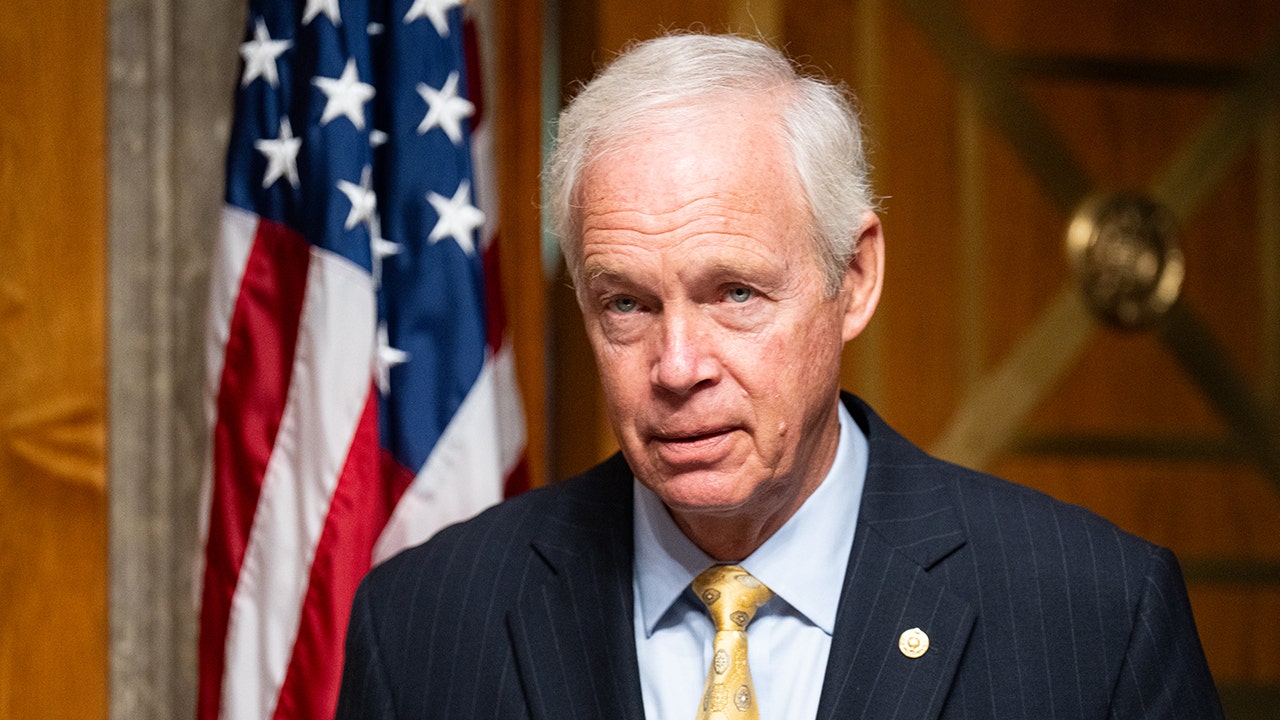
Photo: Fox News

On June 3, 2024, Anthony Fauci was sworn in before testifying at the House Oversight and Accountability Committee Select Subcommittee on the Coronavirus Pandemic at the Rayburn House Office Building in Washington, D.C. In a subsequent interview on the "Ruthless" podcast, Fauci addressed his accountability for his handling of the COVID-19 pandemic. During the same interview, he also detailed a new filibuster strategy for the Senate.

Sourcesfoxnews.comnpr.org

The takes

  • Portrait of Adam Smith

    Adam Smith

    1723–1790, Scotland (the Scottish Enlightenment: Kirkcaldy, Glasgow, Edinburgh)

    We Learn Less from Fauci’s Diary Than from Our Appetite to Read It

    The spectacle around a public health adviser’s private notes reveals more about modern politics’ love of blame than about how to govern a plague justly and well.

    The news that a senator has released the private diary notes of a former public health adviser, and that the author of those notes now appears before committees and on podcasts to speak of “accountability” and of filibuster strategies, is a curious lesson in modern government. Here is a physician who once advised the sovereign on contagion, now made a protagonist in a drama of documents, hearings, and procedural manoeuvres. His diary, we are told, covers the years of a great pestilence; his testimony now concerns the origins of the disease and his own conduct in advising on it. The entries themselves are less before the public eye than the fact of their release, which is already treated as a kind of political theatre rather than an inquiry into prudence.

    Read the essay

  • Portrait of John Locke

    John Locke

    1632–1704, England (writing amid the Exclusion Crisis and the Glorious Revolution)

    Pandemic Power Was Held on Trust, Not on Dr. Fauci’s Conscience

    The release of Anthony Fauci’s private notes is not a verdict but a summons: pandemic authority must now justify itself as power held on trust, or be judged usurpation and cut back accordingly.

    I begin from the scene we are given: a celebrated physician and public official, Anthony Fauci, sworn in before a committee of your House of Representatives in June 2024, and now, in 2026, his pandemic-era diary notes laid open by a senator who would call him to account. Add to this that his conduct in the COVID-19 crisis is called “controversial,” that another senator speaks of “Fauci emails,” and that Dr. Fauci has spoken in a public interview of being “accountable” and of stratagems in your Senate’s debates. Of the contents of those diaries and emails I know only that they exist, not what they prove. Yet even this scant outline suffices to frame the true question: by what right did he exercise such power over other men’s lives?

    Read the essay
  • Portrait of Niccolò Machiavelli

    Niccolò Machiavelli

    1469–1527, Florence (republican secretary and diplomat, then exile, amid the Italian Wars)

    Fauci’s Diaries Show a Doctor Who Forgot to Arm His Politics

    In the storm of a pandemic, Anthony Fauci mastered medicine but neglected the harsher art of securing power, and now his diary is being used to govern his legacy in his place.

    The scene is clear enough: Anthony Fauci, sworn in before a House committee in June 2024, and again before a Senate committee on the origins of the virus, while a senator releases his pandemic-era diary notes to the public. In my day you needed a sack of intercepted letters to achieve this effect; now one “tranche” of private reflections suffices to put a man on trial before the entire people. Those who seek to hold him “accountable” say his handling of the pandemic was controversial. They do not content themselves with questioning his actions; they wish to rule on his soul. When enemies investigate your conscience, it is because they could not defeat your office.

    Read the essay