Three Killed and Seven Injured in Shooting at Idaho In-N-Out Restaurant
What a Shooting at a Burger Shop Reveals About Justice and the Market
A gunman in a drive-thru lane does more than spill blood; he shrinks the extent of the market and lays bare the state’s first duty, and its temptations, in the aftermath.
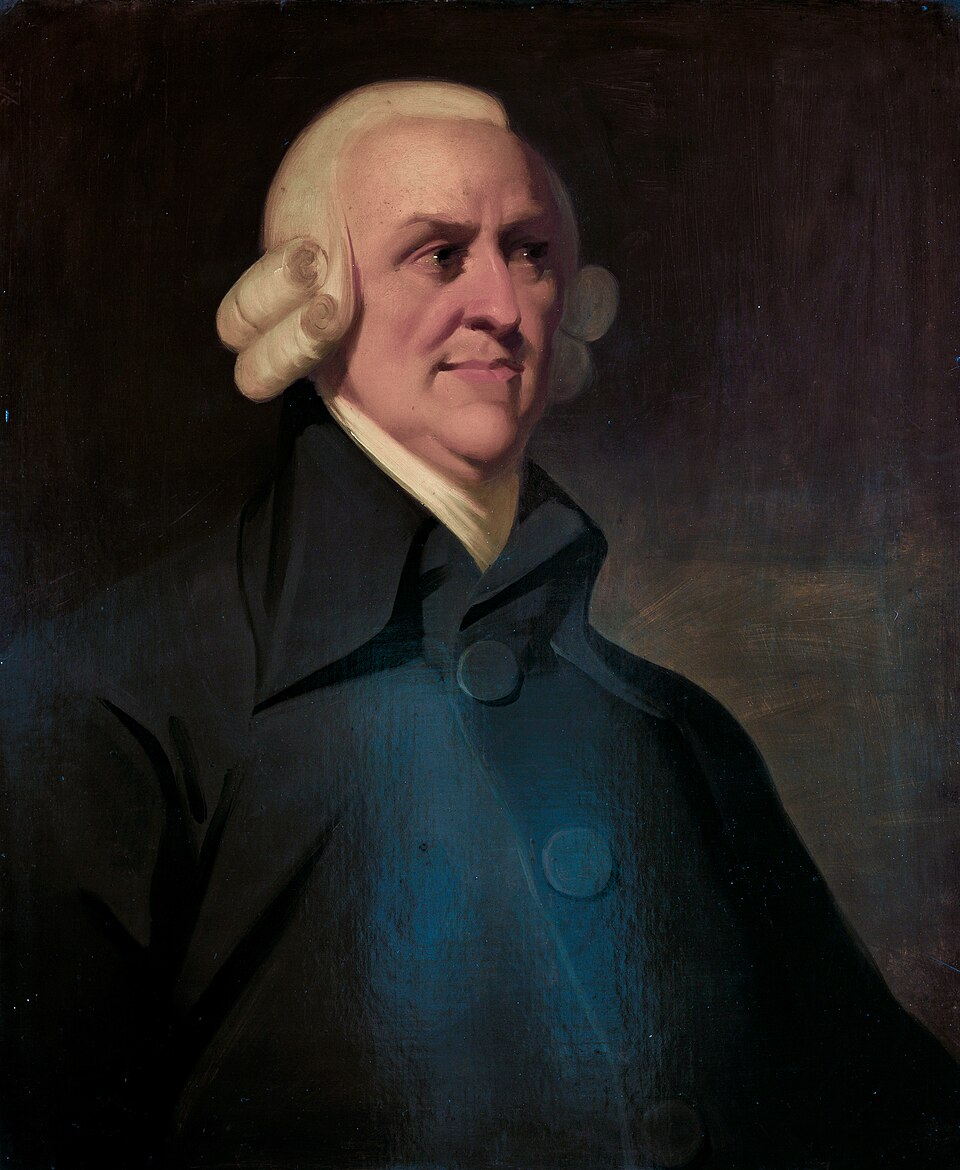
A man with a rifle stepping from the drive-thru of a newly opened burger shop, three people killed and others grievously wounded in an ordinary afternoon of eating and errands: the very plainness of the scene in Twin Falls is what should most alarm us. When I wrote, in my moral work, of spectators who sympathise with the fortunes of others, I did not imagine sympathy would be asked to stretch itself to such frequent spectacles of sudden slaughter in places of common resort. Here the impartial spectator requires no delicate casuistry: the gunman’s conduct is not merely imprudent or irregular, but a direct assault upon the very possibility of living together in peace.
In The Theory of Moral Sentiments I argued that our sense of merit and demerit turns on intentional injury and the resentment it naturally excites. A stranger’s random fire into a crowd, a young woman at her work, customers at their food, is a paradigm of that intentional injury. It offends not only the love we bear to the innocent, but that deep demand of every breast that wrong be punished and safety restored. The man who, as reported, ended his own life after destroying others, has placed himself beyond human punishment; but he has not removed the obligation that there be justice. The community’s anger is not a mere passion to be soothed by pious phrases; it is the very sentiment that upholds law.
This brings us from morals to what I called, in the Wealth of Nations, the sovereign’s first duties. The state exists, not to favour this or that trade, nor to flatter this or that tribe of voters, but to provide defence and the exact administration of justice. When shots ring out in a busy commercial quarter and citizens lie dead, the failure is not of commerce, which merely gathered them to a convenient spot, but of the arrangements by which each person may reasonably expect to go about his business unmolested. The hospital that reports its close work with the magistrates, the officers who rush towards danger, all these are the state acting in its proper office. The question is what follows when the sirens are silent and the petitions begin.
We must observe that such violence does more than break hearts; it narrows what I termed the extent of the market. A small restaurant a week into its trade counts on the easy confidence of families and workers who will stop there as thoughtlessly as they breathe. If, instead, they must first calculate the odds of meeting an assailant, many will stay away, and with them vanish the wages of the staff, the profits of the owner, and the rent of the landlord. Fear is a kind of tax upon every errand; it discourages the innumerable small exchanges whose accumulation is the wealth of a town. Commerce does not merely require laws on the statute book, but a felt security in the mind of the labouring poor that they may finish their shift and return home alive.
Where there is such a breach, the philosopher is tempted to invent some grand device that would prevent all future tragedies, if only men would submit to his plan. I warned, long ago, against this man of system, who imagines he can arrange human beings as a player arranges the pieces on a chess-board. Any scheme that requires unusual virtue from ordinary citizens, or perfect foresight from magistrates, is already condemned. Yet to say this is not to acquit the state of action. It is rather to say that whatever measures are taken must work with the grain of human motives, not in proud defiance of them, and must be judged by an impartial spectator alive to both what is seen and what is not.
Here the economist must intrude. Every new security rule, every guard at the door, every elaborate protocol has its price. That price will not be paid by abstract “society” but by particular purses: by customers in higher bills, by workers in lower wages or fewer hours, by small competitors who cannot afford the same fixed charges as a celebrated chain. Some regulations may be well worth these burdens; life and limb are not lightly weighed against a cheaper burger. But we err if we gaze only on the visible consolations of action—the uniformed guard, the earnest press conference—and neglect the quieter costs dispersed through a hundred thousand modest transactions.
I must also recall a less comfortable lesson from the Wealth of Nations: people of the same trade, when they meet, are apt to contrive regulations that are in truth, if not in pretext, a conspiracy against the public. After such a calamity, it would be no surprise if large merchants pressed for rules which, while announced as measures for safety, happened also to disadvantage smaller rivals or new entrants. A requirement that only establishments of a certain size maintain costly security arrangements, for example, might protect customers somewhat, but it would certainly protect incumbents much more. The statesman, if he is to deserve the name, must listen to such petitions with the most suspicious attention, separating what consciences demand from what vested interests desire. The blood on the pavement commands us to secure justice; it does not license every project that can drape itself in mourning.
If I sound doubtful, it is not because the horror is unclear, but because the proper remedies are. We do not yet know the hand that held the rifle, nor the springs of his fury. Was it madness, malice, or some mixture of both? Without that knowledge, a modest legislator will hesitate to draw large conclusions from a single, dreadful case. He will strengthen the sinews of ordinary policing, encourage the steady enforcement of existing law, and take care that the labouring poor, who staff such establishments and frequent them, do not bear the whole weight of measures designed by and for their superiors. To honour the dead is to repair the common world they thought they inhabited: one in which a drive-thru lane is a place for ordering dinner, not meeting death.
From the works cited
- The Theory of Moral Sentiments — Judge conduct by the impartial spectator: what would a well-informed, disinterested observer feel about this action? Praise-worthiness matters more than praise; to be loved without being lovely is worth nothing, and to be blamed unjustly stings less than to deserve blame.
- An Inquiry into the Nature and Causes of the Wealth of Nations — The sovereign's three duties (defence, justice, public works and institutions) and the four maxims of taxation: equality, certainty, convenience, economy.
- An Inquiry into the Nature and Causes of the Wealth of Nations — The division of labour is limited by the extent of the market: peace and security widen the market and deepen specialization and enrich; violence fragments it and impoverishes.