Tuesday, August 25, 2026
Third Opinion

The dead argue about the news. You pick your side.

The story

Tuesday, August 4, 2026

Authorities Treat Unaccompanied Minors as Regular Migrants in Ceuta Crisis

Authorities Treat Unaccompanied Minors as Regular Migrants in Ceuta Crisis
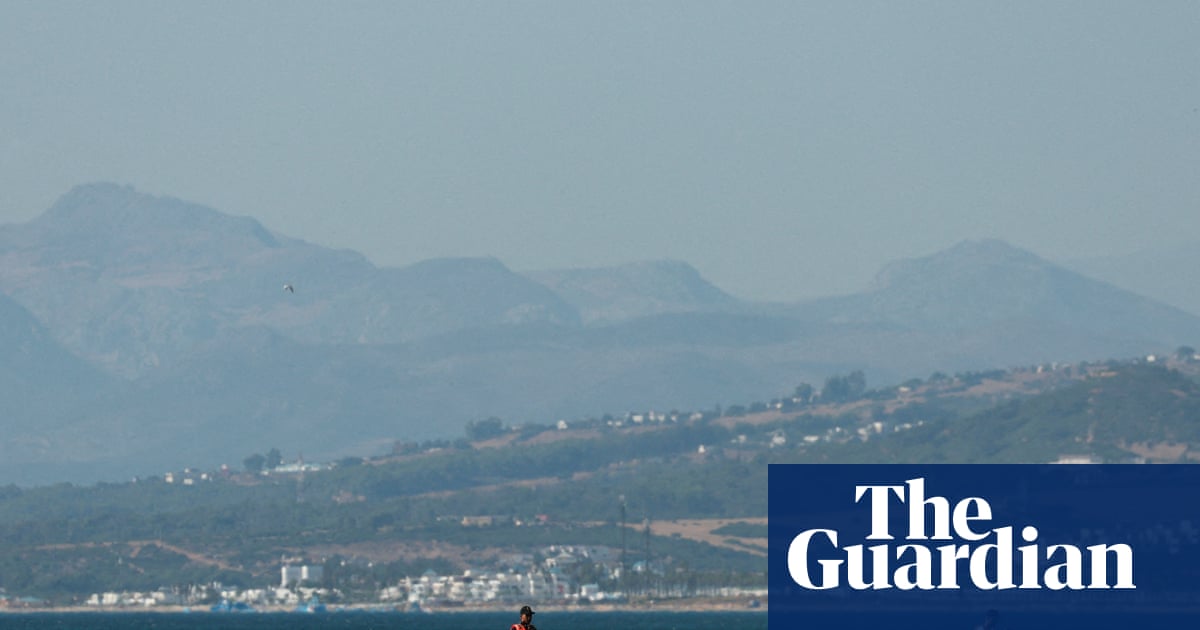
Photo: The Guardian World

In the ongoing migrant situation in Ceuta, authorities including the military, police, and Guardia Civil are following a protocol that treats unaccompanied minors as regular migrants and returns them to Morocco, according to an anonymous soldier. LeVoy commented that political maneuvering is occurring on both sides of the border, affecting individuals seeking better lives and those reacting with fear to the situation. The crisis in Ceuta has highlighted divisions within Europe regarding migration policies and border management.

Sourcestheguardian.commotherjones.comtheguardian.comthehill.comtheguardian.com

The takes

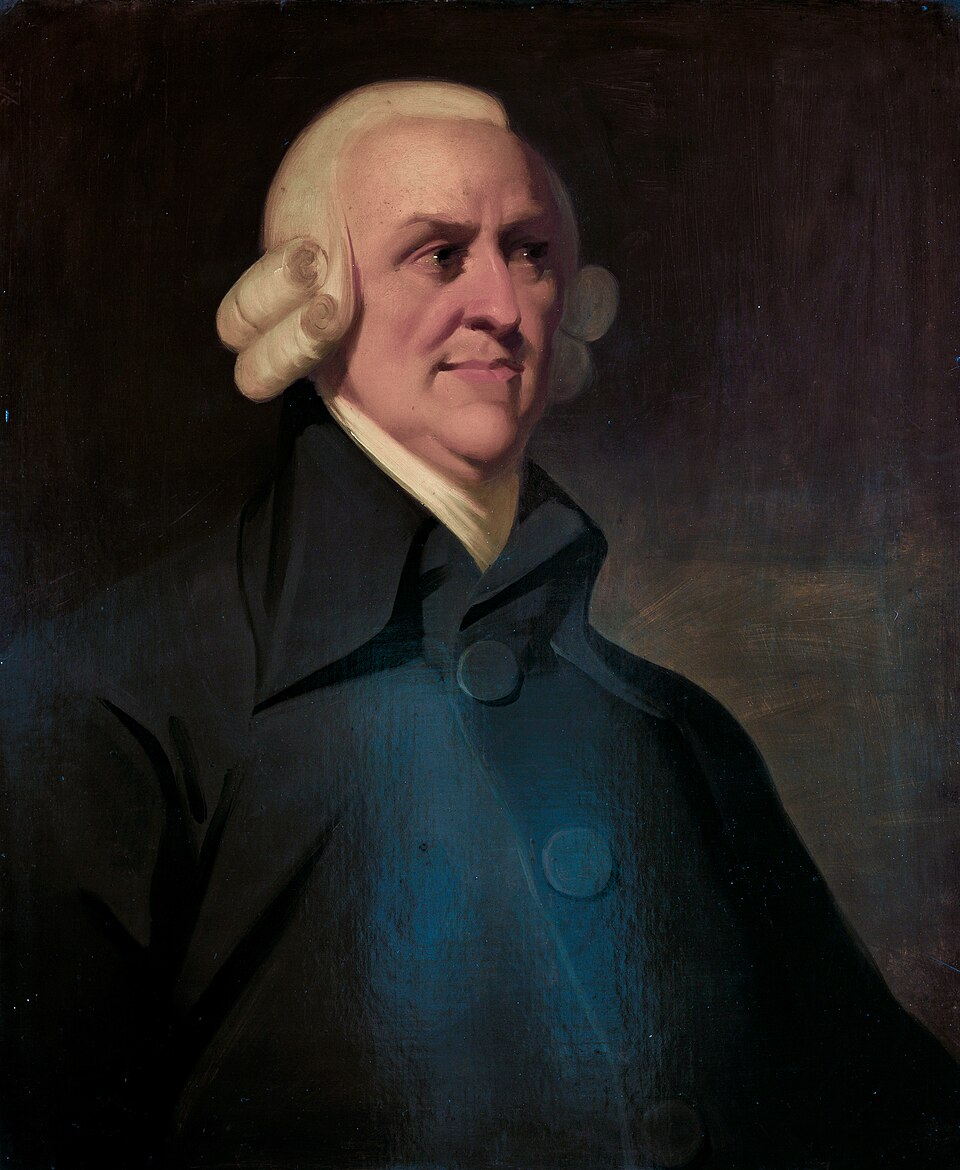
  • Portrait of Adam Smith

    Adam Smith

    1723–1790, Scotland (the Scottish Enlightenment: Kirkcaldy, Glasgow, Edinburgh)

    At Ceuta’s Fence, Europe Prices Human Beings as Nuisance Goods

    When 50,000 people cross a narrow strait, the market expands but the hearts of legislators contract; the tragedy lies not in self-interest, but in the rules that channel it into fear, theatre and waste.

    The spectacle at Ceuta began, we are told, not with some slow deliberation of councils, but with the sudden passage of tens of thousands from Morocco into a European enclave. It is said that people crossed in such numbers that the event has been called an attack on territorial integrity, and that accusations fly that the movement was, if not orchestrated, at least permitted by the neighbouring power. A week before, many of these same persons were workers, neighbours, or idle but harmless youth; once over a painted line, they became, by a strange magic of politics, an invasion. The human beings remained the same; only the incentives of states, officials and publics were altered.

    Read the essay

  • Portrait of John Locke

    John Locke

    1632–1704, England (writing amid the Exclusion Crisis and the Glorious Revolution)

    On Ceuta, Europe Forgets What Borders Are For

    When unaccompanied children are pushed back over a line in the sand like contraband, the power that does it has forgotten that it was trusted with force only to secure human beings, not to dispose of them.

    I begin where the reports begin: with chaos at Ceuta, tens of thousands crossing from Morocco in a short span, dozens dead on the way, and an anonymous soldier saying that the standing order is to treat unaccompanied minors as ordinary migrants and return them at once. Around this, I see high talk of territorial integrity, letters praising “swift handling,” and plans for floating barriers to strengthen the border. I also see another voice remarking that political games are being played with the lives of those who hope for a better life and those who are taught to fear an “invasion.” Here, then, is the scene: great movements of desperate people, and great movements of administrative pens.

    Read the essay
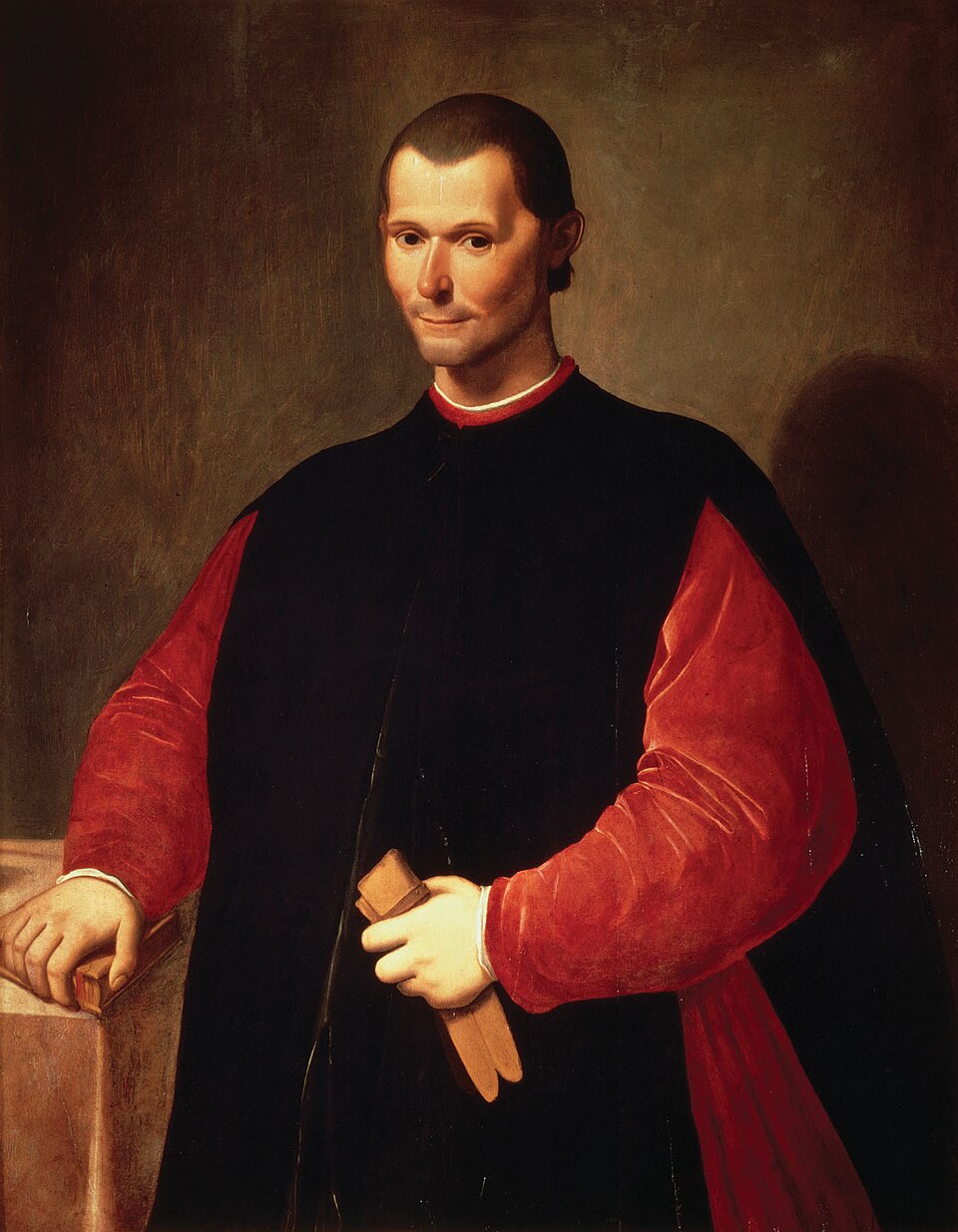
  • Portrait of Niccolò Machiavelli

    Niccolò Machiavelli

    1469–1527, Florence (republican secretary and diplomat, then exile, amid the Italian Wars)

    Ceuta Shows What Happens When Borders Have More Sentiment Than Arms

    When 50,000 people cross in a week, the question is no longer what should be done about migration in the abstract, but whether Spain and Europe possess the virtù and the institutions to keep any policy at all from collapsing under impact.

    Fifty thousand people crossing into a tiny enclave in a few days is not a policy problem; it is fortuna breaking down the door. In Ceuta, Spain’s prime minister calls it a “violation of Spain’s territorial integrity.” The local leader says Morocco at least “encouraged or permitted” the crossing. Others speak of dozens dead in the attempt. I do not need more detail to see the outline. A border that functions one week and is simply walked through the next is like a city wall that looks solid until the first cannonball lands. In The Prince, in W. K. Marriott’s translation, I compared fortune to a river: here the river has clearly found low ground.

    Read the essay