Tuesday, August 25, 2026
Third Opinion

The dead argue about the news. You pick your side.

The story

Friday, August 7, 2026

US Supreme Court Upholds Birthright Citizenship Despite Presidential Challenge

US Supreme Court Upholds Birthright Citizenship Despite Presidential Challenge
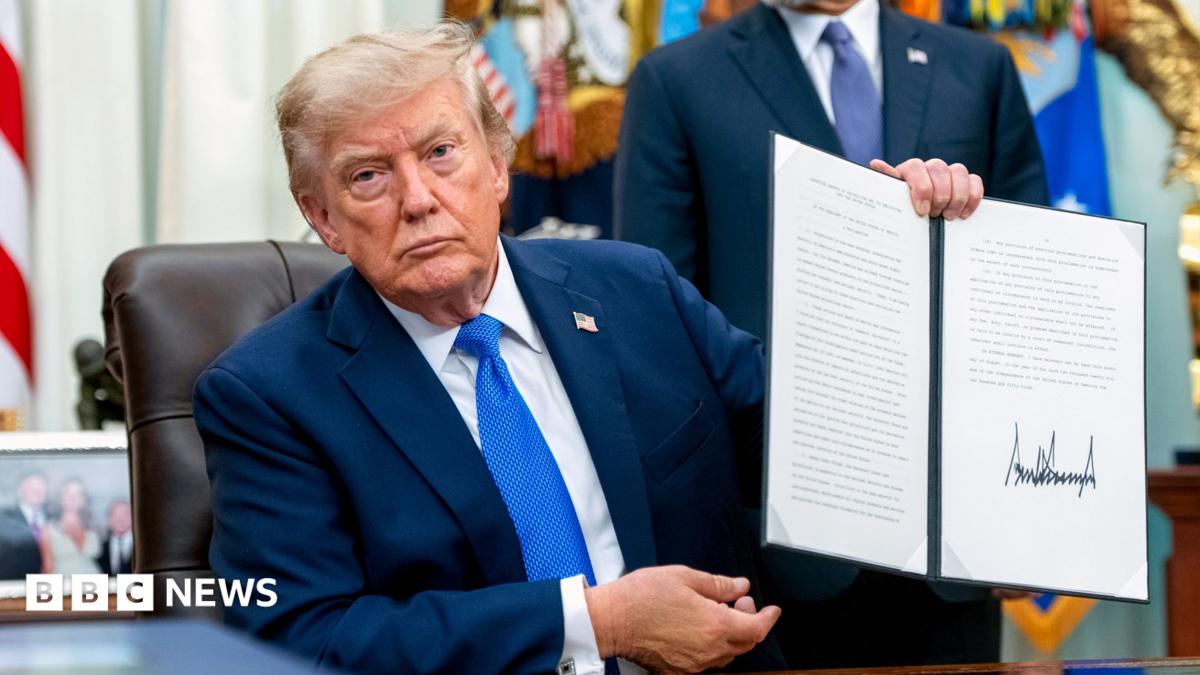
Photo: BBC World

The US Supreme Court has upheld birthright citizenship, ruling against efforts to limit it. Following the decision, former President Trump immediately requested the Court to reconsider the case. Trump stated that once a child is born in the United States, the president does not have the authority to deny that child citizenship, referencing the recent Supreme Court ruling during his administration. The issue remains legally settled as of the October 2025 term.

Sourcesbbc.co.uknpr.orgpbs.orgreason.compbs.orgaljazeera.comtheguardian.commotherjones.com

The takes

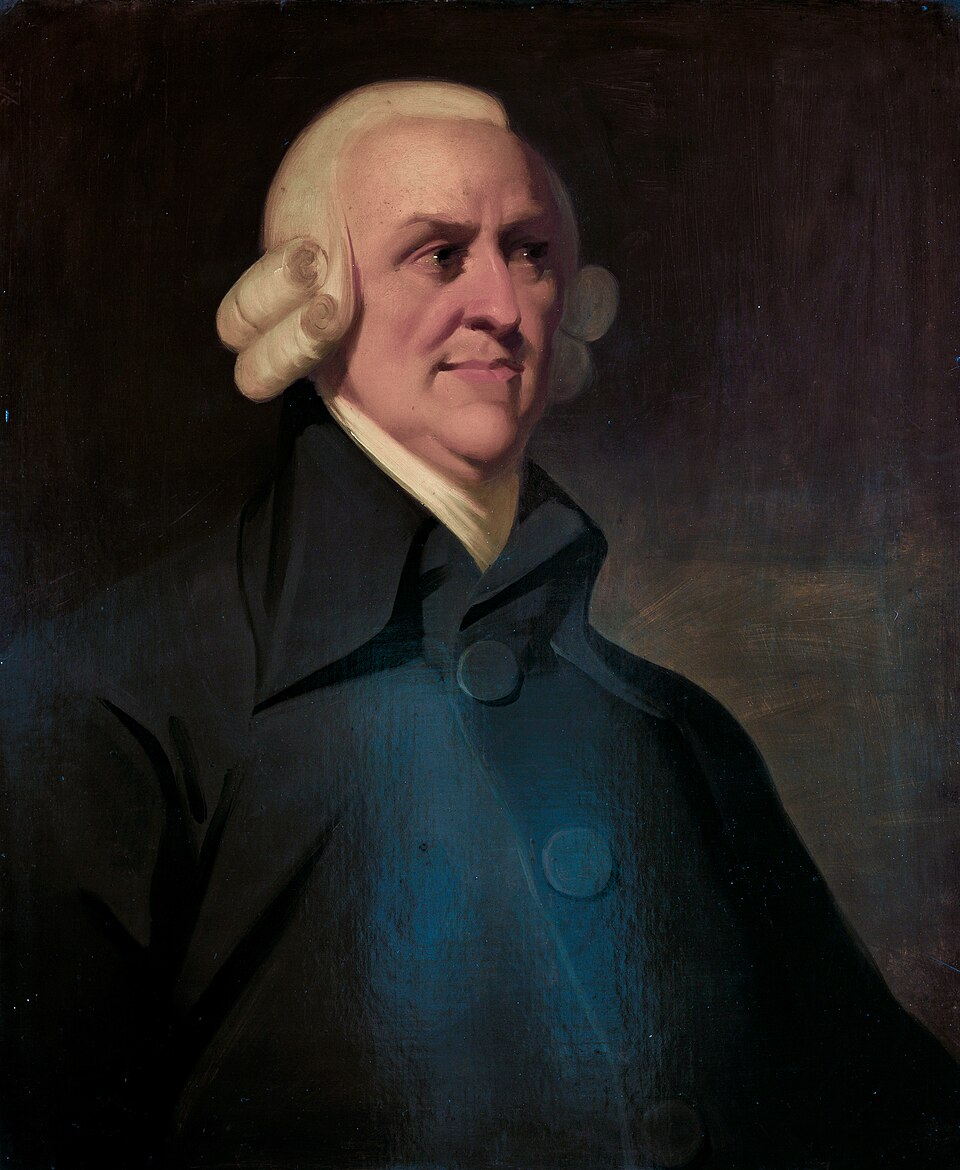
  • Portrait of Adam Smith

    Adam Smith

    1723–1790, Scotland (the Scottish Enlightenment: Kirkcaldy, Glasgow, Edinburgh)

    An Executive Order Against Citizenship, and Against Justice

    A president’s bid to narrow birthright citizenship by decree offends both the rule of law and the quiet conditions on which a prosperous, humane society depends.

    The scene, as it has been described to me, is the chief magistrate in his office, declaring that his government will “again” limit birthright citizenship by executive order. The measure is said to strike at what is called birth tourism and to enlarge the class of parents whose children, though born upon the soil, shall not be counted citizens. All this follows immediately after the highest court has upheld a long‑standing rule to the contrary and rejected a previous attempt to alter it. One of the president’s own countrymen, versed in the law, observes that once a child is born within the territory, the president has no power to say that the child is not a citizen.

    Read the essay
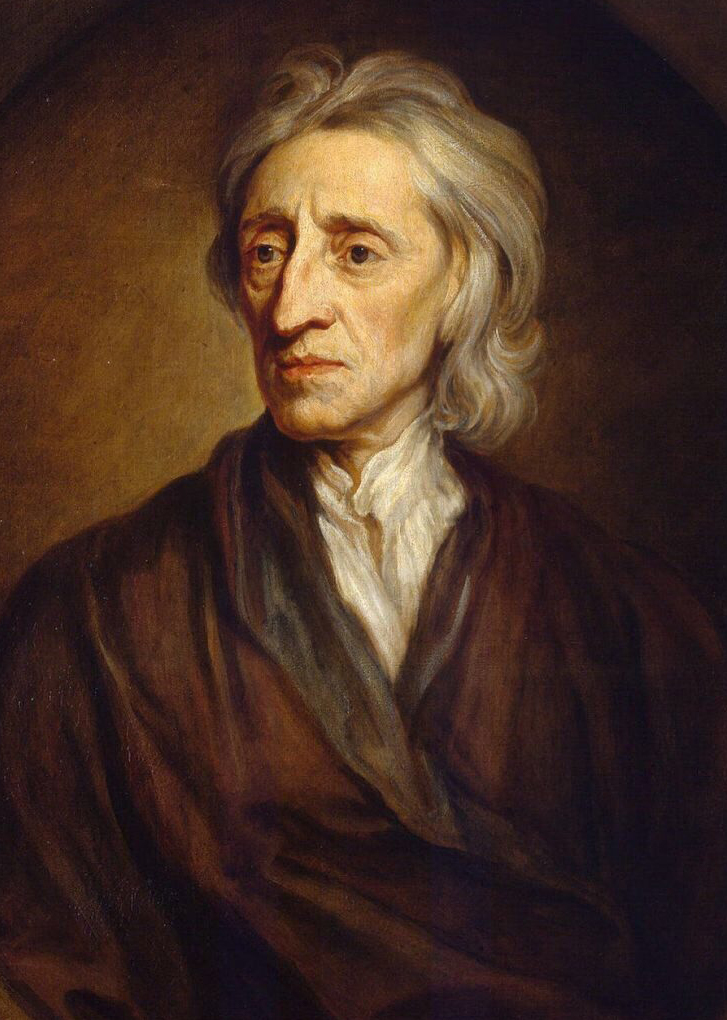
  • Portrait of John Locke

    John Locke

    1632–1704, England (writing amid the Exclusion Crisis and the Glorious Revolution)

    An Executive Order Cannot Unmake a Citizen

    When a single magistrate claims the power to strip birthright citizenship against settled law, he does not govern but usurps, and the people’s obedience in that matter is no longer owed but dangerously misplaced.

    I read that in this republic, whose laws I know only by report, the Supreme Court has lately upheld what you call birthright citizenship and that the executive, having lost that contest, has now issued new orders to narrow or limit that right, including in cases of so‑called birth tourism. I am further told that a learned observer has said that once a child is born within your territory, the president has no power to declare that child not a citizen, and that this was confirmed by the Court’s recent decision. The facts are sparse and perhaps disputed; yet even this outline suffices to raise a grave question: what kind of power does a ruler claim, when he asserts that a stroke of his pen can unmake a citizen whom the law has made?

    Read the essay
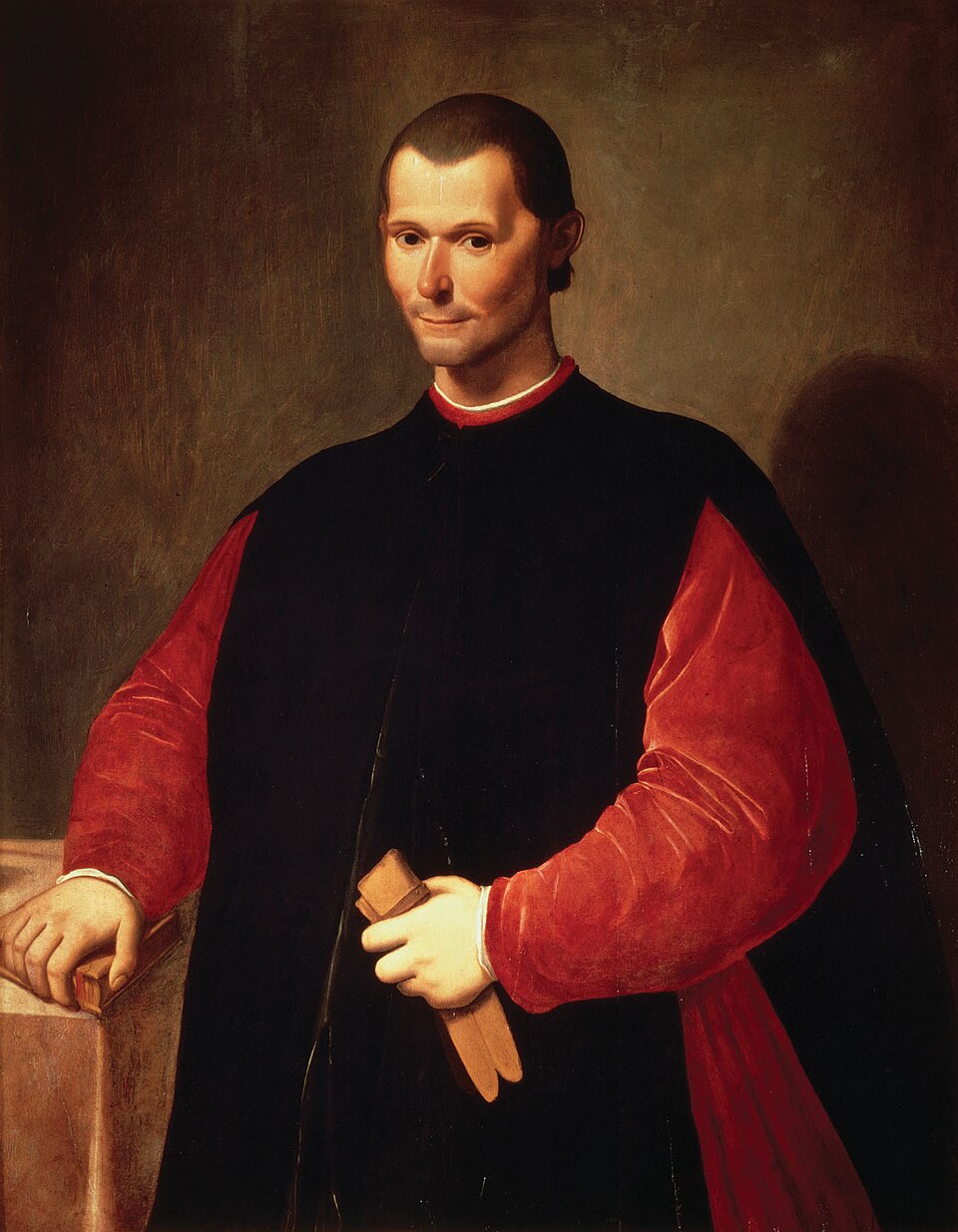
  • Portrait of Niccolò Machiavelli

    Niccolò Machiavelli

    1469–1527, Florence (republican secretary and diplomat, then exile, amid the Italian Wars)

    A President Who Calls the Court’s Bluff Must Bring More Than a Pen

    Defying a recent judgment on birthright citizenship without the arms to enforce that defiance is not princely boldness but a rehearsal of weakness in public view.

    A president loses in the highest court on birthright citizenship, then returns from the Oval Office to announce fresh executive orders "again" limiting it, this time banning birth tourism and widening the class of parents whose children are denied the right. He criticises the Court’s rejection of his earlier bid and, as one lawyer notes, confronts a rule he is said to lack power to change once the child is born. The legal question is for jurists. My concern is the effectual truth. Here I see not a constitutional treatise but a contest of powers, where one head of an institution chooses to call another’s bluff before the whole people.

    Read the essay