Tuesday, August 25, 2026
Third Opinion

The dead argue about the news. You pick your side.

The story

Tuesday, August 11, 2026

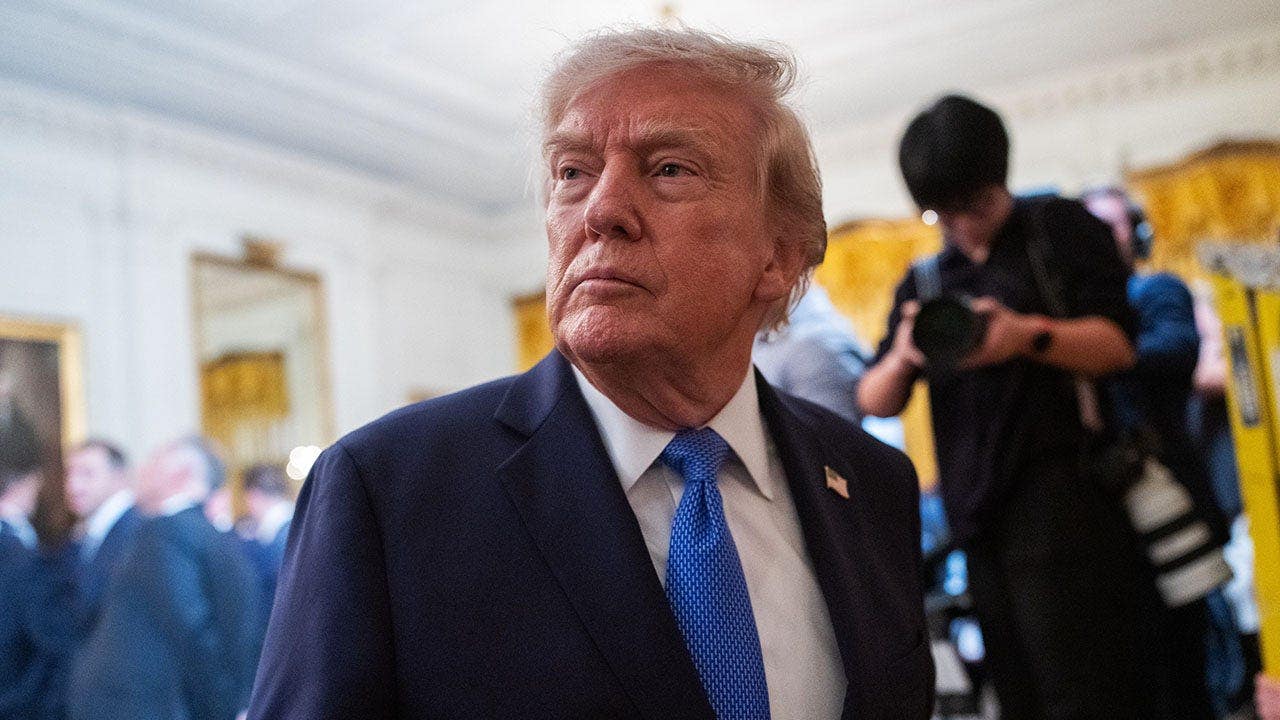
Senate Faces Challenges Passing SAVE America Act Amid Trump Criticism

Senate Faces Challenges Passing SAVE America Act Amid Trump Criticism
Photo: Fox News

Senate leaders have acknowledged significant difficulties in passing the SAVE America Act and abolishing the filibuster, with one official describing these goals as "more impossible" to achieve. Senate Minority Leader John Thune has faced public criticism from former President Trump, which some allies interpret as a tactic to pressure him into advancing parts of Trump's agenda before the upcoming election. Meanwhile, Acting Attorney General Todd Blanche appeared before the Senate Judiciary Committee for his confirmation hearing on July 15, 2026. Senator Ted Cruz expressed confidence that the bill would reach President Trump's desk and benefit student-athletes by stabilizing college athletics. Senator Rick Scott criticized the Senate for going on recess without passing the SAVE Act and called on the newly confirmed Attorney General Blanche to prosecute related cases.

Sourcesthehill.commotherjones.commotherjones.comthehill.comfoxnews.compbs.orgthehill.comnpr.org

The takes

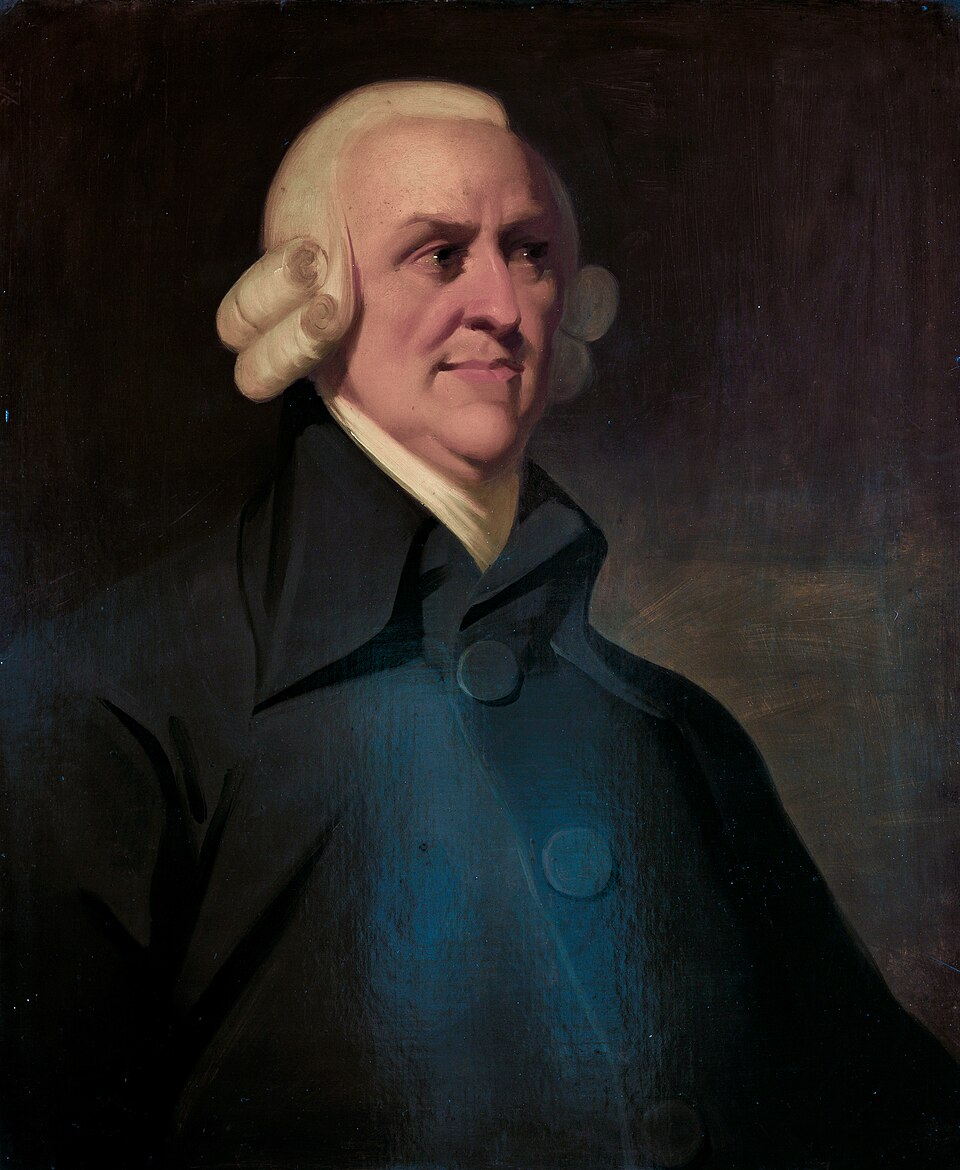
  • Portrait of Adam Smith

    Adam Smith

    1723–1790, Scotland (the Scottish Enlightenment: Kirkcaldy, Glasgow, Edinburgh)

    Why the SAVE America Act Was Never Going to Be Saved by an All‑Nighter

    When legislation is driven by pressure, spectacle, and promises of stability, but neglects prices, incentives, and unseen costs, its failure is less a scandal than the ordinary working of a complicated constitution.

    The spectacle reported to me is vivid enough: a chaotic all‑night sitting of the Senate, a president urging the passage of his SAVE America Act and even the abolition of a long‑standing voting rule, a leader replying that some things are “difficult if not impossible,” and allies explaining that public criticism is but a tactic to apply pressure. Around this, other business is transacted: an acting attorney general is hauled before a committee in hopes of confirmation; some senators resist leadership’s procedural bargains; another reproaches the chamber for going on recess without passing the Act and calls upon the newly confirmed magistrate to prosecute a particular doctor. It is an energetic scene, though one in which energy seems a poor substitute for judgment.

    Read the essay

  • Portrait of John Locke

    John Locke

    1632–1704, England (writing amid the Exclusion Crisis and the Glorious Revolution)

    The Senate’s All‑Nighter Shows a Government Forgetting Its Own Trust

    When legislation lives or dies by public shaming and procedural games, the problem is not a single bill but a legislature losing sight of the people’s consent and the law of nature that limits its power.

    I read of a Senate sitting through a chaotic night, of a so‑called SAVE America Act left on the shelf, of members departing for recess while some voices complain that the work is unfinished. I read also of a president publicly attacking the Senate’s leader to “pressure” him, of allies coolly explaining this as a tactic, expected to change after an election. The facts are sparse, but the pattern is plain enough: political power, which ought to proceed by known rules and open reasons, is here driven instead by personal force and calculation about future advantage. When a legislature begins to move by such winds, one must ask whether the original trust is still clearly before their eyes.

    Read the essay
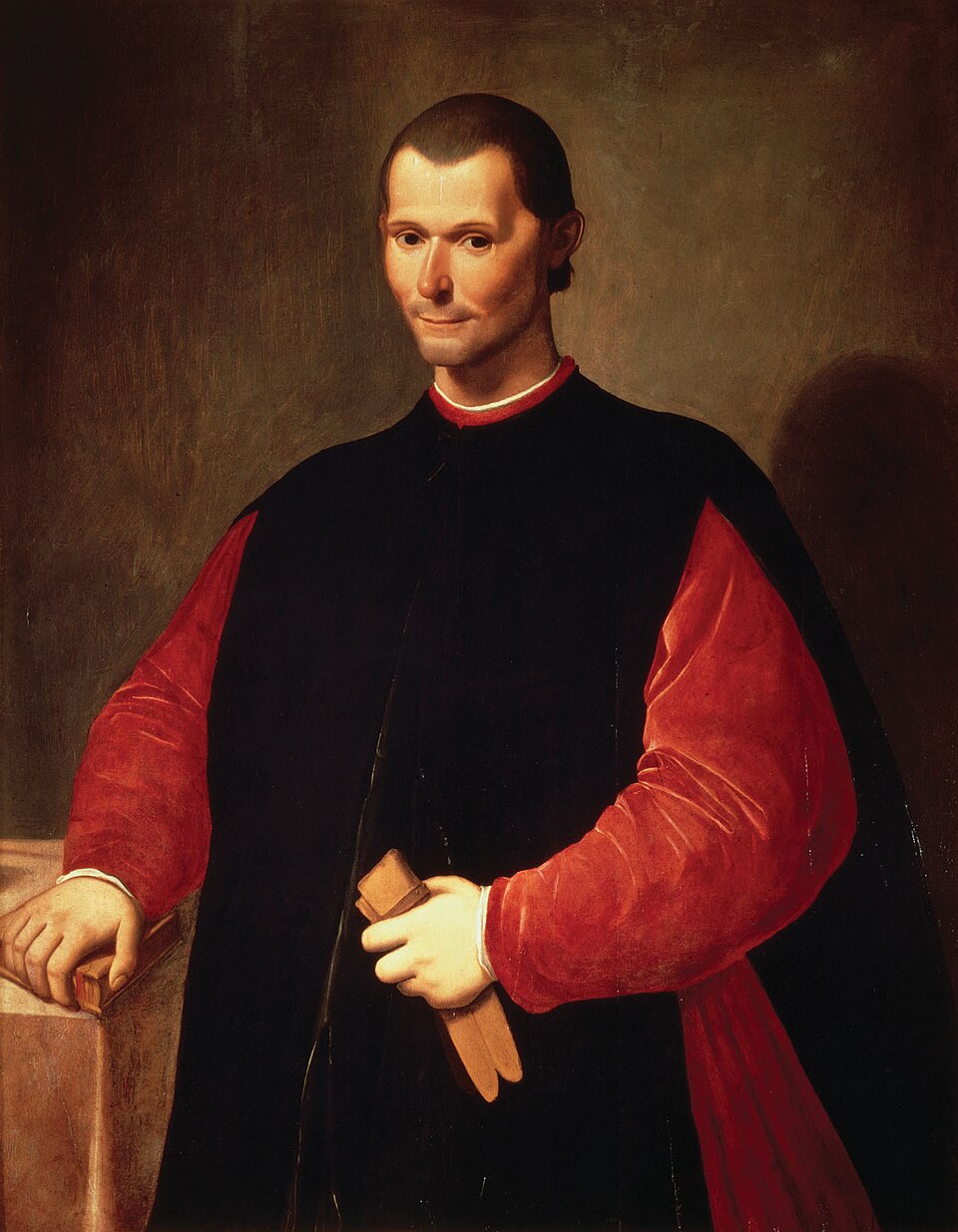
  • Portrait of Niccolò Machiavelli

    Niccolò Machiavelli

    1469–1527, Florence (republican secretary and diplomat, then exile, amid the Italian Wars)

    Paralysis in the Senate Is Not a Bug, It Is the Regime Defending Itself

    The SAVE America Act died the ordinary death of reforms that lack arms, while its authors mistook noise, pressure, and an all-nighter for real power.

    A chaotic all-nighter in the Senate that ends with the SAVE America Act “on the shelf” is not chaos to me; it is a regime behaving according to its nature. The president demands passage of the act and even the abolition of the filibuster. The Senate leader replies that such things were from the beginning “difficult if not impossible — frankly more impossible.” Meanwhile, senators boast that they will get some bill to the president’s desk on college athletics, and the chamber still finds the discipline to confirm an acting attorney general, Todd Blanche, despite resistance. Look at the effectual truth: where the regime feels real necessity, it moves; where it does not, it performs.

    Read the essay