Fifth Circuit En Banc Dismisses Alien Enemies Act Case as Moot
A Wartime Law in Search of a War
When a statute for invading armies is pointed instead at migrant labourers, the abuse of power is not merely legalistic; it corrodes both justice and the price system that sustains the poor.
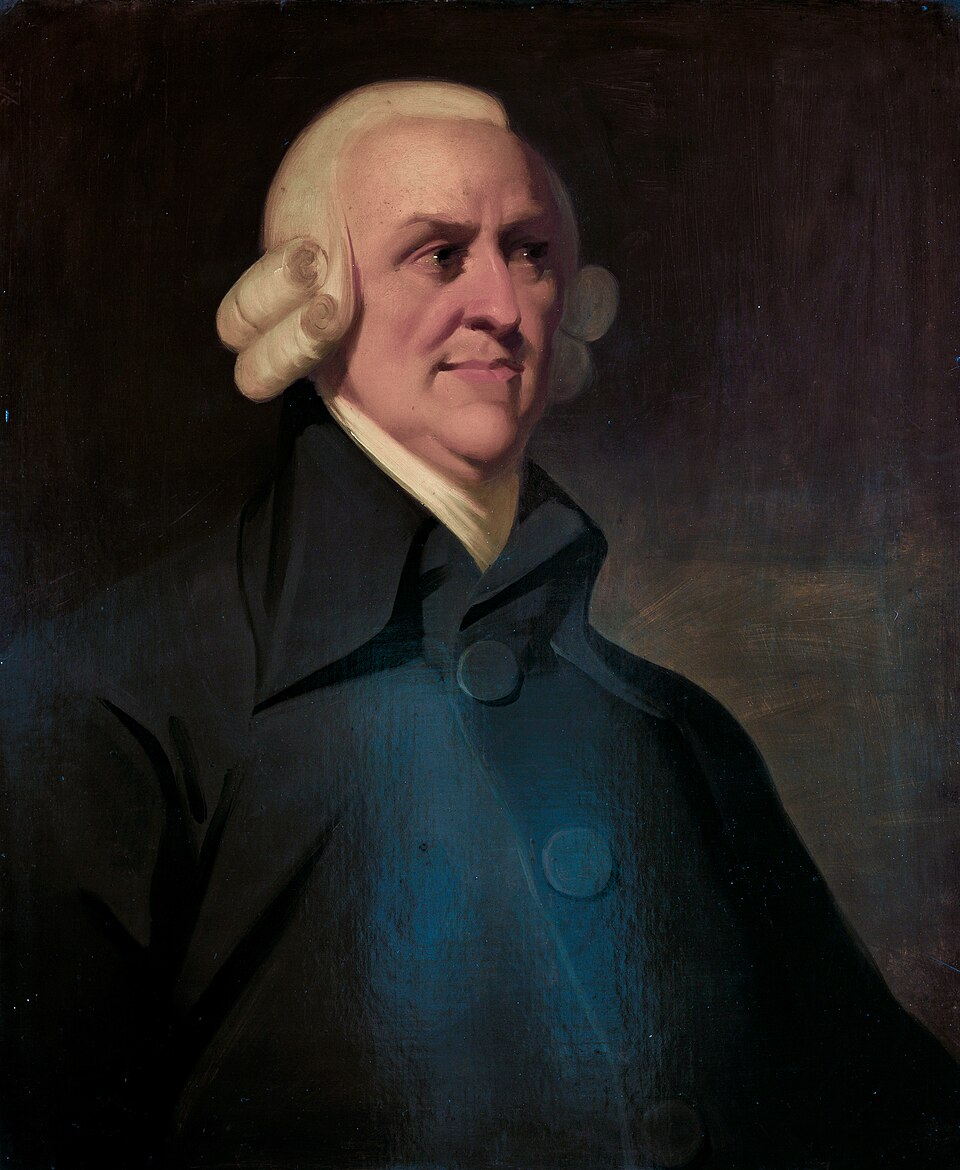
A law framed for enemies is now being stretched to fit the stranger at the gate. The Alien Enemies Act, devised in 1798 for moments of declared war or genuine invasion, has been wielded by a recent administration as an instrument of mass deportation in peacetime, directed against Venezuelans alleged to be members of a drug gang. A federal court has already ruled that illegal migration and smuggling are not an invasion of the kind the statute requires; the full court has since dismissed the case as moot, a lawyer’s way of leaving the sword where it fell. Yet the attempt to draw such a weapon is itself a revealing act of policy imagination.
In the Wealth of Nations I assigned to the sovereign three great duties: defence, the exact administration of justice, and certain public works and institutions. Defence is not a trifle. A state that will not secure its frontiers, or that suffers predatory incursions from foreign powers, fails in its first obligation to its people. But to say that defence is necessary is not to say that every harsh measure can be baptised as defence. When a law speaks of war and invasion, and an administration reads into those words any troubling movement at its borders, language itself is taken prisoner.
The economist’s first curiosity is always, who gains, and at what hidden expense? The visible beneficiaries of this strained interpretation are few and noisy: officials who may display energy without bearing its cost, and certain domestic interests that find in foreign scapegoats a convenient explanation for ills bred nearer home. The costs, by contrast, are dispersed and quiet. Migrants, many of them labouring poor who would otherwise add to the annual produce of the land and labour, are treated not as potential contributors but as latent enemies, and their communities are left in a state of perpetual precariousness that no price system can record.
In matters of trade I counselled the most suspicious attention when merchants petitioned for regulations that fell with peculiar weight upon their rivals. Here the petitioners are not traders but office-holders; yet the structure of the temptation is precisely the same. To rebrand crime as invasion, and poverty as incursion, is to narrow political competition by enlarging the realm of emergency. It allows rulers to enjoy the powers of war without the inconveniences of war’s accountability. The danger is not that one particular set of men is wicked, but that any set of men, so indulged, will discover the charms of ruling by alarm.
Much is said of criminal gangs, and no doubt some of the persons targeted are no ornaments to any society. Justice may and must lay hold of them under ordinary criminal law, where evidence is weighed, guilt is particular, and punishment is proportioned. The Alien Enemies Act, however, proceeds not by individual desert but by nationality and by the imputation of collective danger. It is a drag-net, not a scale. To require that officials distinguish, under the heat of political controversy, between the truly dangerous and the merely foreign, while armed with a wartime statute, is to build a scheme that depends upon an uncommon degree of self-command in its executors.
In The Theory of Moral Sentiments I invited the reader to consult an impartial spectator, a well-informed but disinterested observer, before approving any conduct. Let us ask what such a spectator would see. He would observe a law written for declared war and genuine invasions, invoked instead against migrants whose misdeeds, however real, are already punishable under existing statutes. He would note that the people most immediately affected are those with the least voice in the councils of state. He would perceive the pleasure, so often disguised as patriotism, of appearing vigorous at the expense of those who cannot answer.
When laws meant for enemies are turned upon mere strangers, the line between justice and expediency grows faint, and the poorest are the first to be pushed across it. A state that truly fears invasion will prove it, not by theatrical deportations, but by the sober maintenance of borders, courts, and ordinary policing. Where extraordinary powers are claimed for ordinary difficulties, one may be sure that the labouring poor will, in the end, pay in both liberty and livelihood for the convenience of their rulers. The impartial spectator, if we still cared to consult him, would call this not defence, but dereliction dressed in armour.
From the works cited
- An Inquiry into the Nature and Causes of the Wealth of Nations — The sovereign's three duties (defence, justice, public works and institutions) and the critique of mercantilism: policies rigged by merchants sacrifice the consumer to the producer.
- The Theory of Moral Sentiments — Judge conduct by the impartial spectator: what would a fair observer feel about this action?