Fifth Circuit En Banc Dismisses Alien Enemies Act Case as Moot
Stretching the Alien Enemies Act Was the Weak Man’s Strong Gesture
When a ruler drags an old war statute into a peacetime quarrel without building the legal and political dykes around it, he shows more appetite than virtù — and invites both judicial resistance and public doubt.
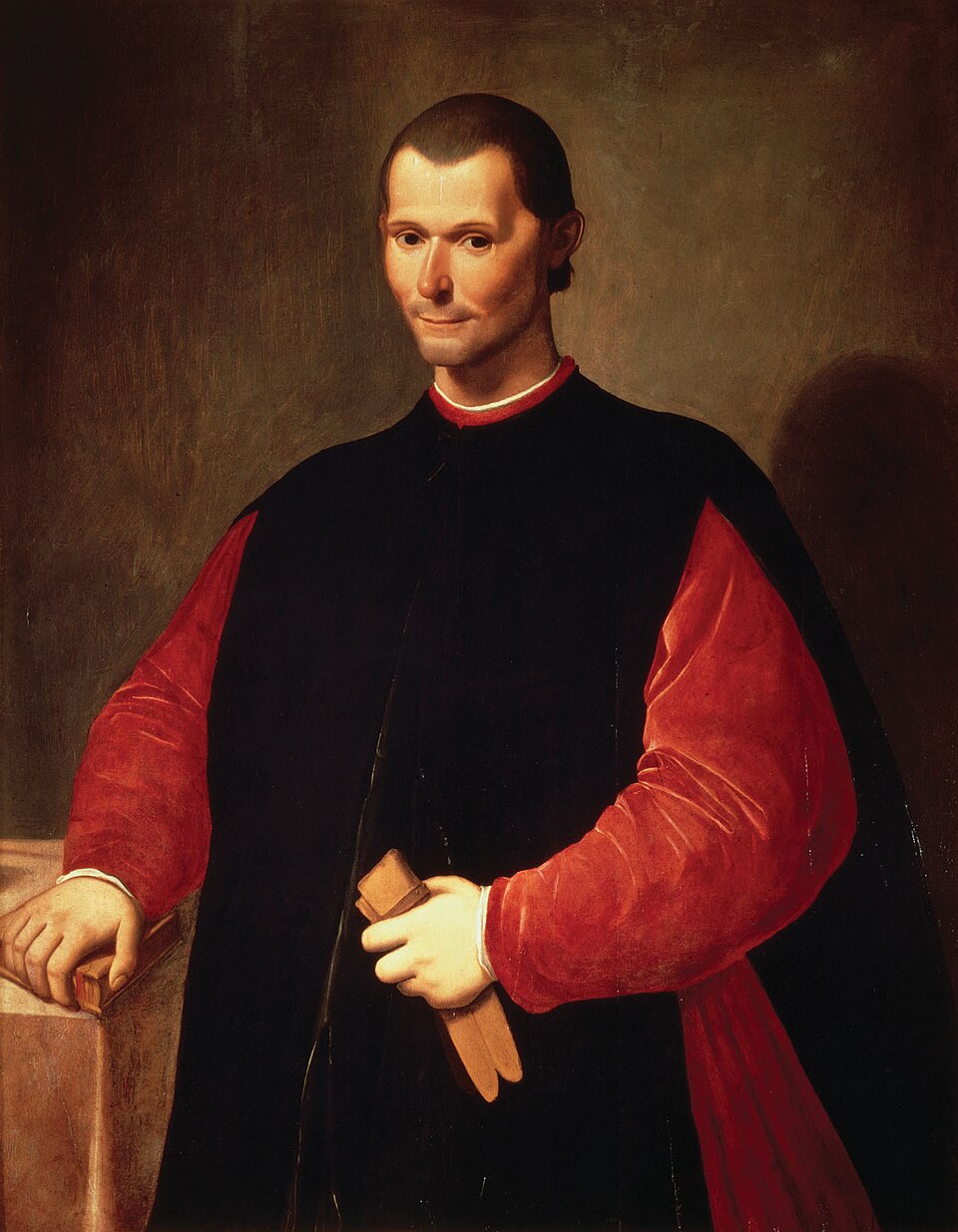
The episode is simple in its outline and tangled in its meaning. There exists in your laws an old weapon, the Alien Enemies Act, forged for moments of declared war or when a foreign government truly invades or makes a predatory incursion. A modern ruler seeks to use this weapon against Venezuelans his administration describes as members of a drug gang. The claim is that illegal migration and smuggling amount to a kind of invasion. A panel of judges in the Fifth Circuit answers that this is beyond the statute’s terms. Later, the full court dismisses the matter as moot, so the precise boundary remains fogged. The move is made, the arrow flies, but it lands in a marsh.
In The Prince, when I compared fortune to a raging river, I said, in W. K. Marriott’s translation, that she overwhelms where “barriers and defences have not been raised to constrain her.” Here the river is not an army but the judiciary and the legal culture that surrounds it. To invoke a law written for clear war in a time that your own institutions do not call war is to bet everything on interpretation, and to do so without first building a dam of precedents, alliances, and public persuasion is to stand naked on the bank. When the waters rise, you then call it bad luck, though the fault lies in your foundations.
A prudent ruler, before stretching an old text, first inquires into necessity. Is there no other instrument for removing dangerous foreigners? Are ordinary criminal laws, immigration statutes, and bilateral arrangements truly exhausted? The facts before me do not show such desperation; they show instead a taste for a more dramatic sword. When I argued in the Discourses, with Ninian Hill Thomson rendering my words, that founders must assume men are bad and design laws accordingly, I meant also that later rulers must respect the original design, or else confess openly that they are refounding by new modes and orders. To pretend that a war measure is merely a handy administrative tool is to eat your own constitution by small bites.
The court’s resistance matters more than the individual migrants at issue. Republics live by the friction between powers. When the Fifth Circuit first declares that drug smuggling and illegal migration are not an invasion within the statute, it draws a dyke line: here the executive may not pass with this justification. When the full bench later calls the case moot, it withholds a final, clarifying stroke, but the earlier signal remains in the minds of lawyers, officials, and citizens. A wise ruler anticipates such institutional self‑defence; he does not merely hurl a novel theory and hope the judges bow. To be surprised by checks is to confess that one has not studied one’s own republic.
There is also the question of appearance, which many princes mistake for mere ornament. Most people, I have written, judge more by the eye than by the hand. To the common observer, the use of a law meant for war to address gangs and smugglers in peacetime smells of bad faith, unless the danger is explained and proved in terms even the unlearned can grasp. You may in fact remove some individuals you call dangerous, but if you appear to be twisting words, you corrode trust in the very arms you wield. Reputation is a capital that pays interest slowly and can be squandered in a single theatrical gesture.
This maneuver also shows the danger of the middle course. The ruler did not declare a true war, which would have matched the statute’s spirit, but he spoke as if invasion existed for the narrow purpose of deportation. He did not seek a new law plainly tailored to gangs, which would have honored the legislature and fortified the republic’s orders, but he tried to smuggle new power through an old door. By not choosing either open refounding or strict obedience, he left himself exposed to both legal defeat and political suspicion. The middle course pleases a few flatterers and convinces no serious ally.
If I judge the matter by the effectual truth, the attempt failed on the field that matters most to a ruler: the alignment of force, law, and opinion. The legal weapon did not fire cleanly; the judges signaled their reluctance; the meaning of invasion remains contested; the precedent is muddy rather than solid. Fortune, in the form of a wary judiciary and a watchful public law culture, has shown her power where virtù did not prepare to resist her. The lesson is old: when you would maintain the state by extraordinary means, you must either truly found anew or keep faithfully within your laws; half‑foundings are how republics decay.
I remain unsure how far this episode reflects deep necessity rather than taste for spectacle, for my view of the underlying threat and alternative tools is narrow and second‑hand.
From the works cited
- The Prince — Virtù versus fortuna — the raging-river figure: preparation in fair weather is the whole difference between the drowned and the dry.
- The Prince — Arms of one's own versus mercenaries and auxiliaries: power borrowed is power owed, and it will be collected at the worst moment.
- Discourses on Livy — Founding and radical reform must assume men bad and design accordingly; only a single lawgiver can found, but only the many can maintain.