US Senators Raise Concerns Over Conditions on USS Abraham Lincoln Aircraft Carrier
A Superpower That Starves Its Own Sailors Is Weak by Choice
When an aircraft carrier rots from the inside to sustain an ‘indefinite’ blockade, the failure is not fortune but the command’s lack of virtù.
A great power has kept one of its floating cities at sea for nearly seven months, with some 5,000 souls aboard, and now pretends to be surprised that the city stinks. Senators speak of moldy showers, broken toilets, laundry down for weeks, long stretches without hot water, food reduced to a half cup of rice and two tortillas. Military publications repeat families’ reports of mental collapse and suicidal thoughts; a sailor goes overboard and must be rescued. All this on a ship that is supposed to be the tip of the spear in an “indefinite” blockade against Iran. When the spear’s point is rusting, the strategist must stop admiring his map and look at the metal.
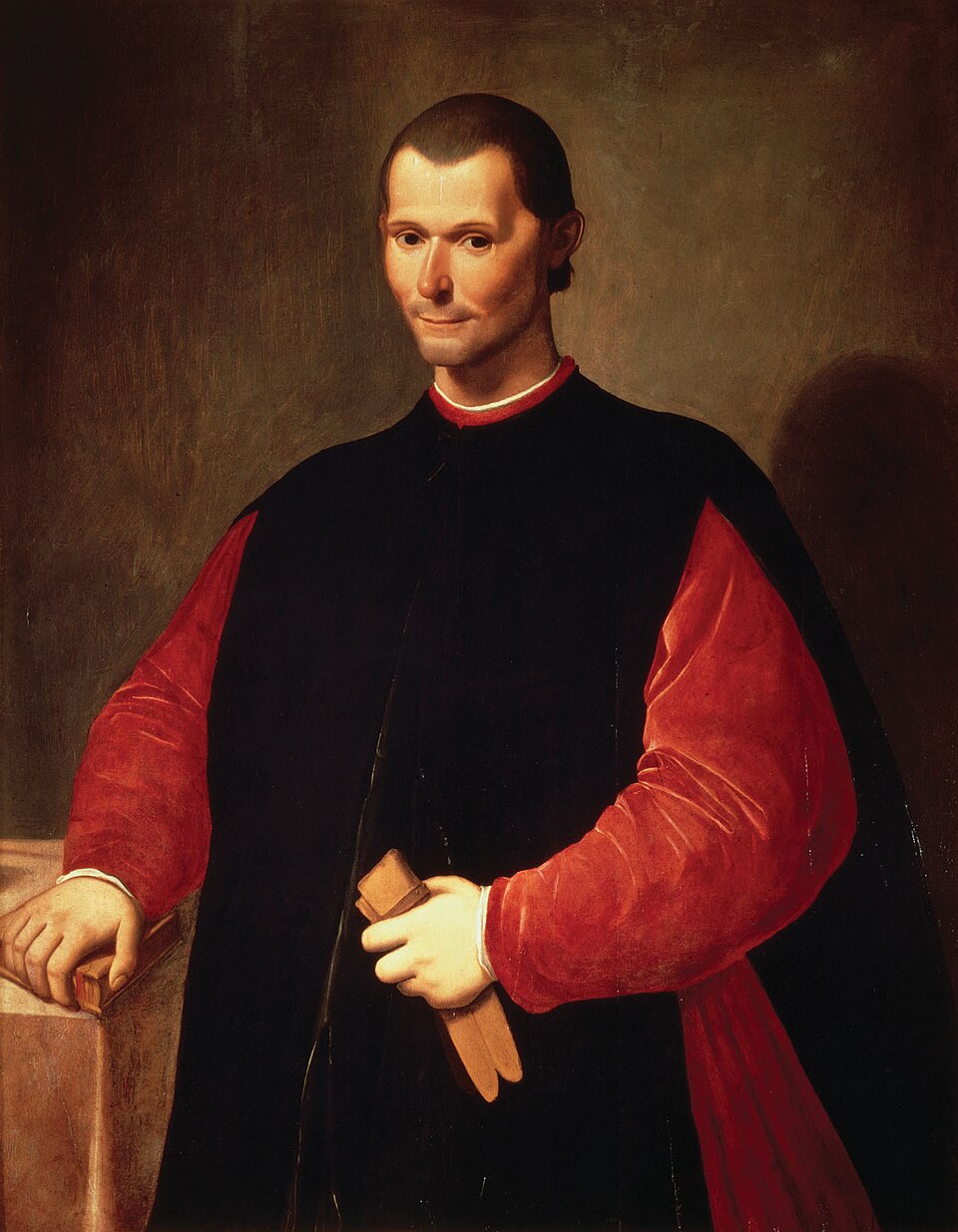
When I wrote in The Prince that one must look to the “effectual truth” rather than to imagined republics, I meant precisely this sort of case. On paper, the Navy maintains a powerful carrier force and sustains an operational tempo that intimidates adversaries. In effectual truth, one of its main instruments has become a prison of exhaustion, held together by habit and duty instead of by prudence from above. Leaders in such a system are not saints or devils; they are men bound by their survival imperative to maintain the state and its posture. The question is not whether they are sincere, but whether they are skilful.
Skilful they are not, when they forget that military power resides in men before it resides in steel. I learned in every Italian camp that discipline is a fragile thing: it lives on hope, rotation, and some minimum of bodily comfort. Rot those, and you invite desertion, self-harm, and mutiny, whether open or disguised. Reports of sailors driven to attempt jumping overboard are not simply a humanitarian concern; they are a red flare in the night telling you the line is about to snap. A prince who starves his soldiers or lets them live amid filth is not being severe; he is being stupid. Severity that destroys the instrument is self-indulgence, not statecraft.
In The Prince I compared fortune to a raging river that overwhelms those who have not raised dykes and barriers in fair weather, as translated by W. K. Marriott. Here the flood is a self-imposed one: an “indefinite” blockade whose political masters boast it can be sustained forever. Perhaps fortune required a long deployment; storms and enemies do not ask permission. But the failure to foresee that 250 days at sea would break plumbing, strain supply, and grind down minds is not fortune’s fault. It is the absence of virtù in preparation, in rotation plans, in maintenance and logistics. To extend operations while shrinking the moral and physical strength of your sailors is to lower the dykes as the waters rise.
I have always argued that a state must rely on its own arms, not on mercenaries or auxiliaries. Here the “arms of one’s own” are not only the carrier’s engines and aircraft, but the lived readiness of its crew. When those arms are exhausted, you are in fact relying on something borrowed: on the inertia of routines, on the sailors’ fear of shame, on families’ patience. These are auxiliaries of the most treacherous kind, because their collapse comes all at once. A blockade is a new order imposed on the seas; to defend that order with forces treated as expendable is to build new modes and orders on rotten beams. Power that eats its own muscle is not strong; it is desperate.
Appearances, in this, are not decoration but another battlefield. News of mold, broken toilets, and suicidal sailors does not stay inside the hull. It reaches the people at home, whose sons and daughters serve there, and it reaches the adversary, who watches to see whether the superpower’s resolve is steel or paper. When, as reported, legislators must beg for permission to visit the ship and conduct oversight, I see the same drama I praised in the Roman republic: tribunes and Senate locked in tumults that, properly channeled, preserved liberty. In the Discourses on Livy, in Ninian Hill Thomson’s translation, I wrote that such tumults were the cause of Roman greatness. Here, too, the quarrel between commanders and civilian overseers may yet save the institution, if it forces a ritorno ai principii about how forces are kept at sea.
Finally there is the question of severity and mercy. To keep a carrier at sea for record lengths is a severe policy; to let its crew live in squalor while pretending nothing is wrong is false mercy, the kind that buys applause from the ignorant and hatred from those who pay the price. The middle course—issuing soothing statements, making minor repairs, denying or delaying independent inspection—gives you the costs of both and the benefits of neither. The Romans learned this with legions left too long in the field without pay: delay bred not endurance but rebellion. If today’s leaders wish to maintain the state and its command of the seas, they must act decisively, restore order and dignity aboard their own ships, and remember that no blockade is stronger than the men asked to endure it.
From the works cited
- The Prince — Virtù versus fortuna — the raging-river figure: preparation in fair weather is the whole difference between the drowned and the dry.
- The Prince — Arms of one's own versus mercenaries and auxiliaries: power borrowed is power owed, and it will be collected at the worst moment.
- Discourses on Livy — The tumults between Senate and plebs, channeled through institutions like the tribunate, were the cause of Roman liberty — conflict as constitutional fuel, not constitutional failure.