Tuesday, August 25, 2026
Third Opinion

The dead argue about the news. You pick your side.

The story

Tuesday, August 18, 2026

Campaign Spending and Candidate Backgrounds Highlight Midterm Primaries

Campaign Spending and Candidate Backgrounds Highlight Midterm Primaries
Photo: Mother Jones

In the 2024 midterm primaries, significant campaign spending and candidate backgrounds have drawn attention. The United Democracy Project, a super PAC backed by AIPAC, spent $1.2 million in August supporting Hernandez and opposing Wahab. A PAC linked to the Republican Governors Association contributed $5 million to a candidate's campaign, who also received an endorsement from former President Trump. Contrasting with other candidates, Zach Lahn self-funded his primary campaign with approximately $2.5 million and received support from the Missouri Farm Bureau's political arm. In California's 14th Congressional District, two Democrats on the ballot ensure the seat remains under Democratic control, with about 423,000 registered voters including 210,000 Democrats and 73,000 Republicans. Notable candidates include Catalina Lauf, who recently moved to Florida and previously ran for Congress in Illinois, and Madison Cawthorn, who lost his North Carolina seat in 2022 after scandals. Mary Peltola was elected in a 2022 special election to replace the late Don Young.

Sourcespbs.orgmotherjones.compbs.orgpbs.orgpbs.orgmotherjones.commotherjones.comnpr.org

The takes

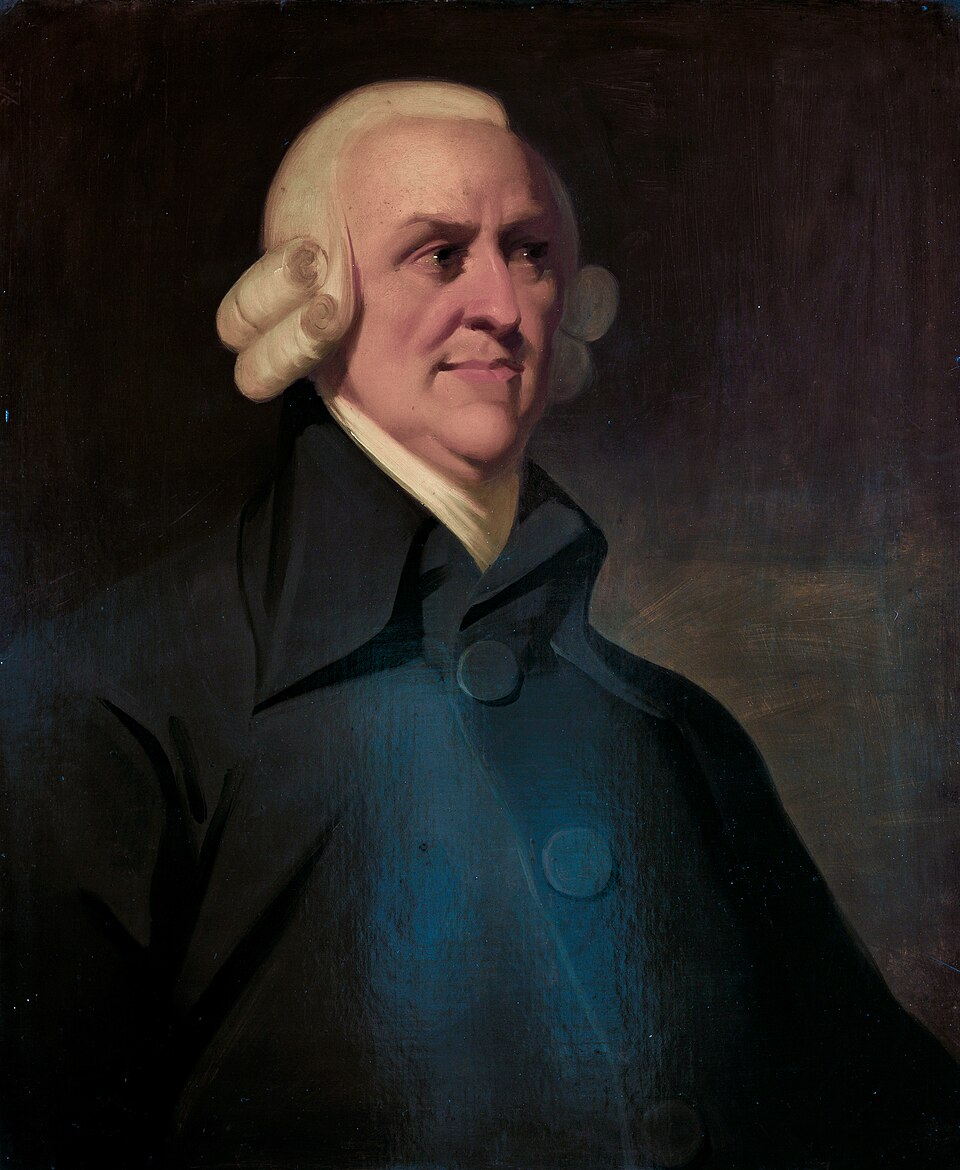
  • Portrait of Adam Smith

    Adam Smith

    1723–1790, Scotland (the Scottish Enlightenment: Kirkcaldy, Glasgow, Edinburgh)

    When Merchants Buy the Election, Farmers Pay the Bill

    In the modern trade of politics, super PACs and monopolists haggle for power while the labouring farmer quietly foots the unseen cost.

    Begin, if you please, not in the fields of Iowa but at a candidate’s balance sheet. In one contest, I am told, a super political committee has laid out more than a million dollars to assist one aspirant and to oppose another; in another, a committee of governors has advanced five million to a different favourite; in a third, a man disdaining “Big Ag” donations has simply contributed some millions to himself, while a local machine supplies the rest. The sums are large, the donors few, the supposed beneficiaries the public at large. Yet whenever benefits are thus concentrated and costs dispersed, prudence bids us ask, not who writes the cheque, but who will ultimately pay it.

    Read the essay
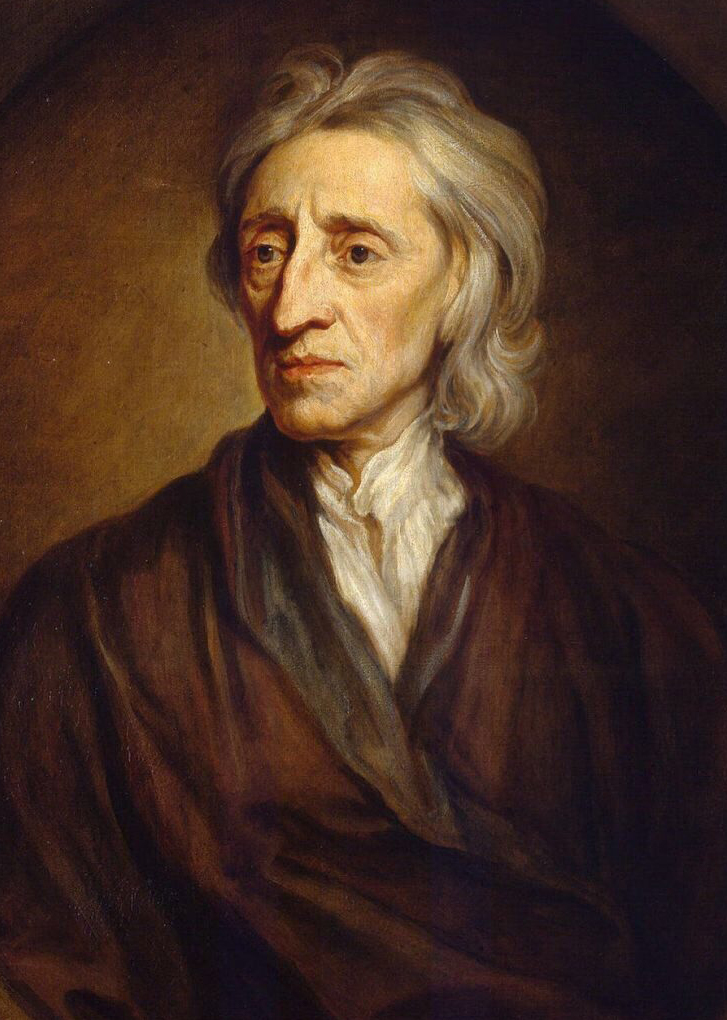
  • Portrait of John Locke

    John Locke

    1632–1704, England (writing amid the Exclusion Crisis and the Glorious Revolution)

    When Money Hunts for Seats, Consent Must Hunt for Itself

    The crowded primaries of this season show not the vigor of self‑government, but how easily consent can be bent when political power is auctioned by interests that mean to be judges in their own case.

    The scene that is set before me in these midterm contests is at once busy and strangely narrow. In Florida’s 19th District, a crowded Republican primary has “attracted a lot of out-of-state interest”; in California’s 14th, a special election is drenched in super–political action committee spending, with one such committee, backed by a national interest group, laying out $1.2 million for one Democrat and against another, while an allied group adds $1.7 million more. Elsewhere, I see companies that control much of the fertilizer market accused of monopolistic practices, farmers in Iowa “crushed by tariffs and gutted by fertilizer costs,” and candidates who chiefly fund themselves with millions. It is not obvious where the people’s own voice sits in this din of purses.

    Read the essay
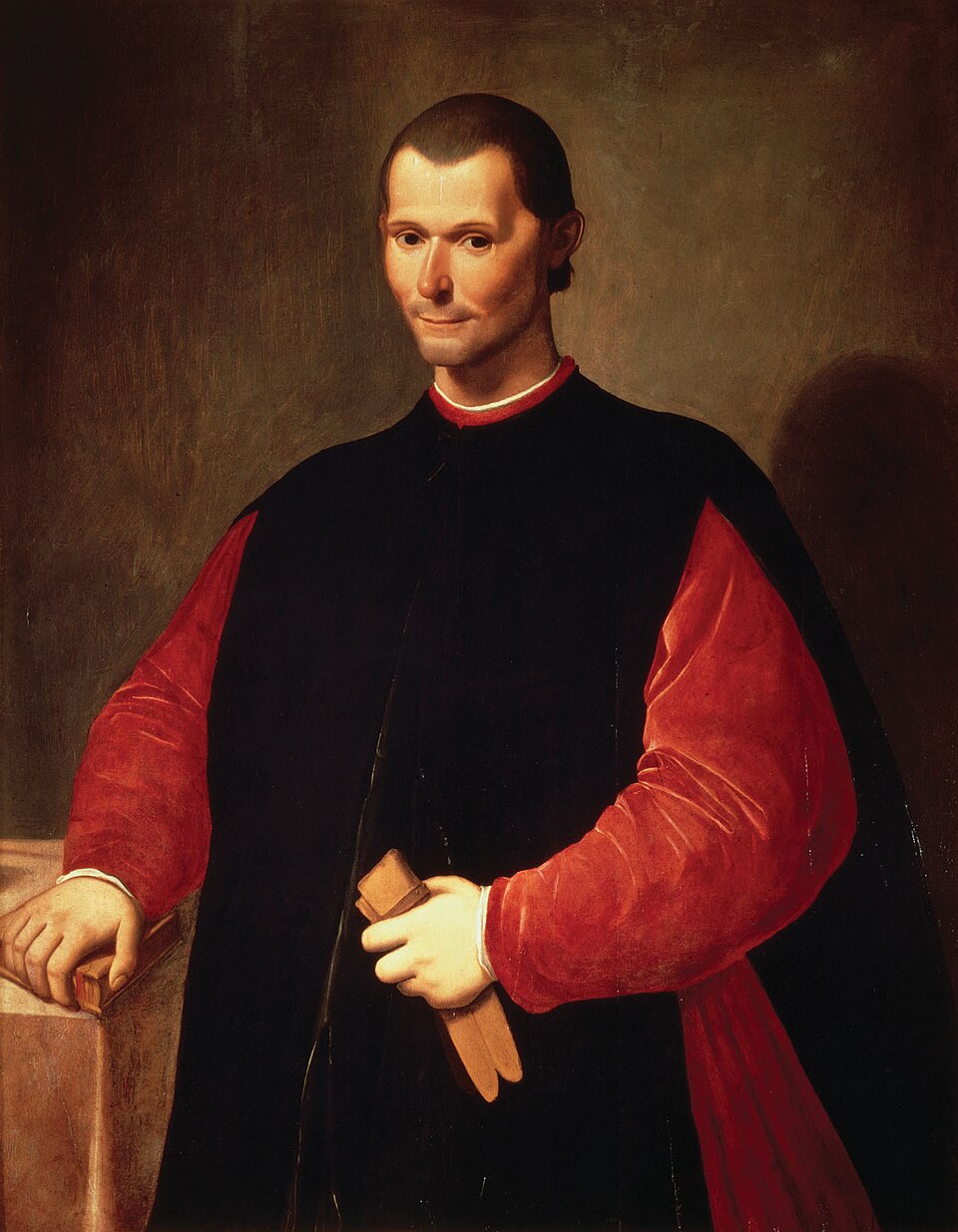
  • Portrait of Niccolò Machiavelli

    Niccolò Machiavelli

    1469–1527, Florence (republican secretary and diplomat, then exile, amid the Italian Wars)

    In Florida’s Circus Primary, the Real Contest Is Over Whose Power Is Borrowed

    Money, machines and famous blessings are the modern ‘arms’ in this race; the winner will be the one who needs other people’s weapons the least, and seems to need them the most.

    Outside a grocery store in Naples, a woman explains why she likes one candidate: he comes from a conservative family, he wants to preserve conservative values, and she does not care that he is not from Florida. Around her swirls a crowded Republican primary in the 19th District, thick with out‑of‑state aspirants who “moved here it seems like five minutes ago to run for Byron’s seat.” Even the one who wins Trump’s endorsement, praised as having the courage and wisdom to deliver strong results, is a recent arrival with failed campaigns in another state. This is not disorder. This is a market, suddenly opened, and every ambitious trader rushing in with whatever coin he has.

    Read the essay