Tuesday, August 25, 2026
Third Opinion

The dead argue about the news. You pick your side.

The story

Friday, August 21, 2026

Charter Plane Crashes Near Alaskan Military Radar Site, Killing Eight

Charter Plane Crashes Near Alaskan Military Radar Site, Killing Eight
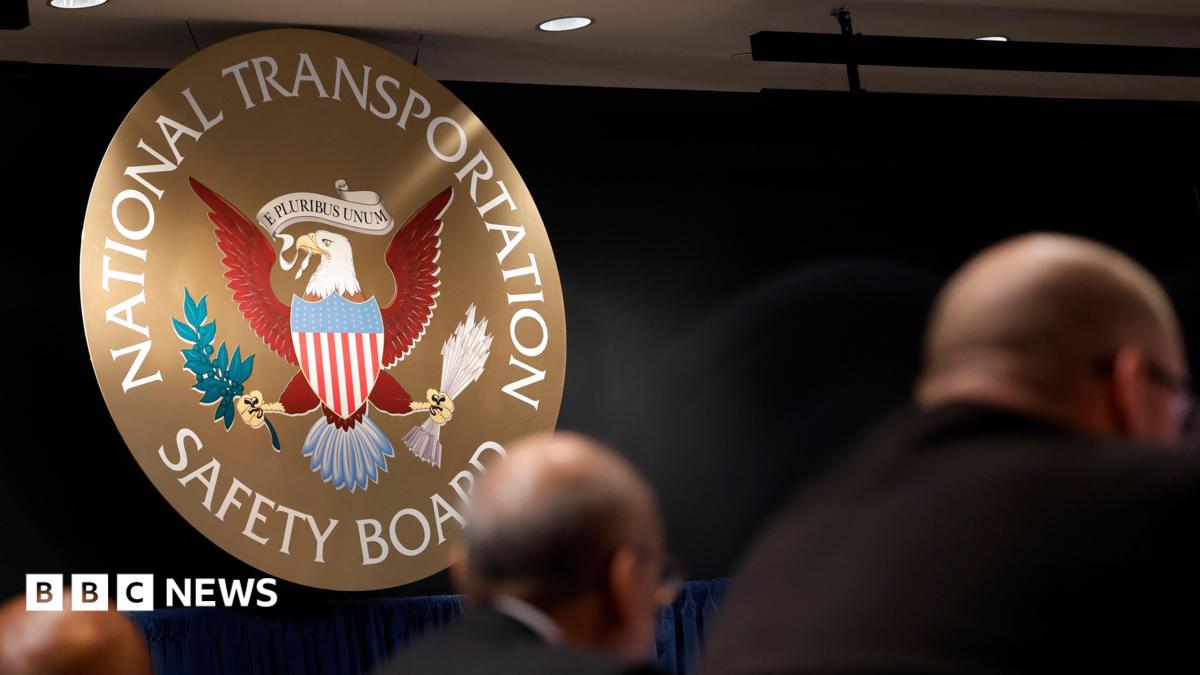
Photo: BBC World

A civilian-contracted charter plane crashed near Cape Newenham, Alaska, shortly after midday local time on Thursday, resulting in the deaths of all eight people on board, including two pilots and six passengers. The crash occurred near a long-range radar site airport in western Alaska. Rescuers confirmed there were no survivors at the scene. The identities of the passengers and the purpose of their presence remain unclear, though the US Air Force Alaskan Command chief described them as professionals engaged in a vital mission. The Alaskan Command is investigating the incident and will release the names of the deceased after notifying their families.

Sourcesbbc.co.ukaljazeera.com

The takes

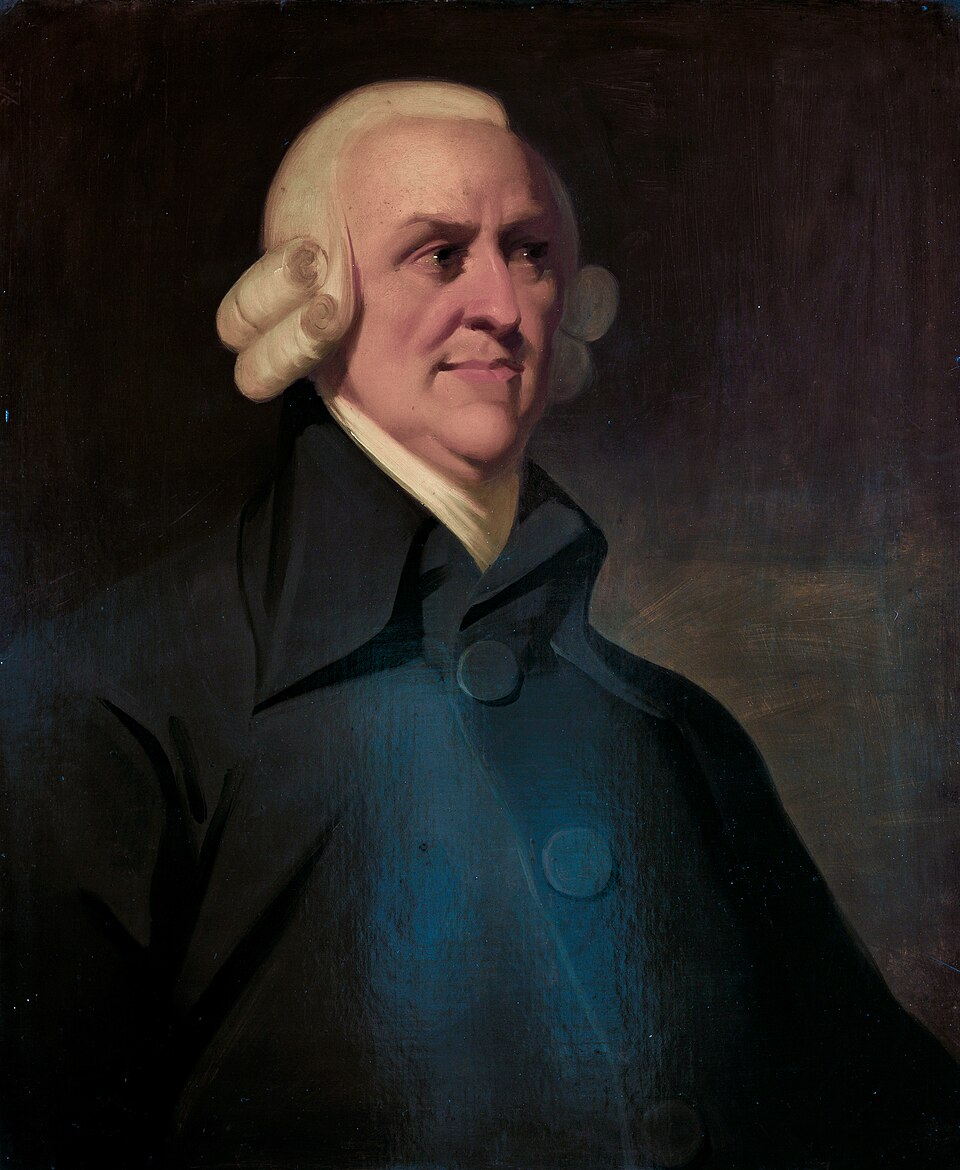
  • Portrait of Adam Smith

    Adam Smith

    1723–1790, Scotland (the Scottish Enlightenment: Kirkcaldy, Glasgow, Edinburgh)

    A Crash at the Edge of Empire and the Duties of the State

    A chartered plane lost at a remote radar site in Alaska reminds us that national defence is a public work purchased with quiet taxes, hidden risks, and the lives of professionals whose sacrifice markets alone could never properly reckon.

    A charter aircraft has fallen from the sky near a long‑range radar site in Alaska: two pilots, six passengers, no survivors, a “vital mission in a demanding environment” now reduced to blackened wreckage and a list of names yet to be told to their families. We are not informed precisely what business brought them there; we are told only that the site guards the airspace of a great power. That ignorance is disquieting for curiosity, but it is not fatal to judgment. We know enough to see a familiar pattern: the instruments of national defence extended to the most inhospitable frontiers, and civilians hired to bear part of the burden.

    Read the essay

  • Portrait of John Locke

    John Locke

    1632–1704, England (writing amid the Exclusion Crisis and the Glorious Revolution)

    A Remote Crash, a Vital Mission, and the Limits of Military Trust

    When eight people die on a chartered plane to a secretive radar site, the first duty of power is not self-praise for a ‘vital mission’, but a public account of how it guarded the lives entrusted to it.

    Eight persons are dead in western Alaska: two pilots and six passengers, flying in a civilian‑contracted aircraft toward a long‑range radar site near Cape Newenham, on what their military superiors call a “vital mission in a demanding environment.” The crash came shortly after midday; rescuers reached the site and found no survivors. The command speaks of a “devastating loss for our military family and the communities we serve,” and announces an investigation. Of the passengers themselves, we are told almost nothing: who they were, why they were there, by what chain of orders they came to be on that aircraft in that place. The flight is surrounded by power and purpose, but the dead are, as yet, nearly nameless.

    Read the essay
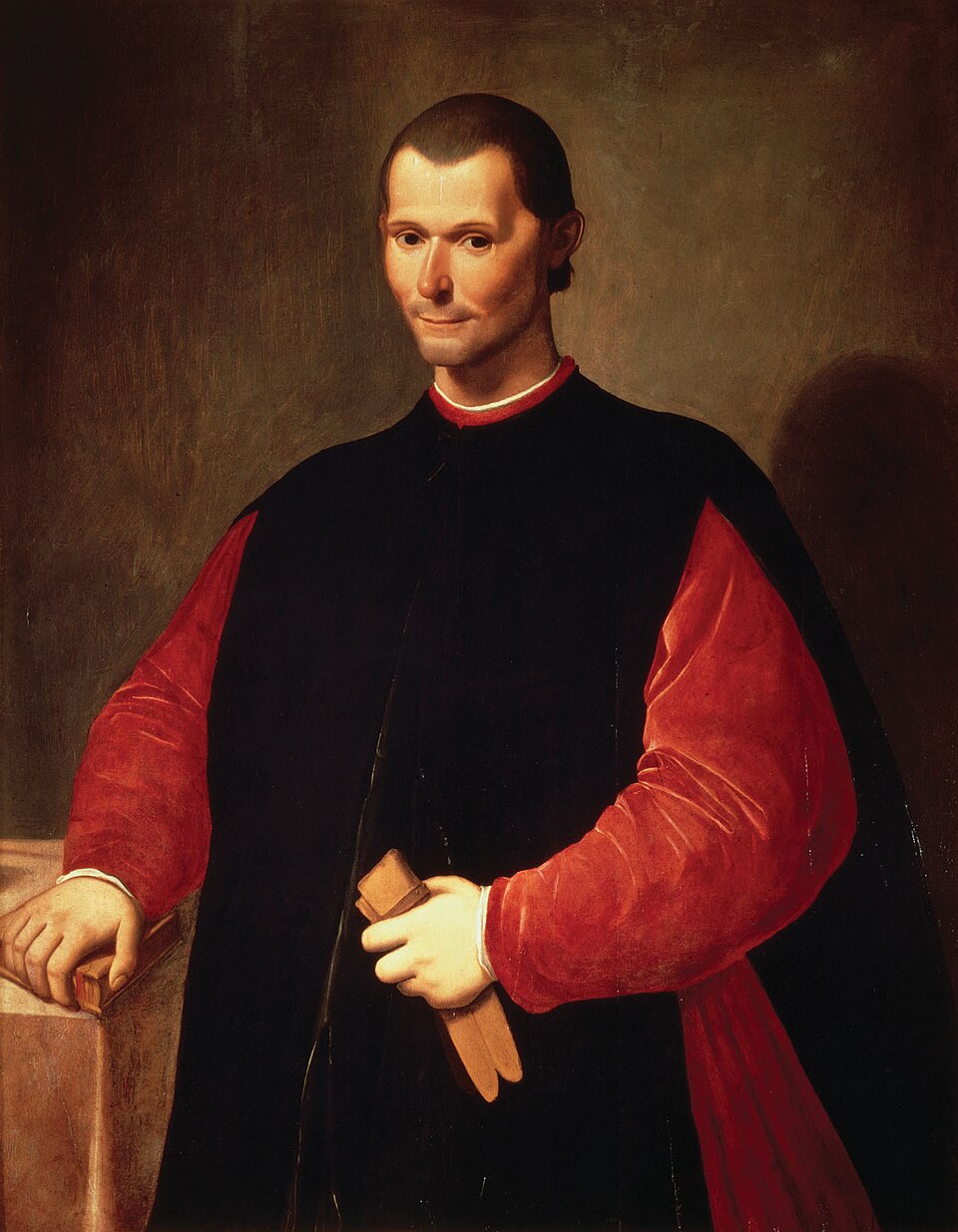
  • Portrait of Niccolò Machiavelli

    Niccolò Machiavelli

    1469–1527, Florence (republican secretary and diplomat, then exile, amid the Italian Wars)

    A Crash in Alaska, and the Cost of Borrowed Arms

    When a civilian charter falls from the sky on a vital military mission, the wreckage is not only metal but the state’s reliance on auxiliaries in place of its own arms.

    A charter plane goes down near a long‑range radar site in Alaska. Eight dead, two pilots and six passengers, “dedicated professionals carrying out a vital mission in a demanding environment,” as the commander calls them. It is not even clear who they were or why they were there. This, to me, is the first signal. Where the task is vital, the chain of command and the purpose of each actor should be as clear as a well‑drawn battle line. When the fog of war appears in peacetime logistics, it usually means the state has stretched its instruments until they are half public, half private, and therefore fully exposed.

    Read the essay