Tuesday, August 25, 2026
Third Opinion

The dead argue about the news. You pick your side.

The story

Friday, August 21, 2026

North Korea Fires Missiles Following US-South Korea Military Drill Adjustments

North Korea Fires Missiles Following US-South Korea Military Drill Adjustments
Photo: The Hill

North Korea launched approximately 10 short-range ballistic missiles toward the sea on August 20, shortly after US President Donald Trump announced plans to meet North Korean leader Kim Jong Un later this year. The missile launches followed a series of earlier missile tests and came after the US and South Korea reduced the size and duration of their joint military drills. Kim Yo Jong, a senior North Korean official and sister of Kim Jong Un, stated that the provocative nature of the drills remains unchanged despite the reductions and expressed unawareness of any communications between Kim and Trump following the drill adjustments. US efforts to shorten the drills were partly intended to pressure South Korea to increase its investment in the US in exchange for lower tariffs. Analysts note that Trump views the US-South Korea relationship as a complicating factor in negotiations with North Korea.

Sourcesnpr.orgthehill.commotherjones.comaljazeera.comtheguardian.commotherjones.com

The takes

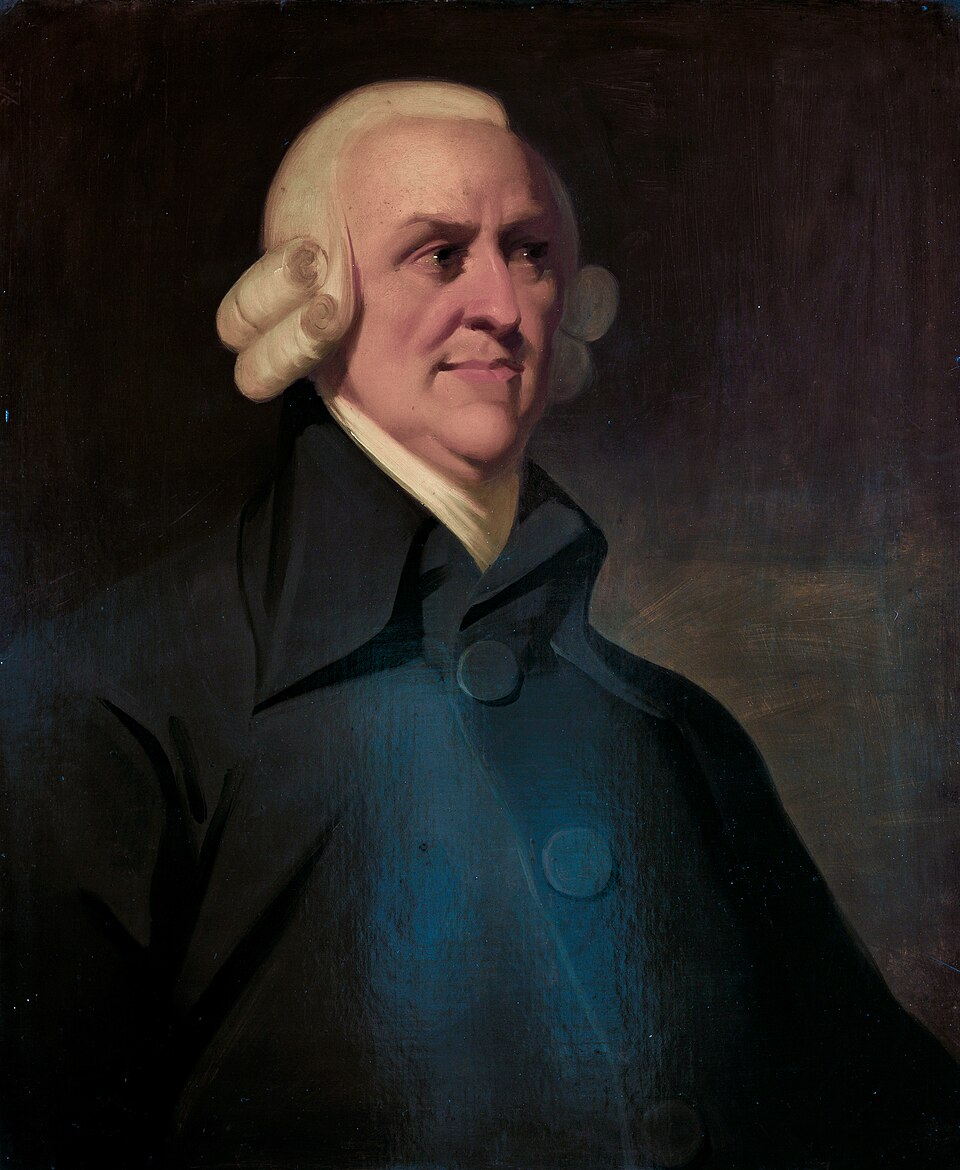
  • Portrait of Adam Smith

    Adam Smith

    1723–1790, Scotland (the Scottish Enlightenment: Kirkcaldy, Glasgow, Edinburgh)

    Bargaining with Bayonets: When Defence Becomes a Tariff Chip

    Turning joint military drills into a lever for investment and tariffs mistakes the market’s logic for war’s, and risks squandering a hard‑won peace dividend for a very visible, very narrow gain.

    We are told that annual war games between the United States and South Korea have been cut short, after the president ordered these “inappropriate and hostile” drills scaled back. A South Korean official, Cho Hyun, explains that this shortening was intended in part to press his country to hasten $350 billion of investment in America, in exchange for lower tariffs. The coins upon the table, then, are not merely steel and soy, but missiles and manoeuvres. When I wrote in *The Wealth of Nations* of tracing every regulation to its effects upon prices, I did not imagine that exercises in which armies rehearse their own survival would themselves be treated as a kind of sliding scale.

    Read the essay

  • Portrait of John Locke

    John Locke

    1632–1704, England (writing amid the Exclusion Crisis and the Glorious Revolution)

    Scaling Back Shields While Missiles Fly Is Not Prerogative, But Breach of Trust

    When an executive trims joint defenses to squeeze an ally’s purse while an open adversary tests its missiles, he ceases to govern for protection and begins to rule by arbitrary will.

    I begin from what is reported, for I will not go beyond it. Annual war exercises between the United States and South Korea were cut short “around a week earlier than planned,” after the president of the former ordered the “inappropriate and hostile” drills scaled back. A South Korean official, Cho Hyun, further said this order was intended in part to hasten South Korea’s promised investment of $350 billion in the United States in exchange for lower tariffs. All this occurred while North Korea, before and during the exercises, fired barrages of short-range ballistic missiles into the sea and spoke of a “new level of a deterrent.” Against this stage we must judge the authority exercised.

    Read the essay
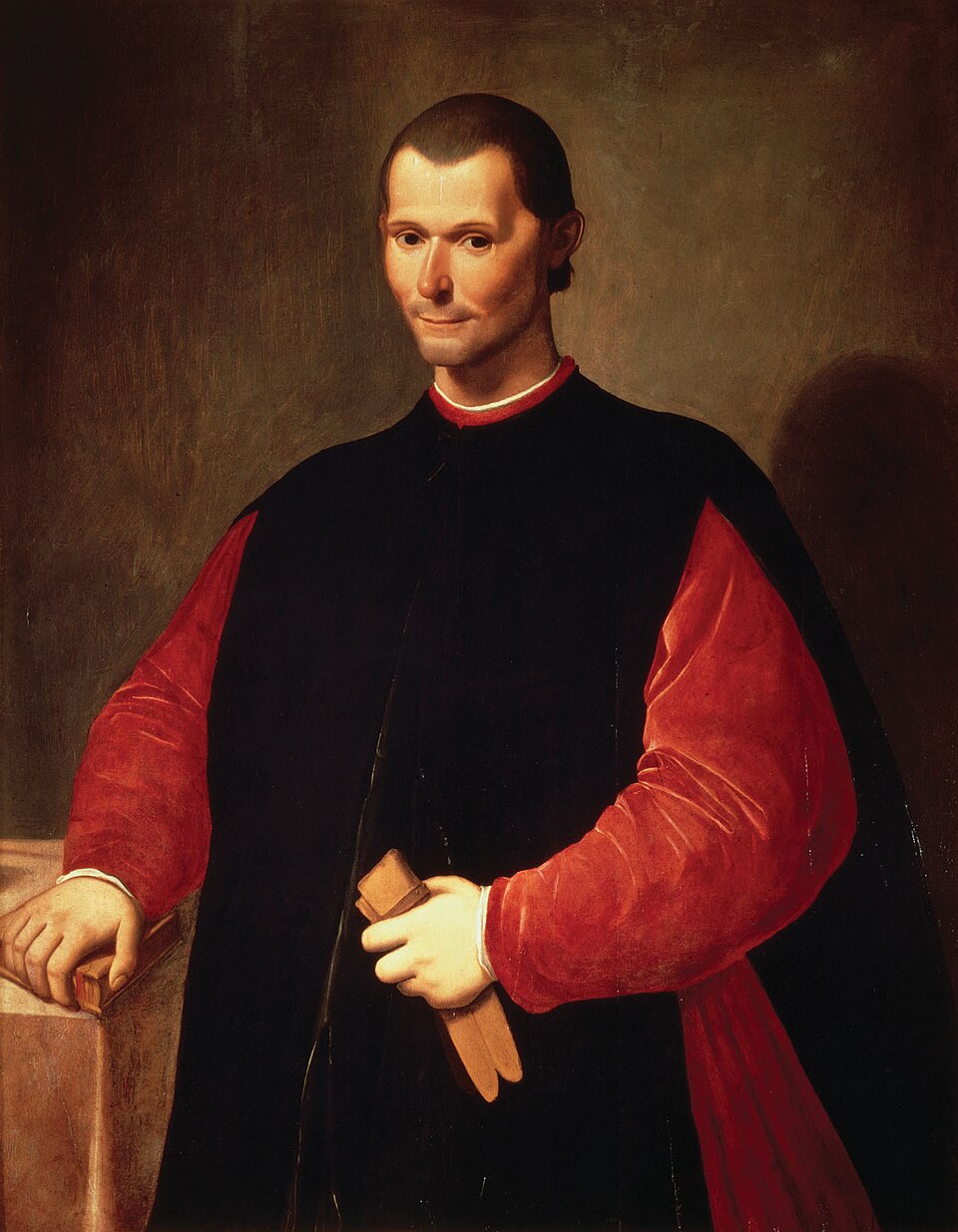
  • Portrait of Niccolò Machiavelli

    Niccolò Machiavelli

    1469–1527, Florence (republican secretary and diplomat, then exile, amid the Italian Wars)

    Cutting Drills, Cutting Credibility

    When a prince trims his own maneuvers to court an enemy and squeeze an ally, he teaches both how little his promises are worth.

    A prince who shortens a military exercise in the middle of a tense frontier tells you two things at once: where he thinks the real battle lies, and how he prices risk. Here the order to scale back the Ulchi Freedom Shield drills is said to serve a trade design, pressuring South Korea to hurry a vast investment into the United States in exchange for tariff relief. So the field where soldiers practice for war becomes a bargaining chip in a commercial negotiation. This is not new. In my time, princes sold fortresses for dowries. But when a fortress is in pawn, everyone studies who holds the keys and who pays the interest.

    Read the essay