Tuesday, August 25, 2026
Third Opinion

The dead argue about the news. You pick your side.

The story

Sunday, August 23, 2026

Judge Rules Against 75-Country Visa Ban Citing Legal Violations

Judge Rules Against 75-Country Visa Ban Citing Legal Violations
Photo: Mother Jones

A federal judge ruled that a policy directing consular officers to refuse immigration visas to applicants from 75 countries was illegal and exceeded the Secretary of State's authority. The policy, initiated in January by Secretary Marco Rubio, targeted nationals from countries in Africa, Latin America, the Middle East, and Eastern Europe, based on claims that these immigrants were more likely to rely on public benefits. The Immigration and Nationality Act of 1952 prohibits discrimination based on nationality in visa issuance. The judge found the policy effectively banned immigrant visas to nearly 40% of the world's countries and contradicted existing law. The government retains the option to appeal the decision. Historically, U.S. immigration restrictions have included "public charge" rules aimed at limiting entry of individuals deemed likely to strain public services, a practice rooted in 19th and early 20th-century policy frameworks.

Sourcesmotherjones.comnpr.orgreason.comtheguardian.com

The takes

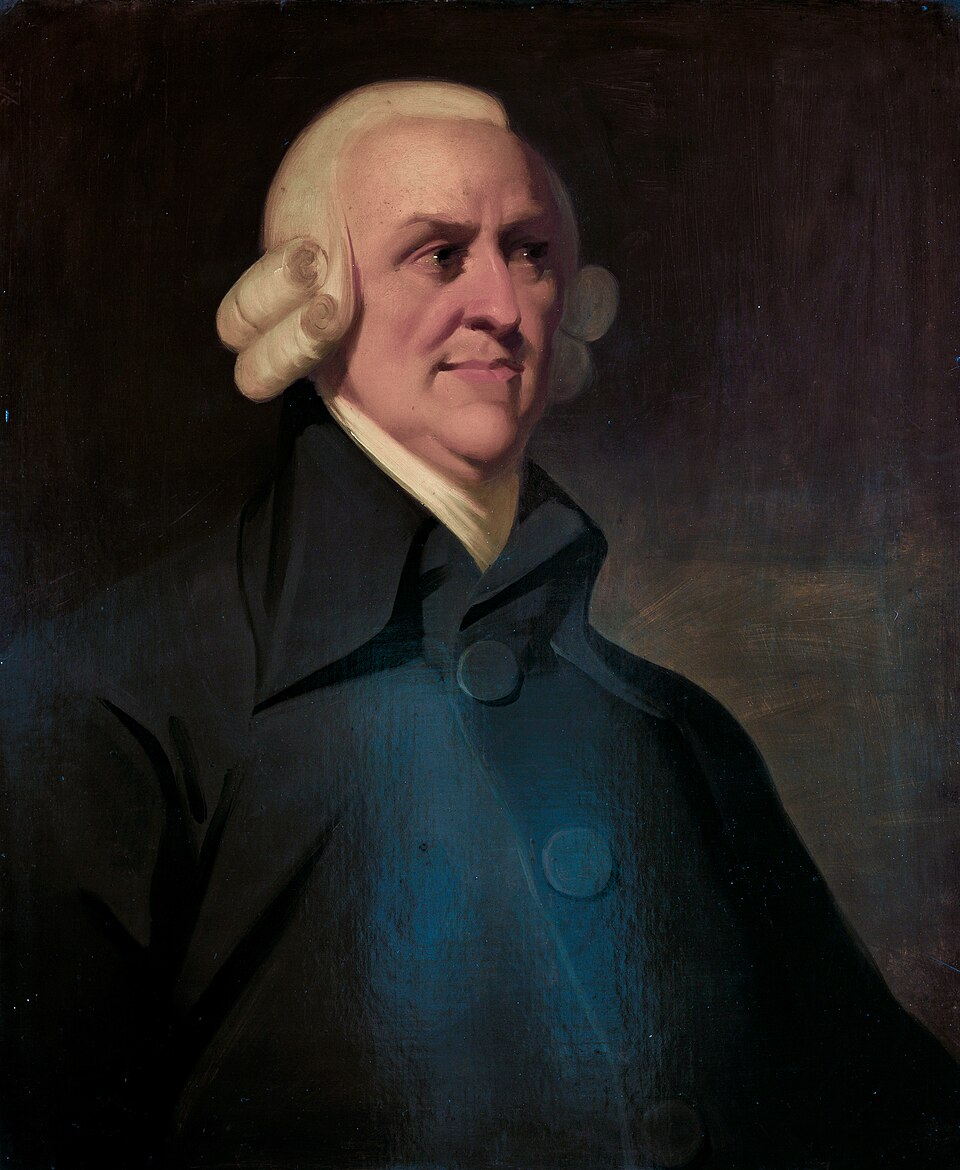
  • Portrait of Adam Smith

    Adam Smith

    1723–1790, Scotland (the Scottish Enlightenment: Kirkcaldy, Glasgow, Edinburgh)

    The 75‑Country Visa Ban Is a Tariff on People, Paid in Human Lives

    By forbidding visas to whole nations in order to repel imagined paupers, the United States has taxed its own prosperity and its own conscience at once.

    The policy is, in its outline, brutally simple. A secretary of state instructed consular officers to refuse immigrant visas to persons from seventy‑five countries, all, we are told, in Africa, Latin America, the Middle East, or Eastern Europe. The stated reason was not that these people had committed crimes, carried contagion, or plotted violence, but that they would be more likely than others to “extract wealth” or “take welfare and public benefits” from the United States. A judge has now ruled that this near‑blanket prohibition, touching almost two‑fifths of the world’s countries, violated a statute forbidding discrimination by nationality and exceeded the secretary’s lawful authority. The grand scheme was sweeping in its ambition and remarkably careless in its legal footing.

    Read the essay

  • Portrait of John Locke

    John Locke

    1632–1704, England (writing amid the Exclusion Crisis and the Glorious Revolution)

    A 75‑Country Visa Ban Is Not Law but Force

    When an officer of state freezes the lawful hopes of nearly half the world without evidence or authority, he does not govern; he usurps, and must be stopped by an impartial judge if the people are not to appeal to heaven themselves.

    I begin not with borders but with men. By nature, as I argued in the Second Treatise, men are in a state of perfect freedom and equality, each the workmanship of one Maker, sent into the world about His business, with a right to preserve himself and those he is tied to in life, liberty, and estate. No one starts entitled to command another. Political power is therefore a trust, taken up only to protect these rights better than they could be secured in that state of nature. Whatever goes beyond that end, or crosses it, does not enjoy the name of government in any true sense. It is force wearing the borrowed robes of law.

    Read the essay
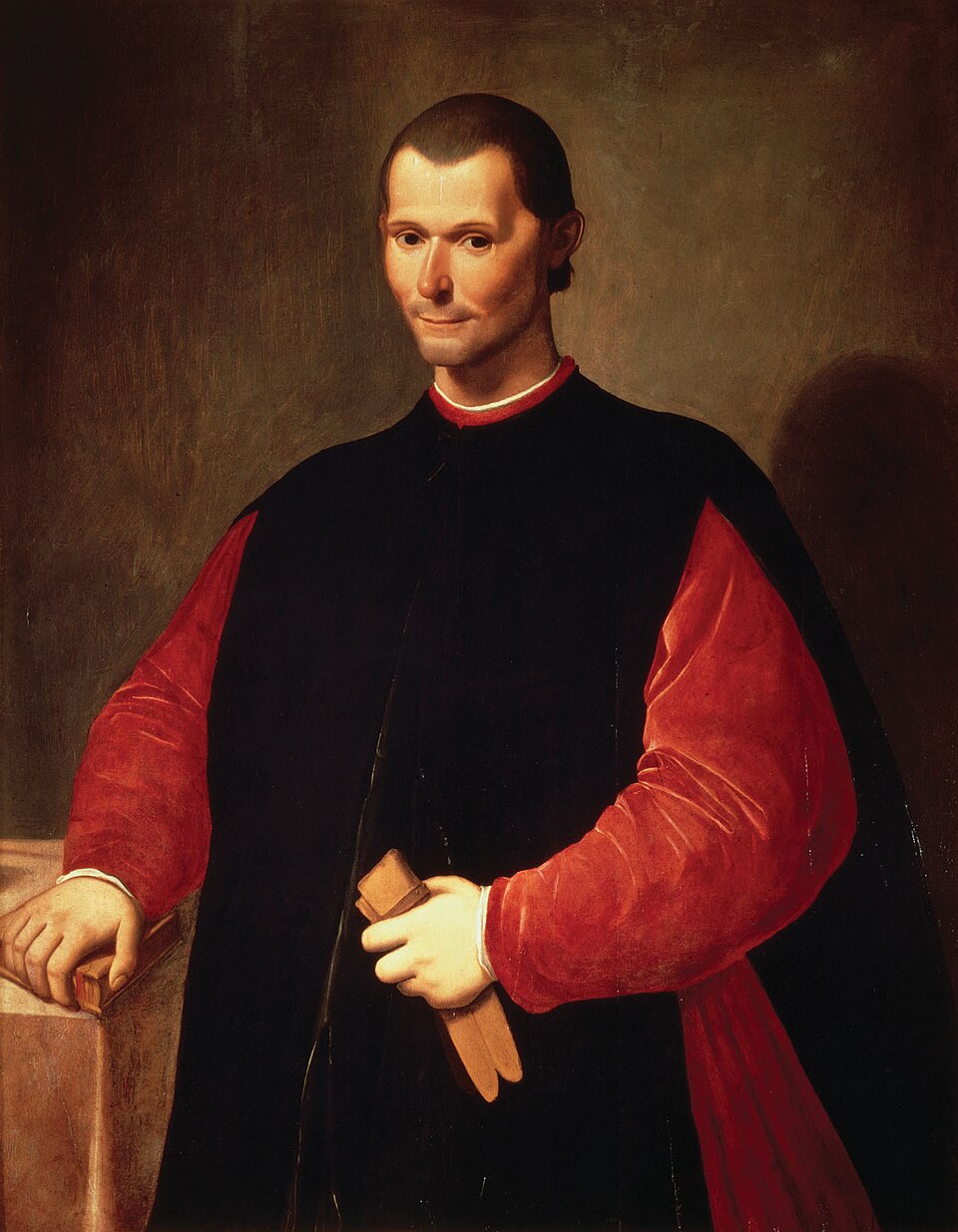
  • Portrait of Niccolò Machiavelli

    Niccolò Machiavelli

    1469–1527, Florence (republican secretary and diplomat, then exile, amid the Italian Wars)

    A Visa Ban Without Arms Is Merely a Gesture

    When a ruler flings a sweeping decree against the law that sustains his own state, he does not prove his strength; he advertises his weakness.

    This administration’s secretary of state orders consuls, in one stroke, to stop processing immigrant visas for nationals of seventy‑five countries. The stated fear is that such people will come only to “extract wealth” or “take welfare and public benefits.” Nearly forty percent of the world thus learns, by cable and rumor, that the door is barred to them in advance, whatever their individual merits. Then a federal judge declares the measure contrary to law and beyond the secretary’s authority, pointing to statutes that forbid discrimination by nationality in issuing visas. The government may appeal, but the effectual truth today is simple: a vast ban proclaimed with fanfare, and then halted by the ordinary operation of the courts.

    Read the essay