Tuesday, August 25, 2026
Third Opinion

The dead argue about the news. You pick your side.

The story

Sunday, August 23, 2026

US and Canada Impose Reciprocal Tariffs After Trade Talks Collapse

Negotiations between the United States and Canada ended unsuccessfully over the weekend, leading the Trump administration to impose a 50 percent tariff on Canadian goods. Jamieson Greer, the U.S. trade representative, detailed the terms of the offer made to Canada prior to the breakdown in talks. In response, Canadian Prime Minister Mark Carney announced a retaliatory tariff on U.S. products during a Saturday press conference, stating that Canada would match Washington's tariff measures. These developments mark a significant escalation in trade tensions between the two neighboring countries.

Sourcesthehill.compbs.orgmotherjones.comthehill.comnpr.orgnytimes.combbc.co.uktheguardian.comtheguardian.com

The takes

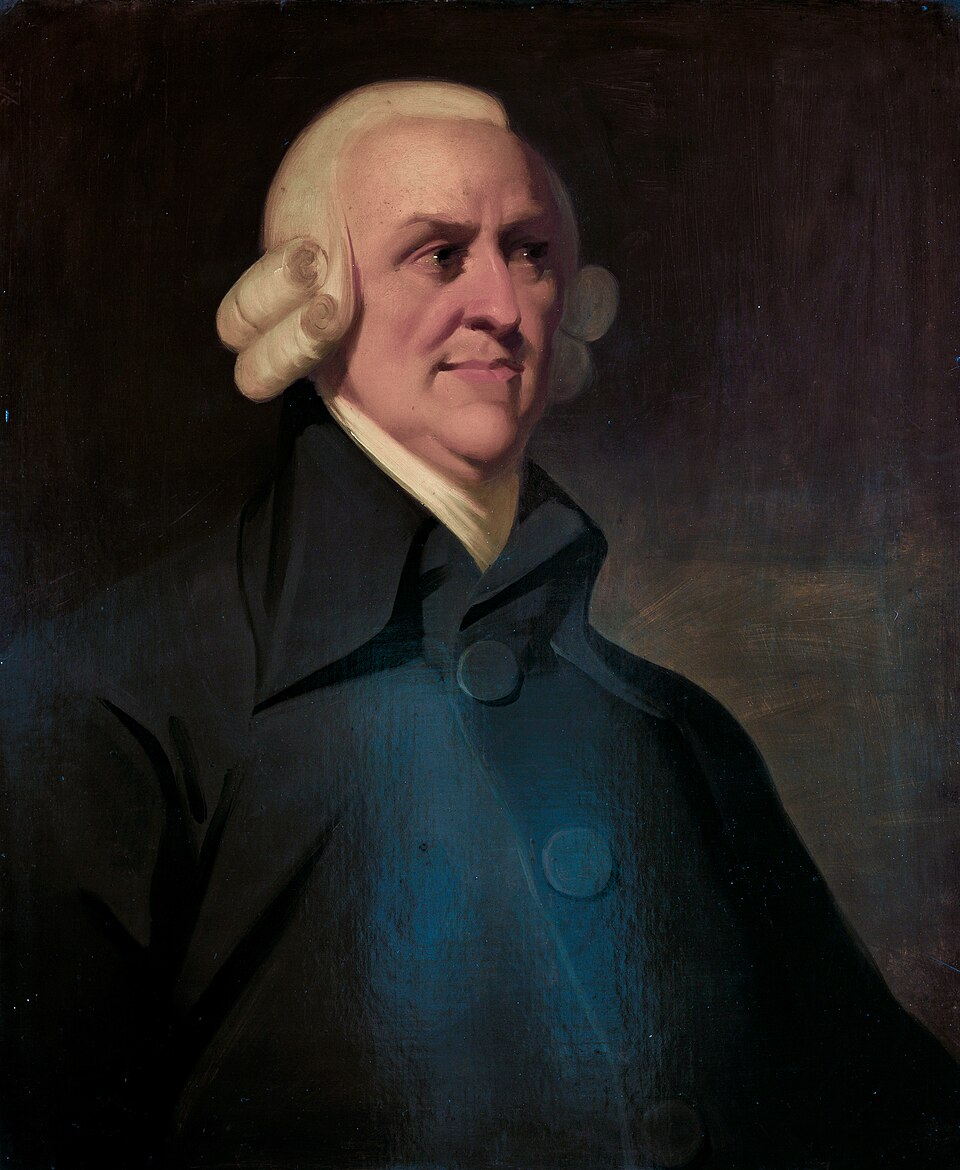
  • Portrait of Adam Smith

    Adam Smith

    1723–1790, Scotland (the Scottish Enlightenment: Kirkcaldy, Glasgow, Edinburgh)

    A Tariff War Between Friends Is a Conspiracy Against Their Own Public

    When two neighbouring nations raise 50 percent walls against one another’s goods, they do not defend their people; they tax them for the benefit of a few loud interests and call it patriotism.

    The event is simple enough. Negotiations between two great neighbours have failed; one government has imposed a tariff of fifty per cent upon the goods of the other; the second announces it will “match” what the first has done. The language is that of war and retaliation, as if bales and barrels marched like battalions. Yet no army will pay the duty at the frontier. It will be paid, in the first instance, by shopkeepers and manufacturers who import, and in the last resort by the families who buy—by the labouring mechanic furnishing his house, by the mother feeding her children. War is declared, but the battle is fought in their purse.

    Read the essay

  • Portrait of John Locke

    John Locke

    1632–1704, England (writing amid the Exclusion Crisis and the Glorious Revolution)

    Tariffs Without Consent Are Taxes Without Right

    When an executive can, at a stroke, burden the trade of millions with a 50 percent duty, the question is not whether the negotiation was shrewd, but whether such power was ever justly entrusted to him at all.

    Negotiations between the United States and Canada, I am told, have lately broken down, and the executive of the former has thereupon imposed a 50 percent tariff upon its northern neighbour, to which the Canadian prime minister has answered with matching duties in return. The language of a “trade war” is already abroad. I confess I am less moved by the noise of that phrase than by the quieter facts that lie beneath it: a single will, acting after failed talks, can raise by one half the legal burden on a vast commerce, and do so, it seems, without new deliberation by the people’s representatives. This, not the sharpness of the rate, is the hinge of the matter.

    Read the essay
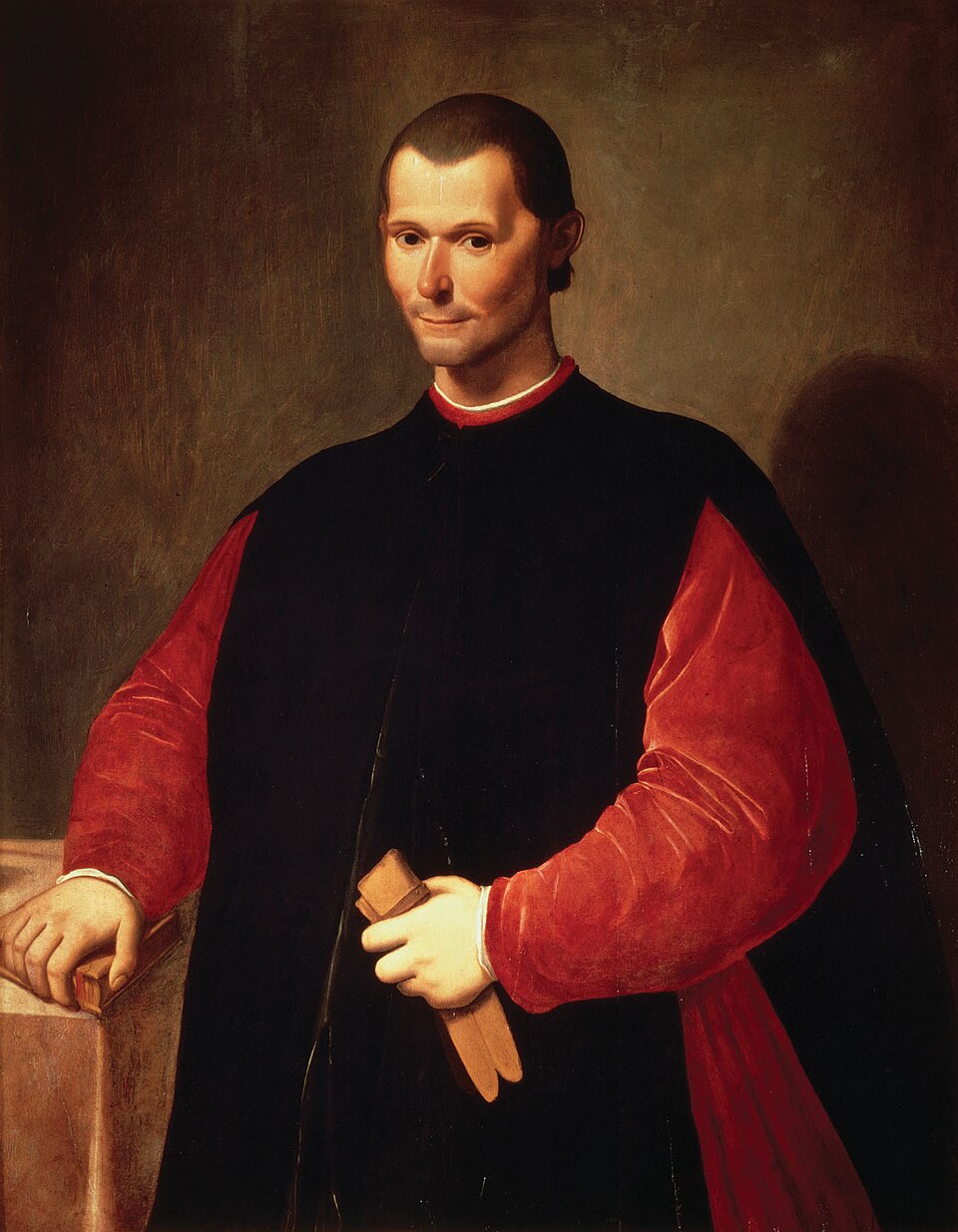
  • Portrait of Niccolò Machiavelli

    Niccolò Machiavelli

    1469–1527, Florence (republican secretary and diplomat, then exile, amid the Italian Wars)

    The Trade War North of the Border Is Exactly How Republics Fight

    When negotiations fail, a 50 percent tariff is not a moral scandal but the normal language of power between states that mean to endure.

    Two neighbors spend days bargaining. The talks fail. One slaps on a 50 percent tariff; the other vows to “match” it and answers at once with its own blows. You call this a trade “war.” I call it Tuesday in the life of republics that still remember they are states, not charities. The effectual truth is simple: the United States and Canada each act first to preserve their advantage and their dignity. Everything else is commentary. As I wrote long ago in a different tongue, whoever starts from how men ought to behave and not from how they do behave “sooner effects his ruin than his preservation.” Here, no one is starting from sermons.

    Read the essay