US and Canada Impose Reciprocal Tariffs After Trade Talks Collapse
The Trade War North of the Border Is Exactly How Republics Fight
When negotiations fail, a 50 percent tariff is not a moral scandal but the normal language of power between states that mean to endure.
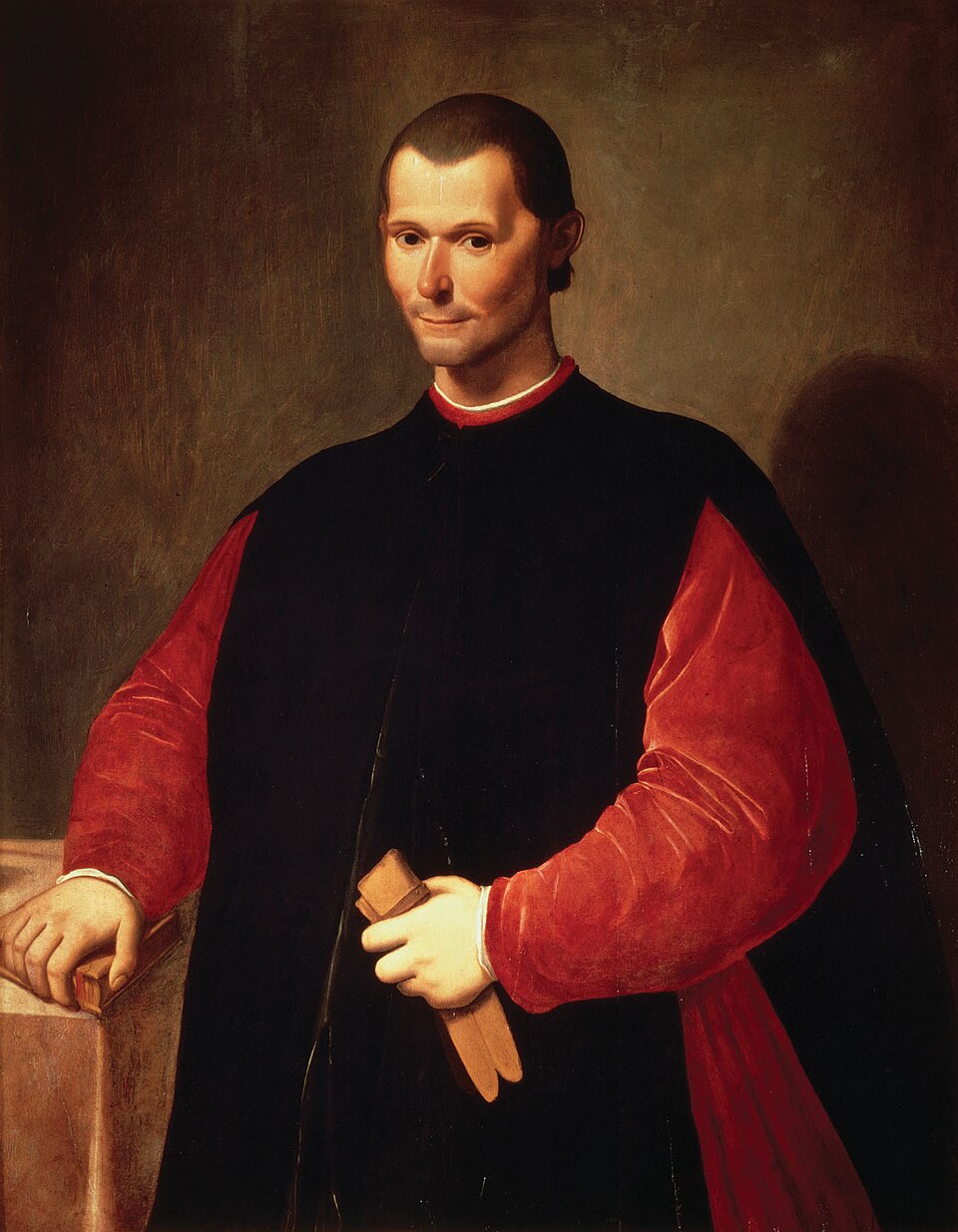
Two neighbors spend days bargaining. The talks fail. One slaps on a 50 percent tariff; the other vows to “match” it and answers at once with its own blows. You call this a trade “war.” I call it Tuesday in the life of republics that still remember they are states, not charities. The effectual truth is simple: the United States and Canada each act first to preserve their advantage and their dignity. Everything else is commentary. As I wrote long ago in a different tongue, whoever starts from how men ought to behave and not from how they do behave “sooner effects his ruin than his preservation.” Here, no one is starting from sermons.
Notice the order of moves. Negotiations first; only when they crumble does Washington impose a 50 percent tariff. Then comes the explanation tour, the trade representative laying out what was offered and refused. Only after that stage-setting does Ottawa’s prince respond on Saturday, promising to “match” Washington and unveiling retaliation. In Florence I watched the same script: first the failed accord, then the public brief, then the counterblow in kind. The rule is that each side must show its own people that it was reasonable before it was harsh, and harsh only because the other would not yield. He who loses the blame game at home soon loses the contest abroad.
Some will ask whether the tariff itself is wise. You and I know this is the wrong first question. The first is whether, once talks collapsed, a leader could refuse to act. In The Prince, where I compared fortune to a flooding river, I argued that prudence lies in raising dykes while the weather is fair. Refusing decisive measures when the storm has already burst is not moderation; it is negligence. A 50 percent tariff is a very high wall: costly, visible, and sure to draw curses. But a leader who, in such a public breakdown, answered with only mild words would appear weak to allies, enemies, and voters alike. That appearance is more dangerous than the tariff itself.
Here the tariffs are the “arms” of the conflict. Not arms borrowed from others, which I warned against in The Prince when I condemned mercenaries and auxiliaries, but arms of their own: legal powers over borders, taxes, and markets. These are the modern equivalent of infantry paid from your own treasury. They bite where your rivals are fat and exposed. A state that depends only on sweet phrases, foreign mediators, or distant courts to defend its interests fights, in effect, with hired swords, and will discover their loyalty ends when the bill is questioned. Whatever else one says about this quarrel, each side is swinging its own club, not renting another’s.
Nor is it a bad thing, in itself, that two great republics quarrel openly over trade. In the Discourses on Livy I praised Rome’s tumults between senate and people, because from those noisy conflicts sprang her laws and her liberty. So too among states: a managed contest of appetites is healthier than a polite corruption in which everyone smiles and no one defends his citizens. The people in both countries will watch this exchange and judge whether their leaders flinched, squandered advantage, or defended them stoutly. Their anger will be loud, but their memory, in free states, is also long and often just. The danger is not conflict; it is a conflict conducted in secret and paid for by the many without their knowledge.
The most delicate part is duration. Any fool can start a war, commercial or military. The art lies in sustaining pressure without exhausting your own side. Here fortuna weighs heavily: no one yet knows how deeply these tariffs will cut, which industries will howl, which politicians will find themselves exposed. This is where dykes built in fair weather matter: diversified commerce, reserves, domestic legitimacy. If a leader has neglected these, even a skilful initial strike will sour as the damage mounts. Then the very show of strength that first delighted the people turns to a confession of rashness. Fortune favors the bold only when the bold prepared.
A final word on the temptation of the middle course. Many will plead for a quick compromise, a return to the old ways with only cosmetic changes. I learned in my own ruin that the middle course is often the most dangerous: it angers those who demanded firmness, without satisfying those who wanted peace. Better one sharp conflict with a clear outcome than ten unresolved quarrels that bleed authority year after year. Yet severity must be proportionate and must aim at a stable settlement, not at humiliation. Wound decisively, but do not maim beyond repair, for today’s adversary in trade may still be tomorrow’s needed ally in war. The prince who forgets that last point discovers too late that victory can also be a kind of defeat.
From the works cited
- The Prince — Virtù versus fortuna — the raging-river figure: preparation in fair weather is the whole difference between the drowned and the dry.
- The Prince — Arms of one's own versus mercenaries and auxiliaries: power borrowed is power owed, and it will be collected at the worst moment.
- Discourses on Livy — Managed conflict between the great and the people is the source of a free state's vigor — Rome's tumults produced its liberty.