
Tuesday, August 25, 2026
Third Opinion

The dead argue about the news. You pick your side.

The story

Tuesday, August 25, 2026

Court Rules Bees Are Animals; Administration Seeks Approval for Mail Voting Order

Court Rules Bees Are Animals; Administration Seeks Approval for Mail Voting Order
Photo: Reason

An Intermediate Court of Appeals reversed a prior decision by ruling that bees are animals under the ordinary meaning of the word and that state law does not prevent cities from regulating beekeeping. Separately, the administration requested the court to allow implementation of President Trump's order to create "state citizenship lists" and direct the Postal Service to determine eligibility for mail-in ballots.

Sourcesreason.commotherjones.comnytimes.comnpr.orgmotherjones.comnpr.orgpbs.orgpbs.orgreason.com

The takes

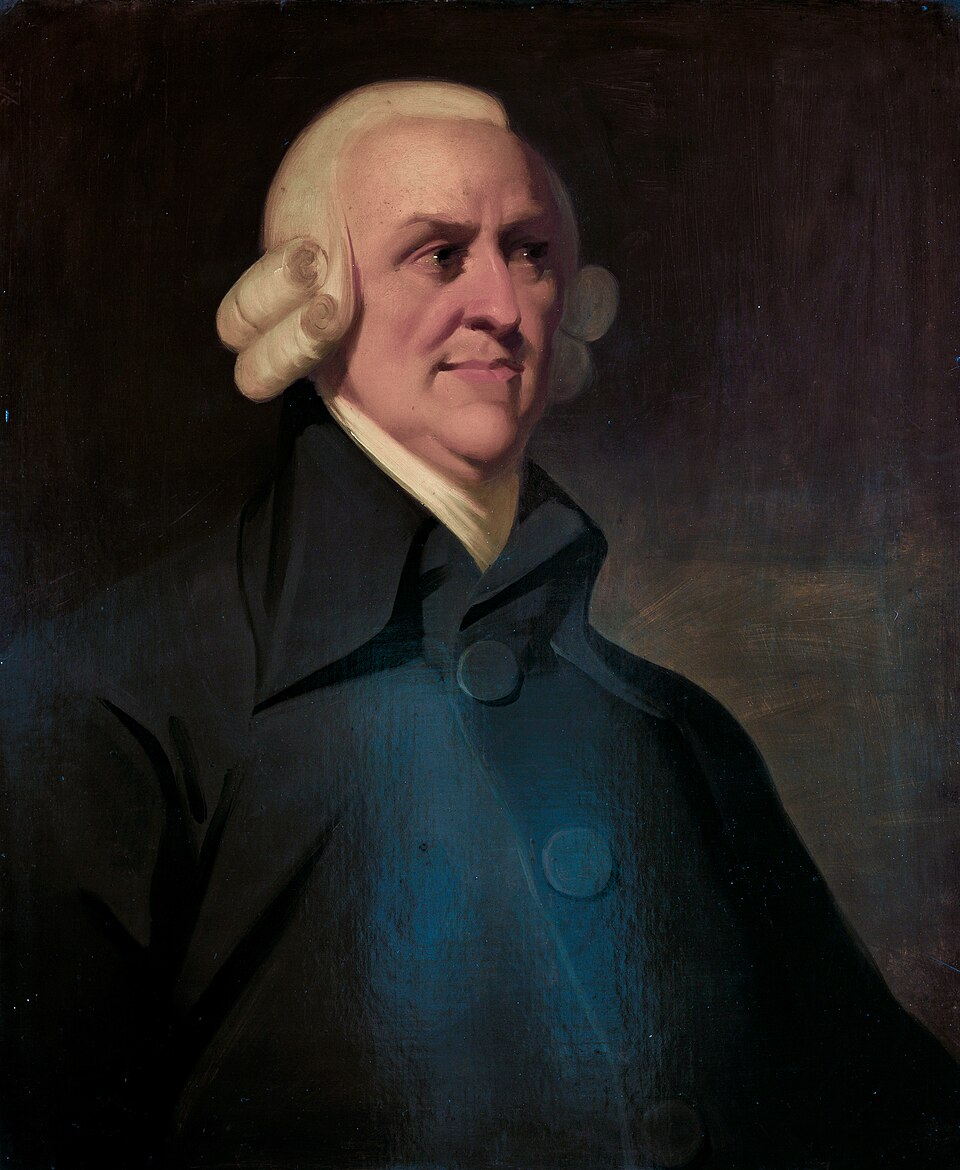
  • Portrait of Adam Smith

    Adam Smith

    1723–1790, Scotland (the Scottish Enlightenment: Kirkcaldy, Glasgow, Edinburgh)

    Letting the Postman Decide Who May Vote

    When the magistrate arms himself with citizenship lists and deputises the mail carrier as gatekeeper of the franchise, one may be sure the public is paying a quiet price for a loud, temporary advantage to a few.

    I am told that an administration has asked its highest court to clear the way for an order that would create “state citizenship lists” and direct the Postal Service to decide who receives a mail-in ballot, and that the court has, for now, allowed the project to proceed. The details beyond this bare description are obscure; the ends avowed are wrapped, as such things commonly are, in the language of order, probity, and the purity of elections. Yet even with so scant a bill of particulars, the character of the measure is tolerably plain: it is a regulation of access to the vote, and a regulation of this sort is seldom neutral in its effects, however neutral its phrases may appear.

    Read the essay
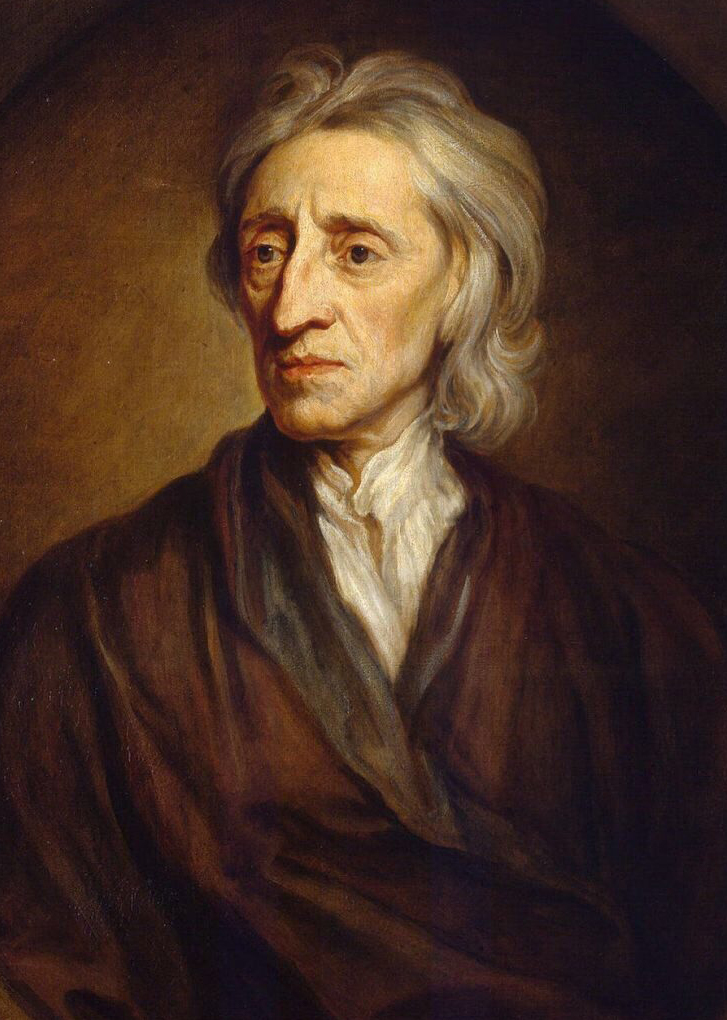
  • Portrait of John Locke

    John Locke

    1632–1704, England (writing amid the Exclusion Crisis and the Glorious Revolution)

    Mail Ballots, Citizenship Lists, and Power Held on Trust

    When an executive bids the postman's hand to decide who may vote, the question is not efficiency but whether political power has slipped its leash of consent and become usurpation.

    I learn that an administration has asked a supreme court to clear the way for an order that creates “state citizenship lists” and directs the Postal Service to decide who gets a mail‑in ballot. The court, I am told, has for the present allowed the pursuit of these limits. Many details remain obscure: by what rule these lists are compiled, how the post is to distinguish one citizen from another, what avenues of challenge exist for the mistaken or the abused. Yet even with this thin account, one feature stands out: a great question concerning who shall share in choosing the lawmakers is placed in the hands of those who deliver letters.

    Read the essay
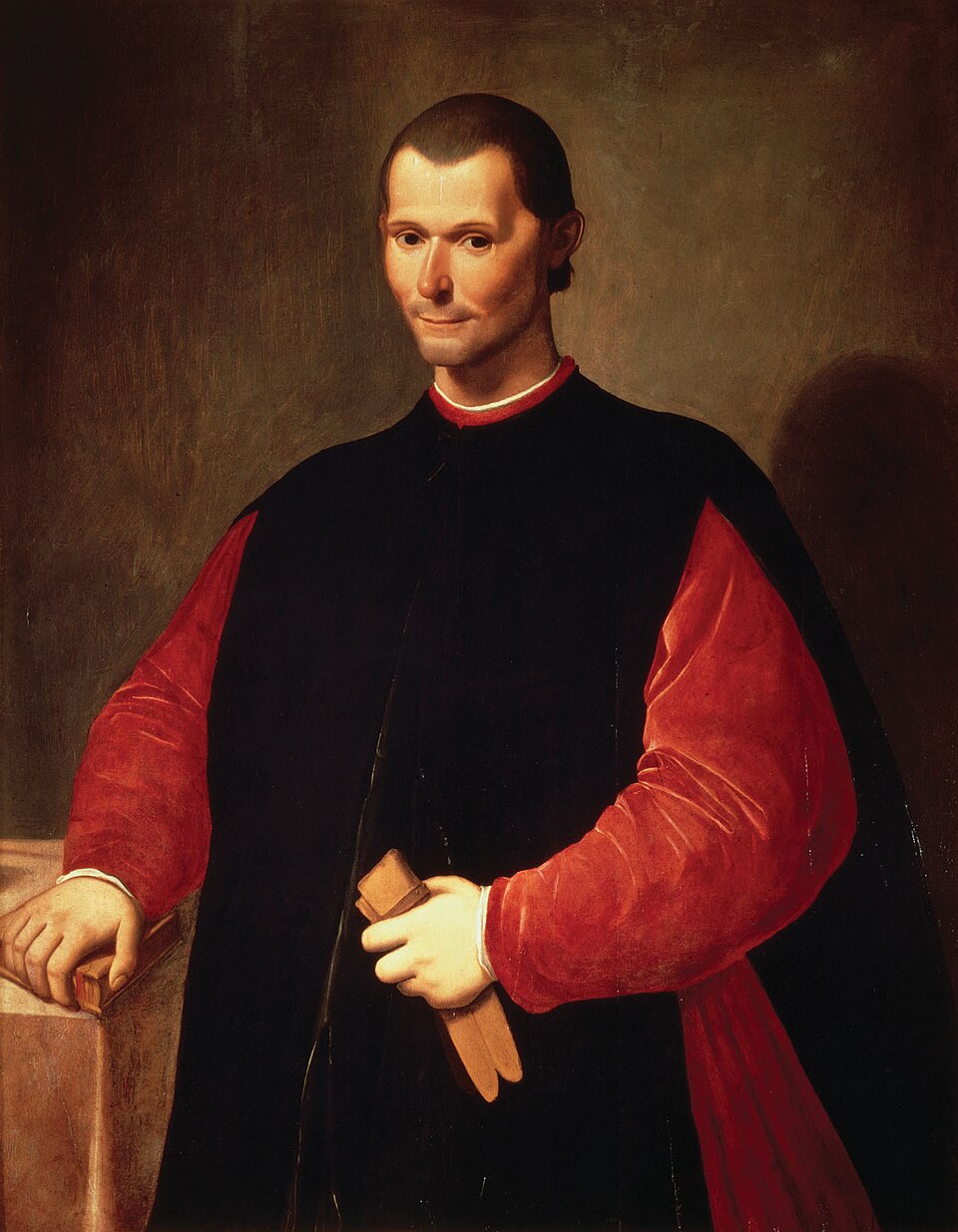
  • Portrait of Niccolò Machiavelli

    Niccolò Machiavelli

    1469–1527, Florence (republican secretary and diplomat, then exile, amid the Italian Wars)

    When a Prince Starts Counting Voters Like Bees

    Turning mail ballots into a privilege dispensed from the center is a classic move to maintain power—but in a republic it is also a test of how far corruption has gone.

    A ruler who orders “state citizenship lists” and tells the postal service who shall receive a mail ballot is not speaking of letters, but of power. Here the stage is clear enough: an administration asks the highest court to clear the way for such an order, and the court, I am told, allows the pursuit “for now.” That small phrase contains a whole drama. In my time, when a Signoria adjusted who could enter the Great Council, we all understood that they were choosing their future judges and accusers. Whoever counts the voters, if he can also narrow the list, soon counts the victories.

    Read the essay