Court Rules Bees Are Animals; Administration Seeks Approval for Mail Voting Order
Mail Ballots, Citizenship Lists, and Power Held on Trust
When an executive bids the postman's hand to decide who may vote, the question is not efficiency but whether political power has slipped its leash of consent and become usurpation.
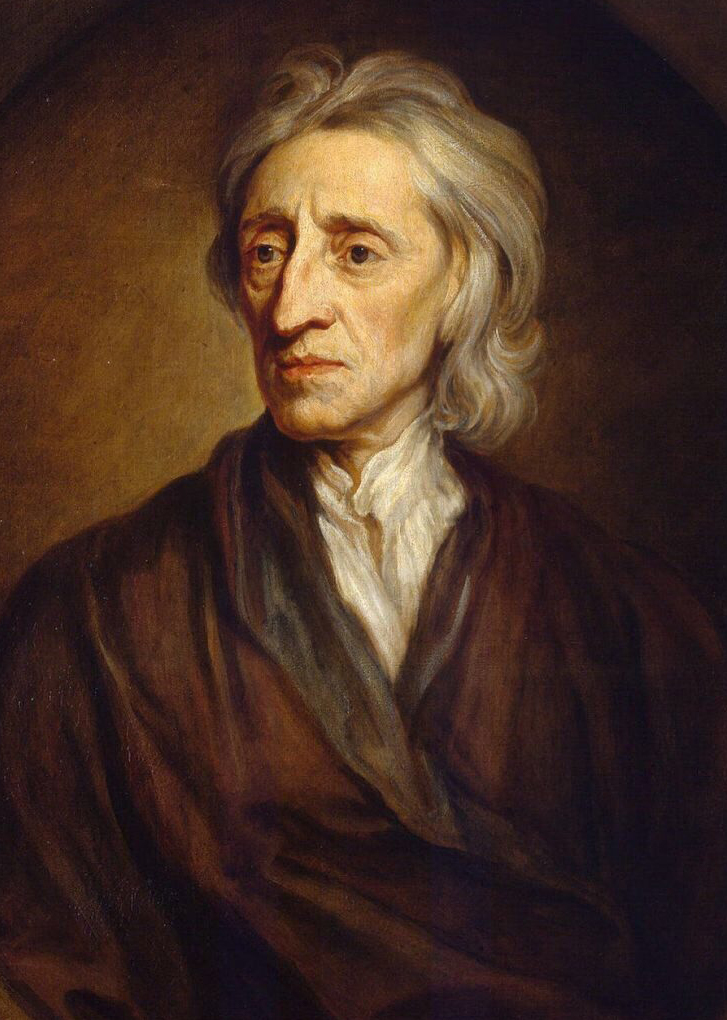
I learn that an administration has asked a supreme court to clear the way for an order that creates “state citizenship lists” and directs the Postal Service to decide who gets a mail‑in ballot. The court, I am told, has for the present allowed the pursuit of these limits. Many details remain obscure: by what rule these lists are compiled, how the post is to distinguish one citizen from another, what avenues of challenge exist for the mistaken or the abused. Yet even with this thin account, one feature stands out: a great question concerning who shall share in choosing the lawmakers is placed in the hands of those who deliver letters.
When I wrote the Second Treatise of Government, I began from this point, that all political power is a “right of making laws with penalties of death, and consequently all less penalties, for the regulating and preserving of property,” and that such power is held only for the public good. Property there I took in the large sense: “lives, liberties, and estates.” The choice of rulers is plainly part of that liberty, for a people cannot be said to consent to laws if they are arbitrarily excluded from the very act of choosing those who make them. To alter the terms on which a part of the people may vote is therefore no small administrative contrivance; it is an exercise of political power at the root.
Because men are by nature free, equal, and independent, any claim to rule another must be justified, not assumed. The burden of proof lies always on power, never on liberty. Thus, when an executive requires that the post, guided by state‑made “citizenship lists,” decide who may receive a mail‑in ballot, the question is not whether some might abuse the convenience of the post, nor whether the measure is popular with one party or another, but whether free and equal persons could reasonably consent to be governed on such terms. Have they clear, known laws by which their eligibility is determined; have they an impartial judge to appeal to; or do they find themselves at the mercy of clerks and lists they did not make and cannot easily examine?
It is here that arbitrary power steals in. Wherever the same hand that designs a rule also keeps the keys to its exceptions, and wherever those aggrieved must plead before the very power that injured them, there men are made subject to one who is judge in his own case. I observe the courts in this affair, as in that curious dispute over whether a city might ban beekeeping, asking first not what would be convenient, but what authority the lower power truly possesses under higher law. In the beekeeping matter, one court thought only a state department might regulate bees; another, that cities could treat them as animals. Behind the humor of bees lies a grave point: they were at least asking, “Who gave you this power?”
The same question presses harder when the subject is the franchise. Prerogative, as I argued in the Second Treatise, is a power in the executive to act for the public good, sometimes without, even against, the letter of standing law, but always under this condition: that the people see themselves benefited and retain the power to revoke what displeases them. An order that interposes new gatekeepers between citizens and the ballot may call itself necessary, temporary, or technical; yet if it tends in effect to narrow the circle of those who choose the legislative, and if the criteria and remedies are hidden from common understanding, it has already stepped over the line where prerogative ends and usurpation begins.
I do not say that every adjustment to the manner of voting is tyranny, any more than every city ordinance about animals constitutes despotism. Men may reasonably consent to rules that secure the integrity of elections, provided those rules are general, known, and proportioned to the danger. But when the executive reaches for new tools — citizenship lists of its own devising, a postal service turned from mere carrier into gatekeeper — it must demonstrate, not merely assert, that no one’s life, liberty, or estate is thereby exposed to the caprice of another. Until that demonstration is made, challenges in the courts and resistance by lawful means are not sedition; they are the people’s duty to preserve the trust they first reposed.
Still, prudence requires another caution. A single disputed order, even one that smells strongly of overreach, may not yet amount to that “long train of abuses” which shows a settled design to reduce a people under arbitrary power. Where courts can still inquire, where laws can still be altered by regular means, the dissolution of government is neither necessary nor justified. Yet if, under whatever pretexts of fraud or efficiency, there arises a pattern of measures that steadily constricts the body of the electors, places ever more discretion in administrative hands, and makes challenges costly or vain, then men may know that the constitution is dissolving though the buildings still stand. The form of elections may remain; the substance of consent will be gone.
For now, this controversy over mail‑in ballots is a test. It will show whether institutions meant to be an impartial judge will insist that those who would rule us first show their warrant, or whether they will allow convenience and fear to excuse a silent transfer of power from the people to the offices that sort their post. I have long held that when rulers depart from the end for which government was instituted — the preservation of lives, liberties, and estates — they themselves make the first rebellion, and the people only follow. Your age must decide whether, in this matter, power remembers it is held on trust, or forgets and must be reminded.
From the works cited
- Second Treatise of Government — Political power defined narrowly as the right to make laws, with penalties, only for the public good — anything beyond that definition must justify itself or stand condemned.
- Second Treatise of Government — Government by consent and majority decision, with the legislative supreme but itself bound: a fiduciary power, held on trust, forfeited by breach.
- Second Treatise of Government — Prerogative as revocable emergency discretion — legitimate exactly as long as the public visibly benefits and no longer.