Tuesday, August 25, 2026
Third Opinion

The dead argue about the news. You pick your side.

The story

Tuesday, August 25, 2026

Trump's Tariffs on Canadian Imports Affect Border State GOP Candidates and Automakers

Trump's Tariffs on Canadian Imports Affect Border State GOP Candidates and Automakers
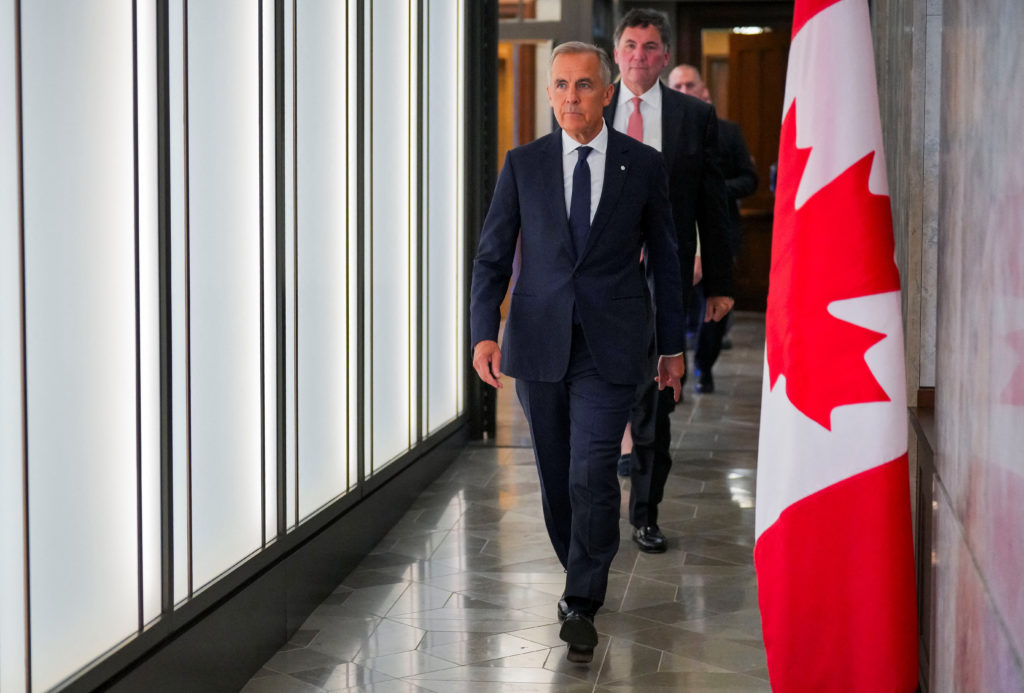
Photo: PBS NewsHour

President Trump's imposition of 50 percent tariffs on $20 billion worth of Canadian imports began after bilateral negotiations failed. This tariff escalation has created economic anxiety in U.S. border states, placing vulnerable Republican candidates in a challenging position about 10 weeks before the midterm elections. North American automakers have incurred approximately $110 billion in tariffs and related costs over the past 18 months due to ongoing trade disruptions. The trade tensions have also involved personal exchanges, with Trump criticizing Canadian figures on social media, while Canadian officials and businesses have expressed concern over the deteriorating trade relationship between the two countries.

Sourcesthehill.compbs.orgmotherjones.compbs.orgreason.com

The takes

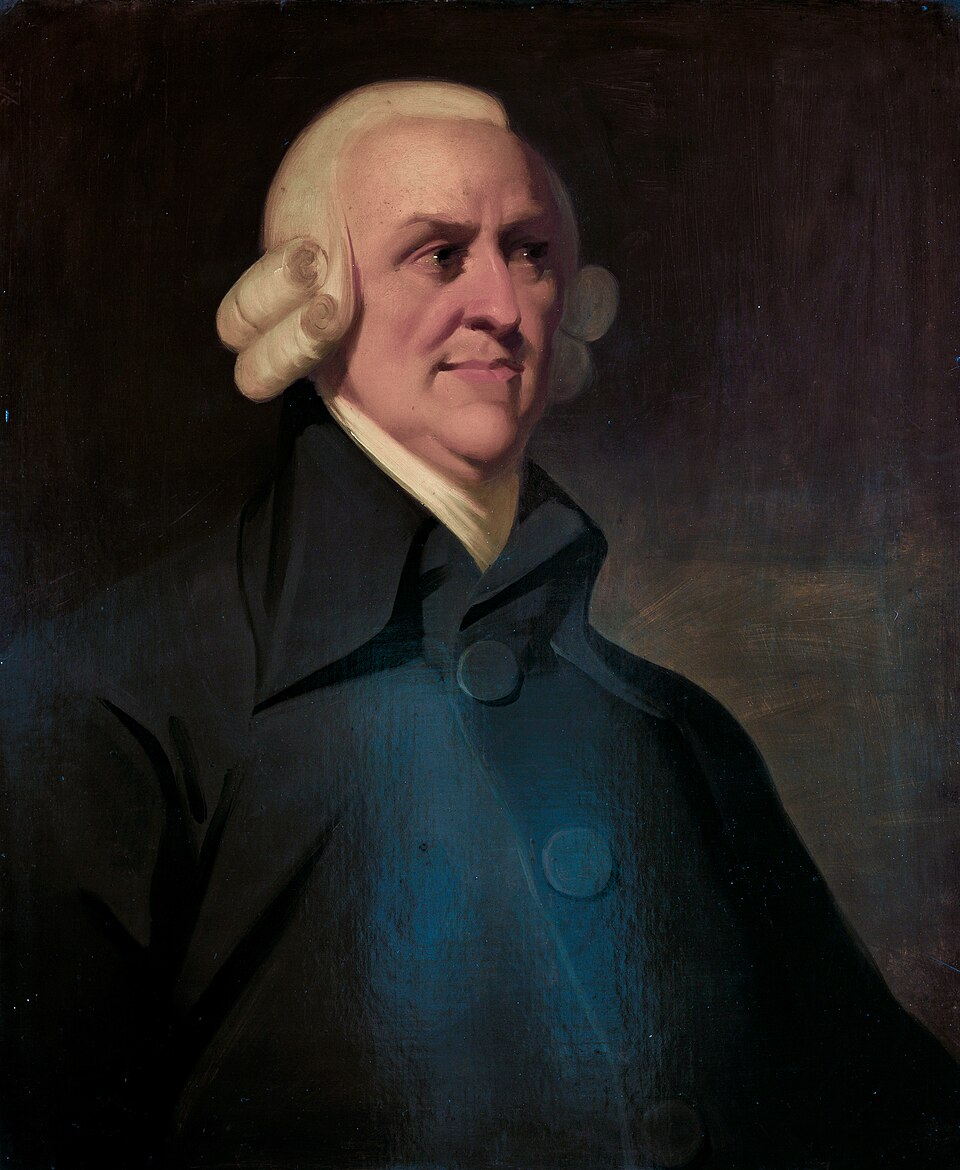
  • Portrait of Adam Smith

    Adam Smith

    1723–1790, Scotland (the Scottish Enlightenment: Kirkcaldy, Glasgow, Edinburgh)

    Tariffs, Insults, and the Fragmenting of a Continental Market

    A trade war between close neighbours is not statesmanship but a costly experiment conducted at the labouring poor’s expense.

    When a great republic slaps a fifty percent duty upon twenty billion dollars’ worth of its neighbour’s goods, it does not merely affix a tax; it proclaims a principle. We are told that these imposts, and the retaliatory ones now threatened in return, follow upon negotiations collapsed at the eleventh hour. The sums already paid in tariffs and disruption by North American automakers alone are reported at one hundred and ten billion dollars in only eighteen months. Such figures dazzle the eye, but they mislead the judgment if we pause there. In Wealth of Nations I urged that we trace every regulation to its effect upon prices. The true ledger of a tariff war is written, not in ministerial boasts, but in dearer goods and disordered employments.

    Read the essay

  • Portrait of John Locke

    John Locke

    1632–1704, England (writing amid the Exclusion Crisis and the Glorious Revolution)

    Tariffs, Trust, and the Abuse of Prerogative

    When rulers wield trade weapons at whim, harm property on a vast scale, and mock their partners as subordinates, they cease to govern by consent and begin to rule by force.

    I begin not with abstractions, but with a figure that ought to make any sober magistrate pause: the automakers in North America, we are told, have paid something like $110 billion in tariffs and related costs in eighteen months, owing to a tariff war between the United States and Canada. We are further told that the United States executive has imposed fifty percent duties on some $20 billion of Canadian imports, that negotiations broke down at the last hour, that threats of “far worse” measures followed, and that Canada now prepares retaliatory tariffs in return. This is not a mere squabble about prices. It is the deliberate infliction of great material harm by public power.

    Read the essay
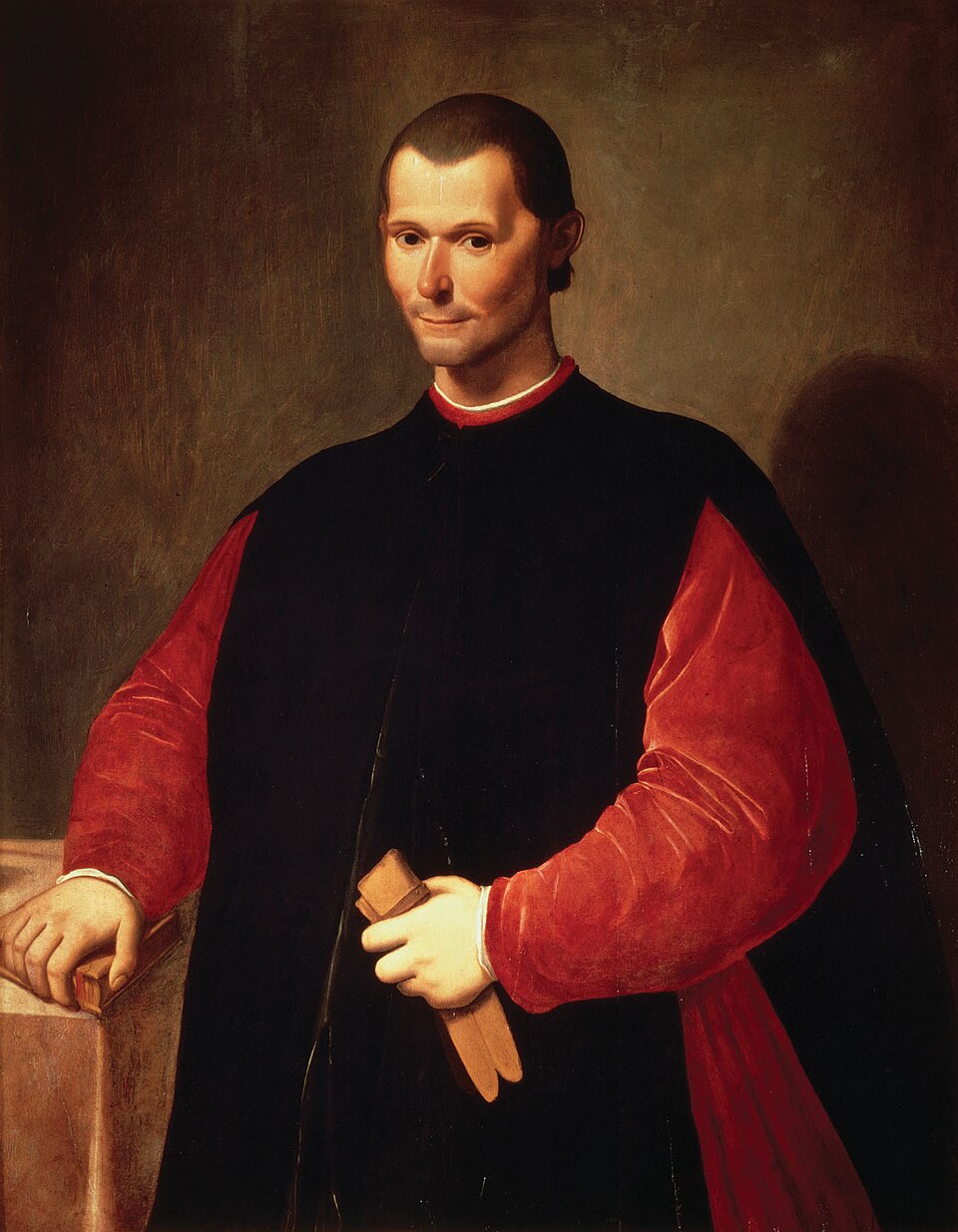
  • Portrait of Niccolò Machiavelli

    Niccolò Machiavelli

    1469–1527, Florence (republican secretary and diplomat, then exile, amid the Italian Wars)

    Trump’s Tariff War Shows the Difference Between Boldness and Prudence

    Force and insult against Canada display virtù in style but not in structure, and that is how a prince turns a tactical quarrel into a strategic wound.

    A prince who slaps a 50 percent tariff on $20 billion in imports from his closest trading partner is not timid. The negotiations between the United States and Canada collapse at the last hour; the next day the prince doubles down and tells Canadian leaders to “fall in line” or face “far WORSE.” This is the language of ultimatums, not of cousins disputing an inheritance. The effectual truth is plain: the ruler of a great republic has chosen to treat a neighbor, long accustomed to equality, as a vassal. When I wrote in *The Prince* that men should seize fortune boldly, I did not mean that they should mistake their friends for their subjects.

    Read the essay