Milo Yiannopoulos Detained by ICE in New Orleans Pending Deportation
When the Troll Meets the State
A provocateur can live by outrage for years, but the first missed hearing reminds him that only one side in politics can actually put a man in a cage and put him on a plane.
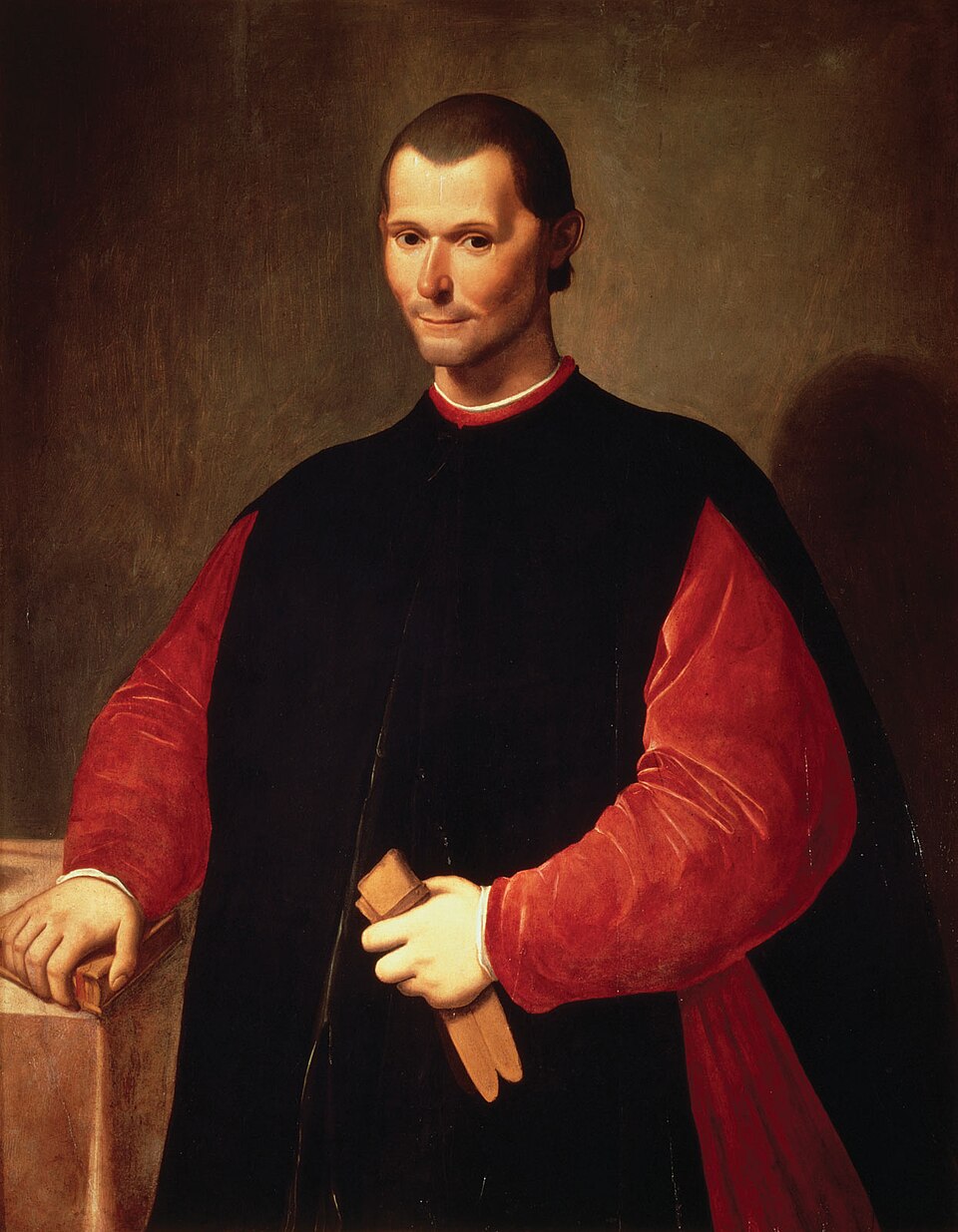
A man who makes his name by taunting power must, at some point, test whether power finds this amusing. Here we have a British commentator, long trading in incendiary speech and spectacle, now arrested by immigration officials in New Orleans. He once cheers raids by this same agency, now he sits in its detention center. The effectual truth is simple: for years he enjoyed the profits of notoriety while residing in the United States; now, having overstayed and missed his hearing, he faces a final order of removal and custody pending deportation. A life built on trolling meets the one institution that does not need to answer in the comments.
In The Prince, as translated by W. K. Marriott, I compared fortune to a raging river that drowns those who do not build dykes in fair weather. This man built no dykes, only platforms. He enters legally, lets his status lapse, fails to appear before the judge, and so hands the state a clean, almost boring occasione to act. No need for conspiracy, no need for extraordinary measures: a missed hearing is the most prosaic of snares. When a player of politics forgets the paperwork, he invites not argument but arrest. Whoever gambles with the laws must at least read them.
One must always ask first what the state’s survival requires. On this, the case is not complicated. A sovereign that cannot expel a foreigner who defies its procedures does not govern its own frontiers. Immigration officials, the judge, the detention system — these are the “arms of its own” I spoke of: the instruments by which a power maintains its orders without begging others for help. When such arms move on a public figure, they also reassure the multitude that law is not a weak suggestion. If a famous agitator can be detained, the ordinary man concludes that the net exists.
Yet power is never only substance; it is also stagecraft. This particular foreigner has cultivated the image of the untouchable provocateur, delighting in scandal, tied in the public mind to the harshest rhetoric about immigration and mass removals. Now the images show him on the receiving end of that machinery. For a wise ruler, this is a windfall. Without inventing anything, the state can say: the same rules apply to friend and foe, even to those who once applauded us. In politics, such symmetry is worth more than a thousand sermons. Most people judge not the arguments but the spectacle of who stands and who is led away.
Still, republican prudence demands another question: is the action proportionate and regular, or is it the weapon of a faction? The reports agree on the missed hearing and the judge’s final order, but beyond that the story is thin, some accusations resting on a single voice. A free people must fear selective severity more than universal rigor. If many violators walk untroubled while one noisy figure is seized at an airport, suspicion grows that law is only a costume for vengeance. Once that belief settles, even just measures are read as persecution, and the authority of institutions rots from within.
The Romans faced this twice. When they enforced banishments according to standing laws, their republic grew stronger; when they dressed private hatreds in legal robes, they marched toward civil blood. The rule is constant: the same sword that rightly cuts down disorder, if guided by passion instead of statute, soon teaches everyone to arm against everyone. Here, the immigration judge’s order after a failure to appear offers a clean legal spine. If that is the true backbone of the case, the state acts with virtù. If other, unspoken motives steer the hand, then the immediate gain in spectacle will be bought at the price of long-term trust.
For now, I judge this episode as a sober reminder of hierarchy in politics. The commentator, though loud, commands no arms beyond attention; the state, quiet until provoked by neglect of its procedures, commands custody and deportation. He chose to live by outrage, but forgot that outrage is not a shield against administrative necessity. They, needing to show both control of their borders and equality before the law, could hardly wish for a more instructive subject. If they are wise, they will let the paperwork, not the polemics, speak — for nothing so disarms a demagogue as being treated like any other case number on a flight manifest.
From the works cited
- The Prince — Virtù versus fortuna — the raging-river figure: preparation in fair weather is the whole difference between the drowned and the dry.
- The Prince — Arms of one's own versus mercenaries and auxiliaries: power borrowed is power owed, and it will be collected at the worst moment.
- The Prince — The economy of violence and the feared/loved calculus: better feared than loved if one must choose, but never hated — fear rests on the prince's will, love on the fickle will of others.