US Envoys Meet with Leaders in Moscow and Kyiv Amid Ongoing Drone Attacks
Drones, Envoys, and the Price of Borrowed Peace
When 258 drones fall in the same night that envoys shuttle between Moscow and Kyiv, you are not seeing hypocrisy; you are seeing the only kind of peace negotiation that has any chance of working.
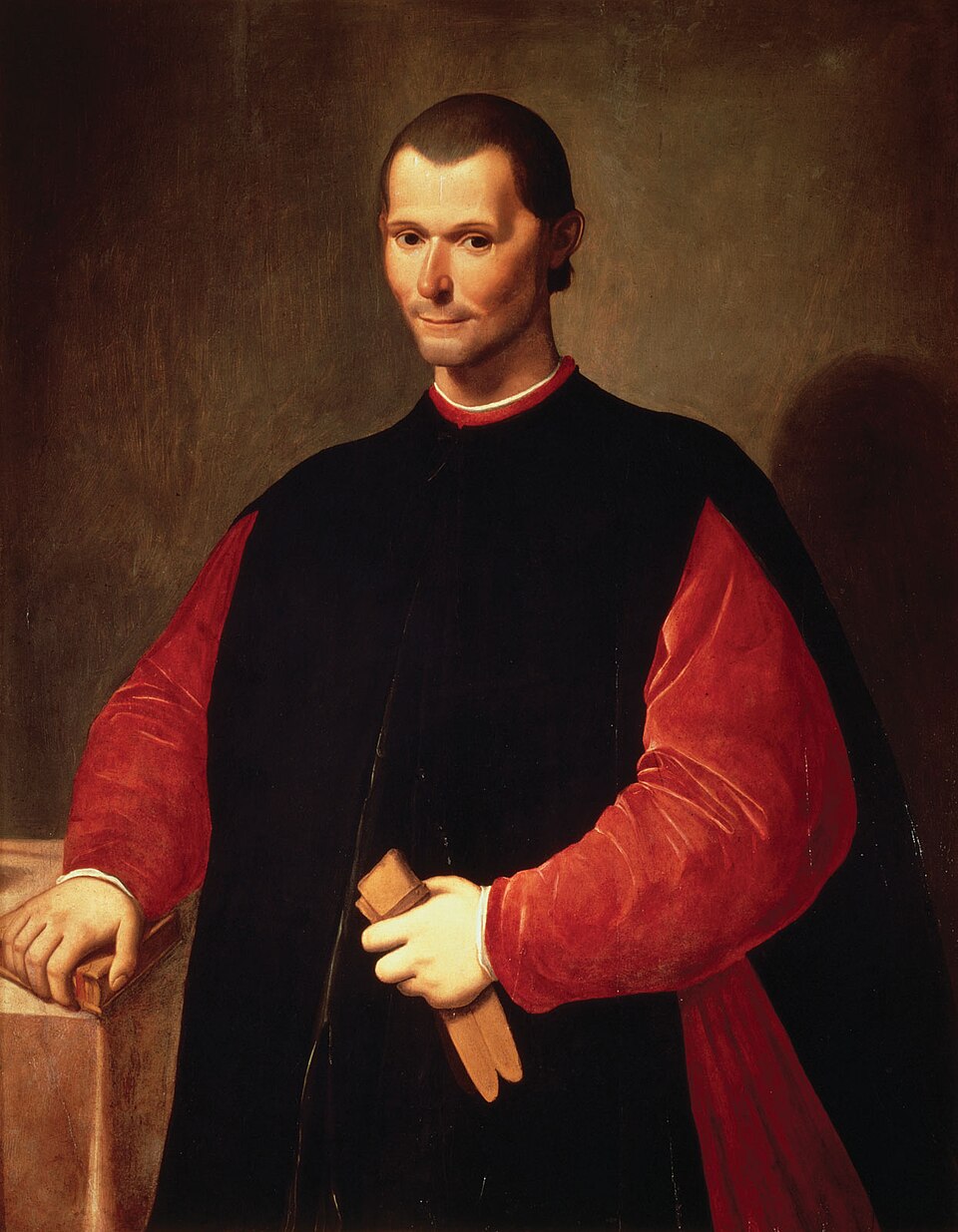
I begin from the image, because politics is made of images: in one night, Russia says it shoots down 258 Ukrainian drones across its regions, Crimea, and nearby seas, while Ukraine reports 108 Russian drones and missiles sent the other way. At the same time, two American envoys pass from a three‑hour, closed‑door audience in the Kremlin to a train into Kyiv, where Ukrainian officials receive them and the president declares himself ready for a “substantive conversation.” Blood, metal, and polite phrases move together. To the theologian this looks monstrous; to anyone who has read history, it is simply how wars are actually ended.
When I wrote in The Prince, in W. K. Marriott’s translation, that men live as they actually do and not as they ought, I meant precisely this. Each ruler here acts first from necessity: to maintain the state, to preserve his own rule, and to avoid the disgrace that follows obvious weakness. So drones fly while words flow because no chief will entrust himself to promises unless he believes he can still hurt the other side tomorrow morning. The effectual truth is that negotiation without pressure is begging, and princes are not beggars unless they have already lost.
The Romans understood this double game. They would send envoys to talk while the legions were already marching, because they knew that reason is heard only when supported by fear. So I see in these U.S. envoys an attempt to play both fox and lion at once: to discover openings with talk, while their side’s arms and alliances supply the growl behind the door. A Russian aide calls the talks “highly useful,” ideas are outlined, battlefield gains are boasted, “root causes” are invoked. This is all ceremony and narrative, but ceremony is not frivolous; it is one of the currencies by which rulers measure one another’s resolve.
Yet the crucial question is not whether talk occurs, but whose arms guarantee what is said. In The Prince I distinguished between arms of one’s own and auxiliaries or mercenaries, warning that power borrowed is power owed. Here, any peace that rests chiefly on American pressure or guarantees is peace held by auxiliary arms. It may be necessary; sometimes a weak city must hire a stronger neighbor to save itself. But the bill always comes due. If either Russia or Ukraine stakes its future order on what these envoys can deliver, rather than on its own lasting strength, it will find one day that decisions are taken elsewhere, and that is the first step to dependence.
Fortune, too, sits in the room. I once compared her, in Marriott’s version, to a raging river that floods the plain where no dykes and barriers have been raised. The nightly exchange of drones and missiles shows that both sides are still in the middle of the flood. They adapt: new attacks on security headquarters, new defenses that intercept 82 of 108 incoming drones, new routes for envoys who arrive by train instead of by triumphal cavalcade. But I ask: what dykes are they building for the next season? Talks that do not prepare for the inevitable return of violence, whether internal or external, are not dykes but mere sandcastles.
There is also the matter of the peoples. A man is killed and a woman wounded in the Belgorod region; others die and are injured in Ukrainian cities under attack. Meanwhile, an ordinary citizen in Kyiv doubts the envoys’ visit will change anything. In the Discourses, as translated by Ninian Hill Thomson, I argued that a people, under good laws, is often wiser and more constant than a prince. Their skepticism is a signal: they know that without solid guarantees and visible advantages, signatures in distant palaces mean little. If this war ever ends well, it will be because institutions arise that give both peoples channels for their fears and hatreds other than the drone and the shell.
The best objection to my view is that too much attention to power and arms makes peace impossible, that one must at some point leap into trust. I answer that trust is not a leap but a construction. It is built when each side knows the other has both the means to betray and the reasons not to. These American efforts may help, if they come tied to clear enforcement, real costs for violations, and some ritorno ai principii that limits future ambition; otherwise they are only a pause in the fighting while everyone reloads. Between armed peace and unarmed hope, prudence always chooses the first.
In this moment of drones by night and envoys by day, what remains uncertain to me is whether any side is yet willing to pay the domestic price of a settlement that can actually endure once the foreign visitors go home.
From the works cited
- The Prince — Virtù versus fortuna — the raging-river figure: preparation in fair weather is the whole difference between the drowned and the dry.
- The Prince — Arms of one's own versus mercenaries and auxiliaries: power borrowed is power owed, and it will be collected at the worst moment.
- Discourses on Livy — Managed conflict between the great and the people is the source of a free state's vigor — Rome's tumults produced its liberty. Never ask how to abolish conflict; ask whether its outlets are institutional or violent.