Pentagon Memorial Designated National Park Area Ahead of 25th Anniversary Ceremony
Memorials Are Not Licenses for Endless War
To honor the dead of September 11 is a rightful work of government; to use their memory as a pretext for unbounded power is a betrayal of the very trust those deaths now hallow.
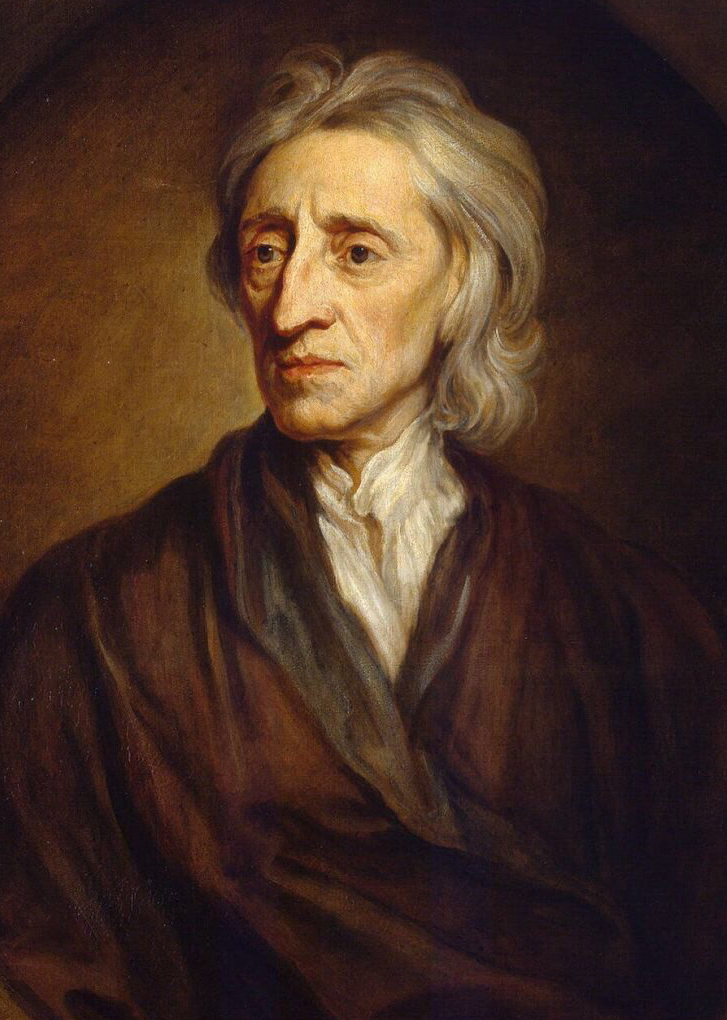
That a people should mark the twenty‑fifth year since a day of slaughter is fitting, and that they should do it with public solemnity is no usurpation but a natural act of a commonwealth mindful of its wounds. I read that a memorial by the Pentagon, long since authorized by the legislative power and set with a bench for each of the 184 who died there, is now taken formally into your national park system, to signify its common importance. I read also of observances at the site of another crashed plane, and of lights and ceremonies far from any scene of ruin. Men are not stones. They need shared signs to remember what their laws exist to prevent.
In my Second Treatise I defined political power as a right of making laws, with penalties, only for the public good. That public good is not confined to the mere present protection of bodies; it includes the sustaining of that civil bond by which each, having quitted the state of nature, trusts his life, liberty, and estate into one common hand for their preservation. Public memorials that mark innocent blood shed, and fix in stone the limits of what must never again be permitted, serve that end. They are, in the strictest sense, part of the common defence, for they arm the memory of a free people against forgetfulness and carelessness.
The manner of these commemorations matters as much as their existence. I see it reported that at the National September 11 Memorial and Museum, the governors of the place have long refused to turn the ceremony into a platform for partisan speeches, even when those in high office desire to speak. This restraint is not an affront to authority but a protection of it. When I wrote of toleration, I argued that the commonwealth is instituted for civil interests only—life, liberty, health, and possessions—and not for the care of souls or the triumph of factions. A day set apart to recall a calamity touching all citizens alike ought not to be captured by any party’s colors. In this they have judged wisely.
That a chief magistrate should speak, in another setting, at the Pentagon’s observance is no necessary abuse. The executive is entrusted with the sword; it is not improper that he stand where the sword was struck. Yet even there the rule holds: his office is not the proprietor of the dead. He holds power on trust, as do all in authority. He may recall the crime, acknowledge the grief, and renew the promise of protection; but if he should go further, and use the place and the tears of families to commend his own party or to enlarge his discretion beyond law, he would step from commemoration into the first motions of arbitrary power.
The harder question lies not in these stones and speeches, but in what followed that day. I am told that one who is named as a principal contriver of the attacks has now been held twenty‑three years without a completed trial, while another leader of the same wicked design was hunted down and slain abroad. I have long maintained that the law of nature binds all men, rulers not excepted, and that no one ought to harm another in his life, health, liberty, or possessions, save as a known punishment by a known law before an impartial judge. I do not here assert that every delay is unjust; I lack the particulars. But I cannot pass by the sheer length of this confinement without saying that such delay stands very near the line where justice fades into mere power.
So too, I read of a long war abroad, and of a network of secret prisons where men suspected of terror were held and harshly handled. These are presented under the name of a war on terrorism, and of necessity. In my day I allowed to the executive a power of prerogative, to act sometimes without, even against, the letter of the law when the public safety evidently required sudden action and no time could be had to consult the legislative. Yet I called this a trust, revocable, and tolerable only while it visibly served the people. When prisons are hidden, when examinations are severe beyond the standing law, when a war becomes your longest war, the people would do well to remember that emergency is the most convenient cloak for a long train of abuses.
The memorial benches by the Pentagon’s wall, the lights that ascend from other hills, and the names read aloud into the September air are, so far as I can judge, rightful exercises of a people’s authority, signifying what they hold inviolable. They bind nothing but remembrance, and remembrance is a safe debtor. Yet around them move policies claiming the same wound as warrant for powers that press hard upon liberty, for wars with no clear end, for punishments before judgment and judgment delayed beyond patience. The dissolution of government does not follow from every such excess; but if a generation grows accustomed to the sight of grief carved in stone and of prerogative carved into custom, it will one day find it has learned to live with both. The dead deserve better tutors of the living.
From the works cited
- Second Treatise of Government — Political power defined narrowly as the right to make laws, with penalties, only for the public good — anything beyond that definition must justify itself or stand condemned.
- Second Treatise of Government — The state of nature as analytic baseline: perfect freedom and equality under the law of nature, so that government must be shown to improve on that baseline for everyone who leaves it.
- A Letter Concerning Toleration — The commonwealth exists only for civil interests — life, liberty, health, and possessions; the care of souls is not, and cannot be, the magistrate's business.