
Sunday, October 18, 2026
Third Opinion

The dead argue about the news. You pick your side.

The story

Friday, October 2, 2026

New York Attorney General Opens Criminal Investigation into Cornell University Rape Allegations

New York Attorney General Opens Criminal Investigation into Cornell University Rape Allegations
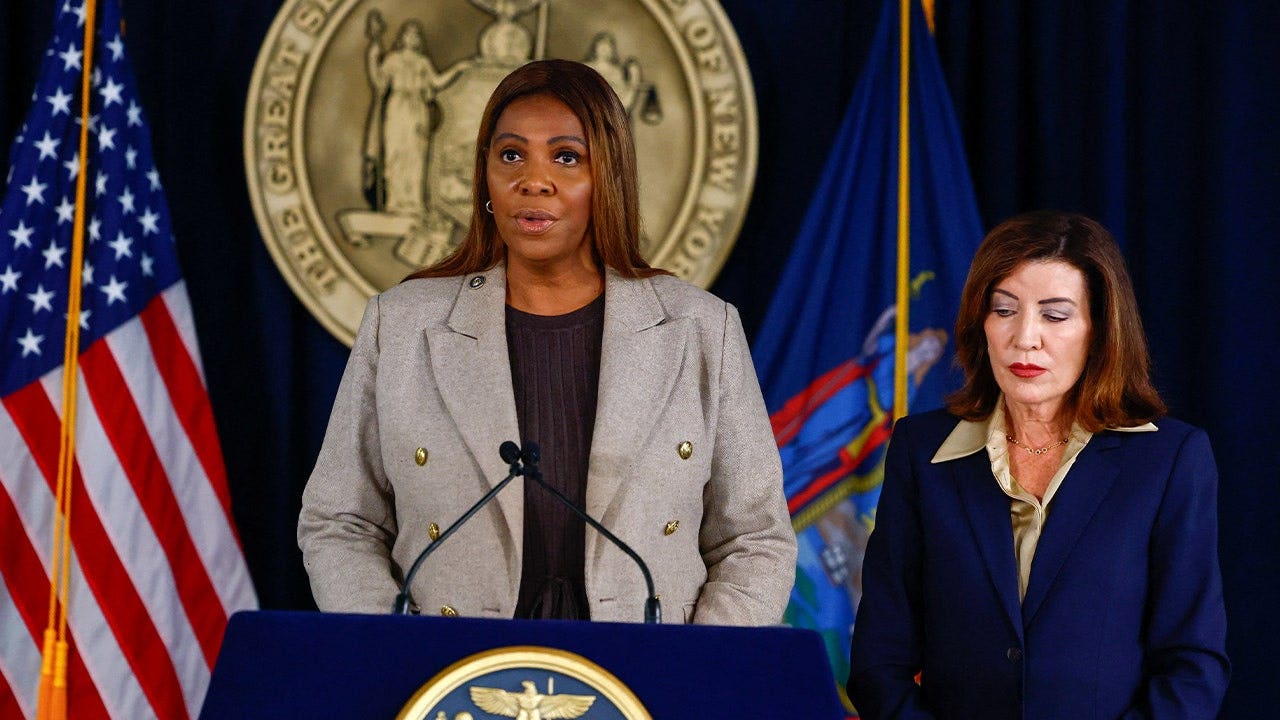
Photo: Fox News

New York Attorney General Letitia James has initiated an active criminal investigation into an alleged gang rape at Cornell University in 2024. The case involves a woman, identified as Jane Doe, who filed a civil complaint accusing seven members of the university's Chi Phi fraternity of sexual assault and rape. New York Governor Kathy Hochul signed an executive order appointing James as special prosecutor, citing serious questions about the initial investigation by the Cornell Police Department and the decision by the Tompkins County District Attorney not to prosecute the alleged assault. Jane Doe reported the assault to campus police in November 2024 and engaged with the university's internal disciplinary process. Students and faculty have expressed frustration and concern over the handling of the case, with some describing the accuser as being "failed" by university health services, police, and prosecutors.

Sourcesfoxnews.combbc.co.ukbbc.co.uknpr.orgpbs.orgnytimes.commotherjones.comnationalreview.combbc.co.ukbbc.co.uk

The takes

  • Portrait of Adam Smith

    Adam Smith

    1723–1790, Scotland (the Scottish Enlightenment: Kirkcaldy, Glasgow, Edinburgh)

    Justice at Cornell Requires More Than Campus Comfort

    When local guardians falter in answering a grave charge, the state’s duty is not to avert its eyes but to repair the administration of justice, however inconvenient to the powerful and the respectable.

    A young woman, known to the public only as Jane Doe, tells campus police she was drugged and raped by several men at a university fraternity house. She later repeats her account to the university’s own disciplinary investigators. Years pass; a civil complaint names seven fraternity members; students speak of a dark cloud over the campus; they say they are ashamed. The local prosecutor initially declines to bring charges. Only after new information and public scrutiny does that office reopen the matter, and only after “serious questions” are raised about the first inquiry does the governor appoint a special prosecutor and the state’s chief law officer open an active criminal investigation.

    Read the essay


  • Portrait of John Locke

    John Locke

    1632–1704, England (writing amid the Exclusion Crisis and the Glorious Revolution)

    Cornell’s Failed Investigation Is a Breach of Trust, Not a Mere Procedural Error

    When power meant to protect a woman from violent assault instead shields institutions from embarrassment, government has already stepped outside lawful authority and into usurpation—and only sharper, revocable oversight can call it back.

    I begin not with the governor’s executive order but with a woman, known to the public only as Jane Doe, who says she was drugged and raped by several men at a fraternity house. She told campus police in November 2024 that she had been sexually assaulted; later she spoke with the university’s internal investigators; still later she filed a civil complaint naming seven fraternity members and accusing them of sexual assault and rape. According to reports, she could not have been clearer that she was 100% confident she had been raped. These are not light injuries of reputation. They go to life, health, liberty itself.

    Read the essay
  • Portrait of Niccolò Machiavelli

    Niccolò Machiavelli

    1469–1527, Florence (republican secretary and diplomat, then exile, amid the Italian Wars)

    Cornell’s Crisis Shows What Happens When Justice Has No Arms

    When local guardians hesitate and higher authority scrambles to repair the damage, you see the effectual truth of a state that trusted reputation instead of building dykes against predictable floods.

    Begin with the fact, not the alibi. A woman known as Jane Doe tells campus police in November 2024 that she has been sexually assaulted at a fraternity house; later she files a civil complaint accusing seven fraternity members of sexual assault and rape. Local police investigate, the county prosecutor declines to prosecute, and only after new reports and a lawsuit does the matter explode. Now the governor says the woman was “failed at every turn,” appoints the attorney general as special prosecutor, and speaks of “serious questions” about the first investigation. This is not a bolt from a clear sky. This is a flood where the river has long been rising and no one raised the dykes.

    Read the essay