New York Attorney General Opens Criminal Investigation into Cornell University Rape Allegations
Cornell’s Crisis Shows What Happens When Justice Has No Arms
When local guardians hesitate and higher authority scrambles to repair the damage, you see the effectual truth of a state that trusted reputation instead of building dykes against predictable floods.
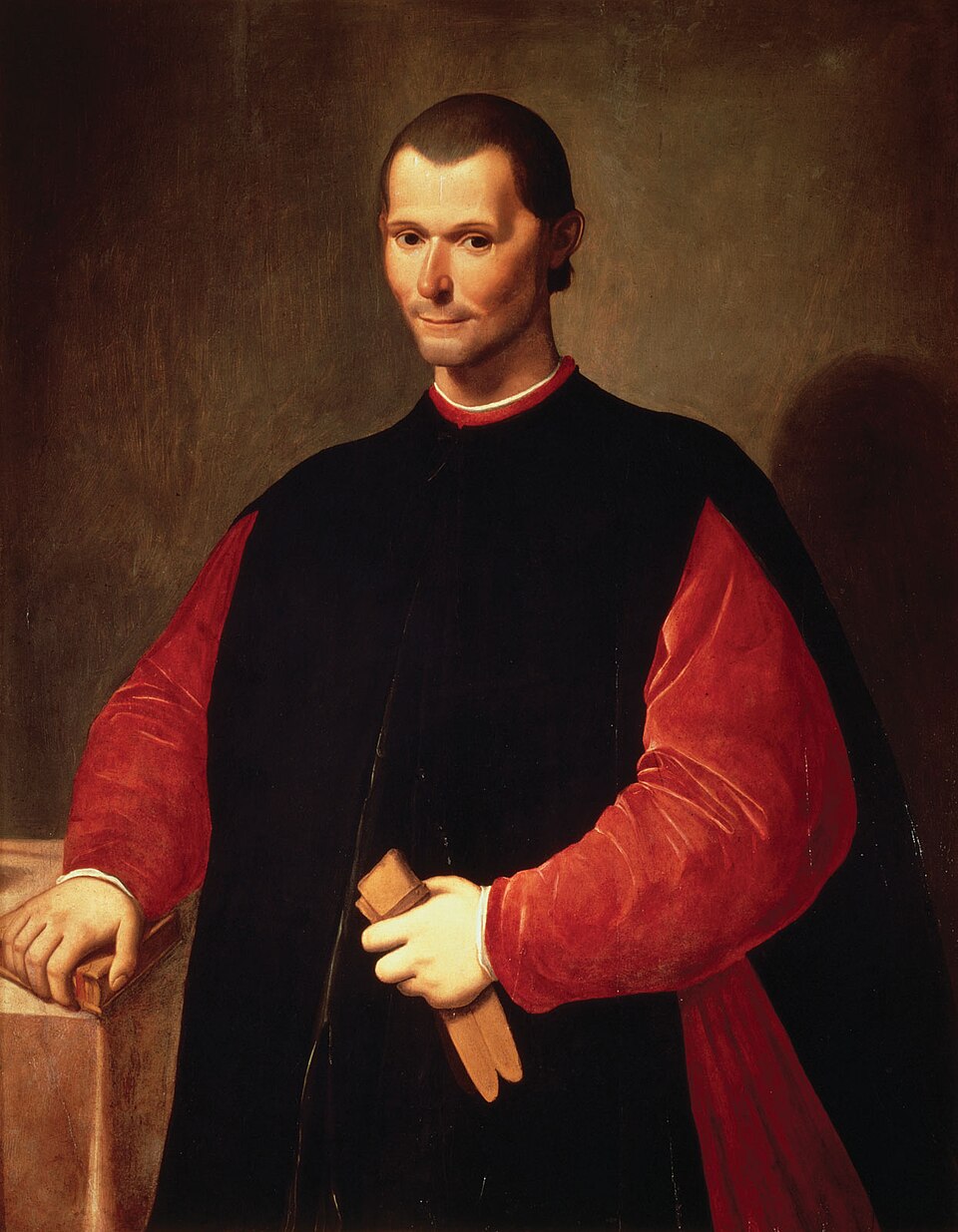
Begin with the fact, not the alibi. A woman known as Jane Doe tells campus police in November 2024 that she has been sexually assaulted at a fraternity house; later she files a civil complaint accusing seven fraternity members of sexual assault and rape. Local police investigate, the county prosecutor declines to prosecute, and only after new reports and a lawsuit does the matter explode. Now the governor says the woman was “failed at every turn,” appoints the attorney general as special prosecutor, and speaks of “serious questions” about the first investigation. This is not a bolt from a clear sky. This is a flood where the river has long been rising and no one raised the dykes.
In The Prince, when I wrote that one must look to the effectual truth of things rather than to how they ought to be, I had precisely this sort of pious failure in mind. On paper, Cornell has procedures, police, internal investigators, a prosecutor, and apparently a whole maze for reporting campus assaults. In effectual truth, a woman who says she was drugged and raped finds herself moving through that maze, and the outcome is no criminal case, no public reckoning, and finally a lawsuit and protests under a “dark cloud.” When a victim must go to civil courts and the newspapers to obtain motion from criminal justice, you are not seeing lack of rules; you are seeing the true strength of the appetites those rules were meant to restrain.
Men design institutions as if officials will be diligent, courageous, and immune to pressure; then they act surprised when officials behave as men. In the Discourses, I argued that whoever founds a state must assume all men are bad and will show it when they have free field, as Ninian Hill Thomson translated it. Here the free field lies in discretion: police deciding how hard to push; prosecutors deciding whether to incur the costs of a difficult sexual assault case tied to a powerful university; administrators deciding whether to treat complaints as moral emergencies or reputational risks. If you build no penalties for timidity, no counterweight to local interest, do not wonder when timidity and interest prevail.
The governor’s executive order appointing a special prosecutor is an admission that the old arms failed. When I wrote in The Prince, in W. K. Marriott’s translation, that a ruler must have arms of his own and not rely on mercenaries or auxiliaries, I meant that borrowed power serves who lends it, not who needs it. Local police and a county prosecutor are, in this drama, mercenary arms with their own allegiance—to habit, to local relationships, to avoiding defeat in court. By calling in the attorney general, the governor tries to raise new arms that answer more directly to the state’s wider interest in public order and trust. It is a necessary move; it is also a confession that the first line of defence could not be relied upon.
Meanwhile, the people speak. Students gather, say they are “absolutely ashamed,” demand drastic change, and advertise a “Justice for Survivors” protest. Faculty talk of a “dark cloud.” Officials complain about what they knew when, and columnists debate whether conviction will be hard. This looks like chaos to the timid; to me it is constitutional material. In the Discourses I praised Rome’s tumults between the people and the great as the source of liberty, because they forced new laws and offices. The question here is whether the anger finds institutional channels—independent investigators with real powers, external oversight of campus justice, clear duties for police—or whether it remains as pure denunciation, which burns hot and then leaves everything as it was.
Here reputation becomes both danger and instrument. Cornell now suffers worldwide shame; the governor and attorney general speak of not sweeping anything “under the rug”; local authorities defend themselves as best they can. Most men judge by the eyes, not by the hands; they see protests, headlines, and tearful assemblies more clearly than procedural diagrams. A prudent ruler uses this moment not to stage‑manage apologies, but to bind himself publicly to measurable actions: what evidence will be gathered, what independence the special prosecutor truly has, what reforms will follow regardless of the final verdict. If you must choose, it is safer for institutions to be feared as relentless in pursuing such crimes than loved as charming hosts of young elites.
The gravest error so far is the middle course. First, inaction or half‑action that leaves the accuser feeling “failed” and the campus enraged; then, under pressure and new reports, a cascade of reopened investigations and special appointments. Ill‑timed mercy toward the accused, or toward institutional comfort, has already wounded many; severity now, if clumsy or still hesitant, will deepen hatred without restoring trust. Fortuna has played her part—no one can script which case explodes and which sinks—but virtù lies in foreseeing that some case will, and building processes strong enough that when it comes, the state does not look surprised, ashamed, and improvising. Where justice has no prepared arms of its own, occasions arrive not as tests but as condemnations.
From the works cited
- The Prince — Arms of one's own versus mercenaries and auxiliaries: power borrowed is power owed, and it will be collected at the worst moment.
- Discourses on Livy — Managed conflict between the great and the people is the source of a free state's vigor — Rome's tumults produced its liberty.
- The Prince — The economy of violence and the feared/loved calculus: better feared than loved if one must choose, but never hated — fear rests on the prince's will, love on the fickle will of others.