
Sunday, October 18, 2026
Third Opinion

The dead argue about the news. You pick your side.

The story

Friday, October 2, 2026

Tennessee's Execution of Christa Pike Fails After Two Lethal Doses

Tennessee's Execution of Christa Pike Fails After Two Lethal Doses
Photo: BBC World

Tennessee attempted to execute Christa Pike using two lethal doses of pentobarbital, but she survived the procedure. The state's protocol includes a secondary set of pentobarbital-filled syringes if the initial dose does not result in death, though it does not specify actions if the individual remains alive after the second dose. Lethal injection is the most commonly used method of capital punishment in the 27 US states where the death penalty is legal, and incidents of botched executions are not uncommon. The failed execution of Pike has prompted renewed discussion about the death penalty.

Sourcesbbc.co.uknpr.orgpbs.orgnpr.org

The takes

  • Portrait of Adam Smith

    Adam Smith

    1723–1790, Scotland (the Scottish Enlightenment: Kirkcaldy, Glasgow, Edinburgh)

    A Tortured Execution and the Poverty of Our Justice

    When a state twice tries to kill and fails, it is not merely a technical mishap but a confession that its harshest punishment exceeds its competence and its character.

    The facts, so far as they are reported, are stark enough. A woman, long ago condemned for a very grievous murder, was to be put to death in Tennessee. The chosen instrument was a drug called pentobarbital, administered by injection. The first course failed to extinguish life; a second was attempted, and still she lived, reported alive and in critical condition. The written protocol, it seems, anticipated one failure and provided a second set of syringes, but was silent as to what should follow if death did not arrive on schedule. Here the law spoke with severity in its sentence, and with a curious muteness in its most terrible moment of execution.

    Read the essay

  • Portrait of John Locke

    John Locke

    1632–1704, England (writing amid the Exclusion Crisis and the Glorious Revolution)

    A State That Cannot Kill Cleanly Has No Right To Kill At All

    Tennessee’s failed execution of Christa Pike exposes a power over life that has slipped its lawful bounds and turned into naked arbitrariness.

    The scene, as it is reported, ought to chill any friend of lawful government. Tennessee sought to put Christa Pike to death for a murder committed decades ago. It employed a method called lethal injection, first administering one set of syringes meant to extinguish her life, then a second, because the first did not achieve that terrible end. After both, she remained alive, breathing and audibly so, and is now said to be in critical condition. The state’s own written protocol, we are told, anticipates a second set of syringes, but “does not spell out what happens if the subject is alive after the second set.” In that silence, one sees not justice, but power groping in the dark.

    Read the essay
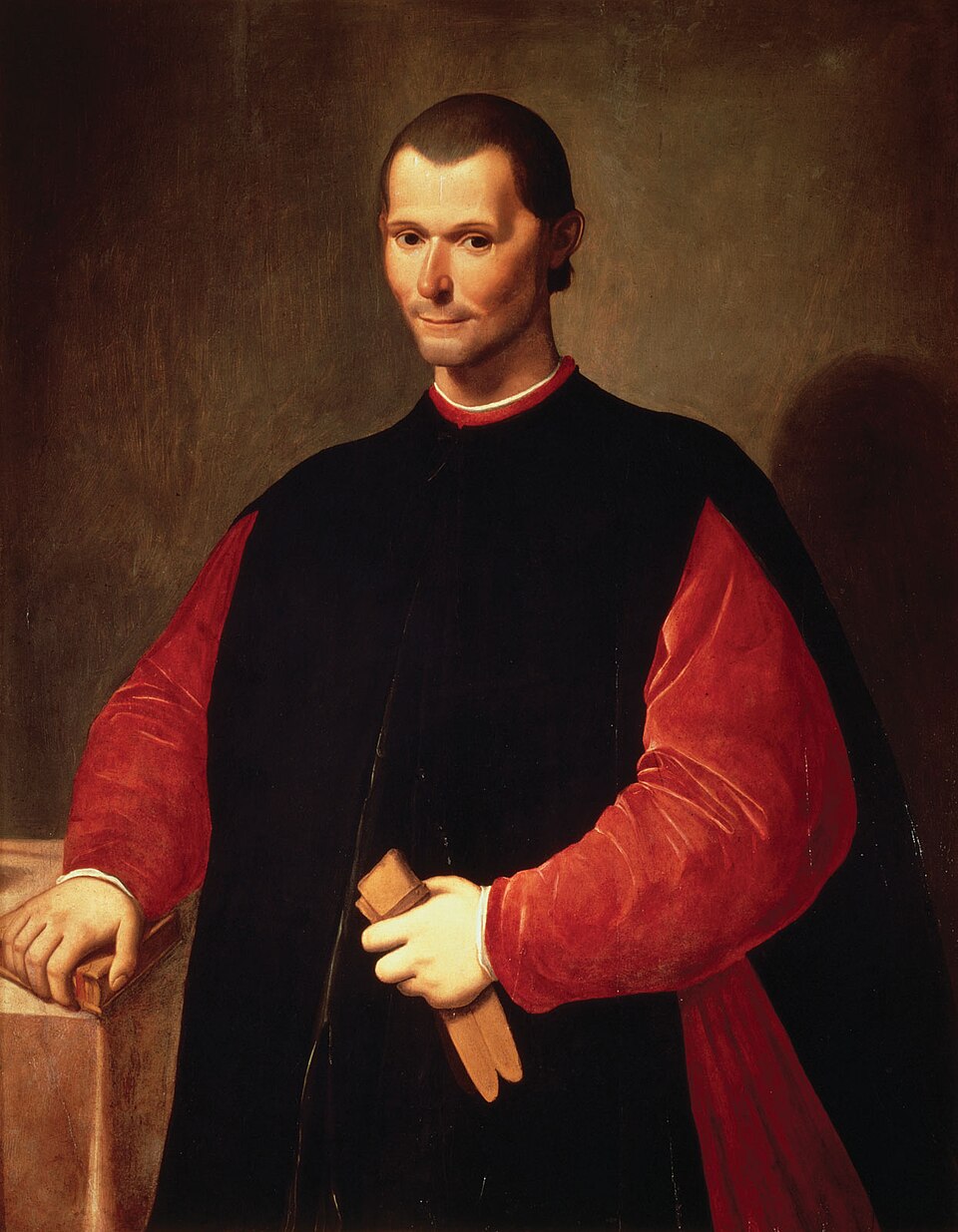
  • Portrait of Niccolò Machiavelli

    Niccolò Machiavelli

    1469–1527, Florence (republican secretary and diplomat, then exile, amid the Italian Wars)

    A State That Cannot Kill Cleanly Should Not Kill at All

    When a sovereign twice attempts an execution and the condemned lives, the body that really lies exposed on the table is the state’s own authority.

    The scene in Tennessee is clear enough. The sovereign prepares its gravest spectacle of justice, straps a woman to the gurney, and sends death through the veins—once, then again—according to its own protocol. Yet she lives, breathing and audibly so, while officials consult a rulebook that, remarkably, does not say what to do if the second killing fails. There you have the naked thing: not cruelty, which is old, nor the death penalty itself, which every age has argued, but a power that has promised the ultimate punishment and then shows it cannot deliver it cleanly. When the executioner misses, it is the executioner who is judged.

    Read the essay