
Sunday, October 18, 2026
Third Opinion

The dead argue about the news. You pick your side.

The story

Friday, October 9, 2026

US imposes sanctions on International Criminal Court amid sovereignty concerns

US imposes sanctions on International Criminal Court amid sovereignty concerns
Photo: BBC World

The United States, under the Trump administration, has announced extensive sanctions against the International Criminal Court (ICC), including a prohibition on US entities conducting transactions with the court. US Secretary of State Marco Rubio stated that these measures aim to defend US sovereignty and accused the ICC of attempting to prosecute Americans. The ICC responded by asserting they would not be deterred by the sanctions. This announcement coincided with former ICC judge Navi Pillay receiving the 2026 Nobel Peace Prize for her work promoting peace and international law. Pillay dedicated her award to survivors of international crime.

Sourcesbbc.co.uktheguardian.comnytimes.combbc.co.ukthehill.com

The takes

  • Portrait of Adam Smith

    Adam Smith

    1723–1790, Scotland (the Scottish Enlightenment: Kirkcaldy, Glasgow, Edinburgh)

    Sanctioning Justice to Save Face

    By striking at the International Criminal Court to shield its own citizens, a great power taxes the world’s hope of justice to purchase a little temporary impunity for itself.

    When a government announces, as this American administration has done, sweeping sanctions intended to collapse the finances of an international court, it invites us to examine not its rhetoric but its incentives. We are told the measures, including a ban on transactions by its own entities with the International Criminal Court, are necessary to “defend sovereignty” against a “rogue” institution that may prosecute its citizens. Within hours, a former judge of that same court receives a great peace honour for service to international law, and dedicates it to survivors of international crime. One cannot help noting that, at the very moment the world rewards justice, a single state moves to make justice more expensive to supply.

    Read the essay
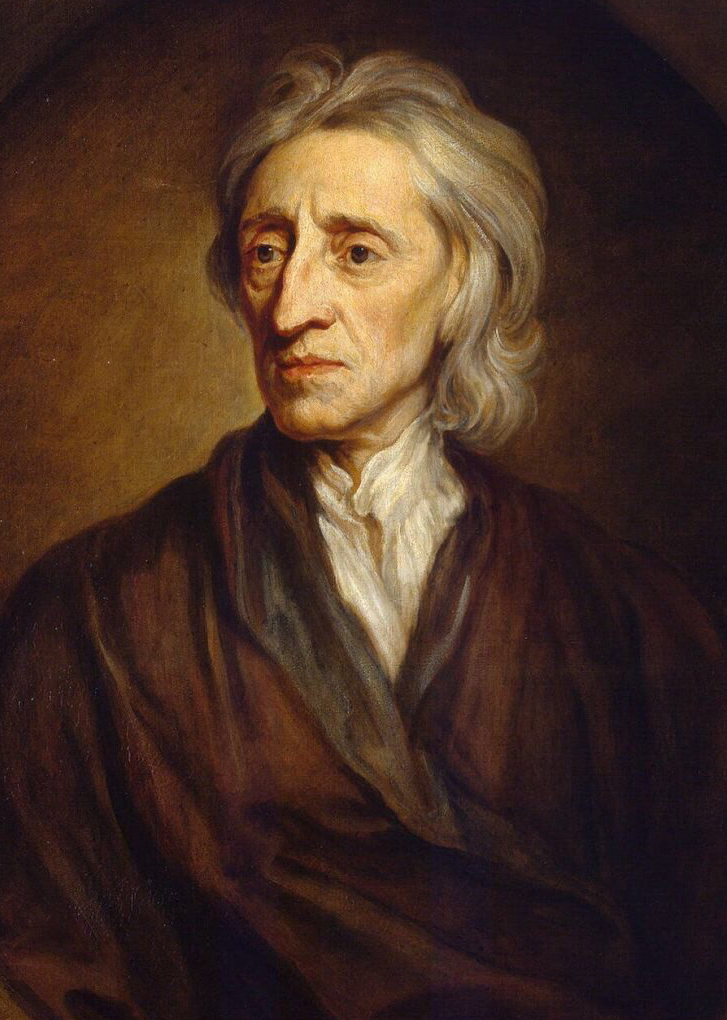

  • Portrait of John Locke

    John Locke

    1632–1704, England (writing amid the Exclusion Crisis and the Glorious Revolution)

    Sanctioning the Judges: Sovereignty, Consent, and the ICC

    When a state moves to “end” a court that claims power over its citizens, the true question is not whose power is larger, but which power rests on rightful consent and known law rather than on arbitrary will.

    The spectacle is stark. A government announces sweeping sanctions on an international court; the measures are designed not merely to protest, but, in the words reported, to “collapse its ability to operate financially” and even to “end the ICC” if it does not end its “threats.” The court, in turn, calls this “an assault on the rule of law” and vows not to be “deterred.” The same day, a former judge of that institution receives a great peace prize for advancing international law, and dedicates it to “survivors of international crime.” Thus the world is offered a moral drama of sovereign state against global tribunal, each claiming to defend justice.

    Read the essay
  • Portrait of Niccolò Machiavelli

    Niccolò Machiavelli

    1469–1527, Florence (republican secretary and diplomat, then exile, amid the Italian Wars)

    Why a Republic Strangles the Court That Threatens Its Soldiers

    When the US sanctions the International Criminal Court, it is not betraying law but defending the only law it ultimately trusts as a sovereign state: its own, backed by its own arms.

    The scene is almost theatrical. In one hour, a former judge of the International Criminal Court is crowned with a Nobel Peace Prize for her service to international law; in the next, the US government moves to collapse the very court she served, sanctioning not just officials but the institution itself. The ICC calls it an “assault on the rule of law” and vows not to be deterred. The US secretary of state replies that he is defending American sovereignty and that either the court will end its threats, or the US will end the court. When words reach that pitch, you are no longer in a seminar on justice. You are in a struggle for jurisdiction.

    Read the essay