US imposes sanctions on International Criminal Court amid sovereignty concerns
Sanctioning Justice to Save Face
By striking at the International Criminal Court to shield its own citizens, a great power taxes the world’s hope of justice to purchase a little temporary impunity for itself.
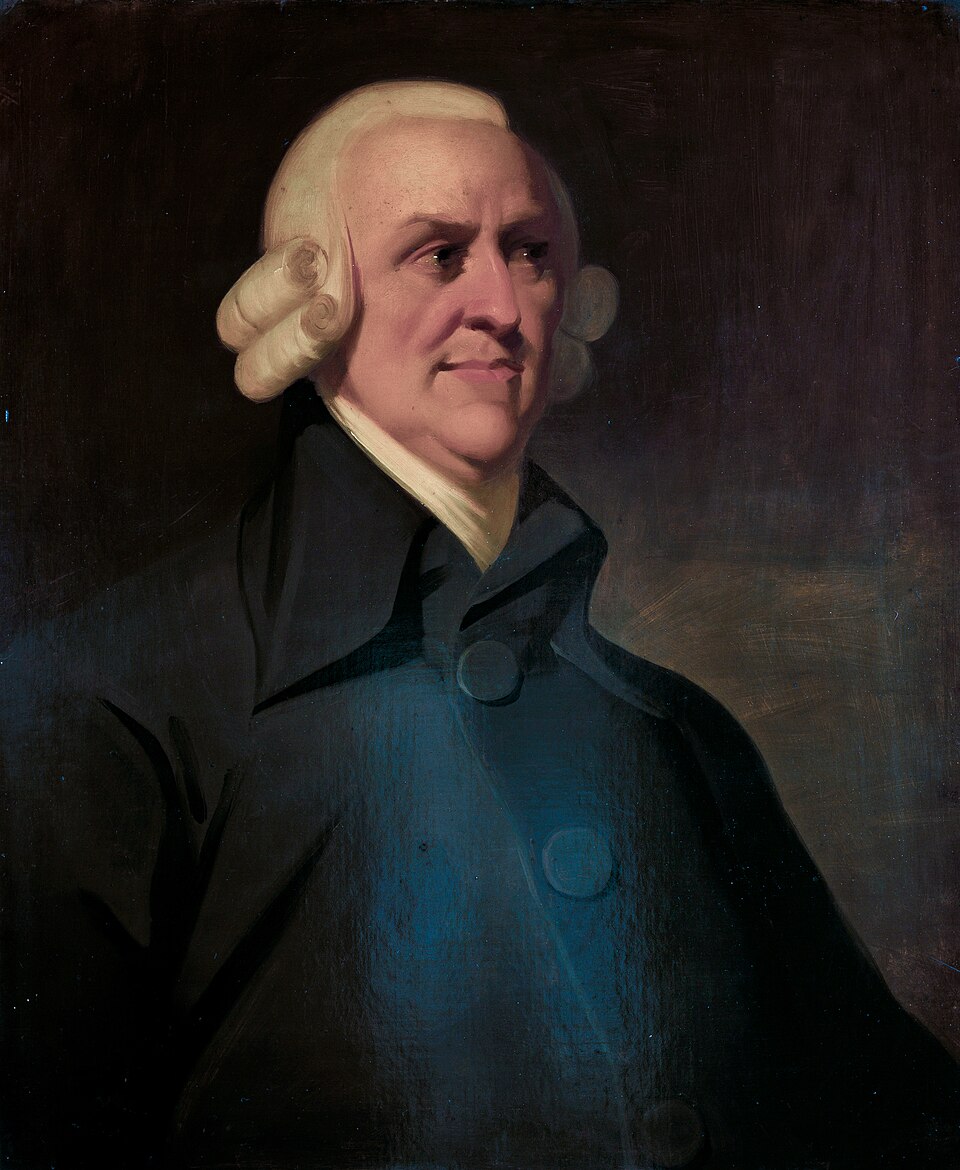
When a government announces, as this American administration has done, sweeping sanctions intended to collapse the finances of an international court, it invites us to examine not its rhetoric but its incentives. We are told the measures, including a ban on transactions by its own entities with the International Criminal Court, are necessary to “defend sovereignty” against a “rogue” institution that may prosecute its citizens. Within hours, a former judge of that same court receives a great peace honour for service to international law, and dedicates it to survivors of international crime. One cannot help noting that, at the very moment the world rewards justice, a single state moves to make justice more expensive to supply.
In the work on opulence which I published long ago, I urged that we trace every regulation to its effect upon prices, and inquire who truly pays. Here the visible burden falls on the court, denied access to a large financial system and threatened with institutional ruin. Yet the court’s business is not a private trade, but the adjudication of crimes so grave that no village tribunal, no merchants’ guild, can pretend to judge them. Its product is the expectation that even the strong may one day answer to law. When that expectation is taxed, the price is paid, not by judges, but by the unarmed in distant provinces who must then bargain with warlords instead of law.
In that same inquiry I described certain public works and institutions which, though of great benefit to society, could never repay a private undertaker. Roads, bridges, and the elementary schooling of the common people belong to this class. So does a tribunal for crimes that cross frontiers and mock any single jurisdiction. No profit-seeking company will maintain witnesses’ protection in war-torn countries, or archive evidence of atrocities for decades, on the hope of fees. If sovereigns will not themselves provide such an institution, they ought at least to refrain from dismantling it. To tear down the bridge because one fears tomorrow’s toll-keeper is a curious way of defending the freedom of the traveller.
My concern, however, is not only with efficiency but with character. In the moral work which preceded that inquiry, I asked how an impartial spectator, well informed and disinterested, would judge our conduct. Such a spectator might allow that every nation has a proper jealousy of external power, and that no people should lightly submit their soldiers to the caprice of strangers. But he would also observe that here the state in question is not resisting an imaginary danger: its officers fear legal scrutiny. To employ superior economic force to starve the very court that would hear such accusations is to be judge in one’s own cause with one hand, and to break the judge’s bench with the other.
Nor should we neglect the familiar pattern by which those who fear competition clothe their petitions in the language of the public good. When merchants of my time sought to shut out foreign rivals, they spoke always of national strength, never of their own monopolies; yet their meetings tended, as I remarked, to end in some contrivance against the public. Here we hear, not a guild of traders, but officers of a mighty state declaring that either the court will end its “threats” or they will end the court. The form is political, but the substance is the same: a powerful interest seeking exemption from a common jurisdiction, and demanding that the tribunal itself be disabled to secure that exemption.
There is in this, too, a spirit of the man of system. He imagines that, by financial pressure, he can rearrange the great chess-board of human society: here a humbled court, there a chastened prosecutor, everywhere officials newly respectful of his nation’s immunity. But the pieces have principles of motion of their own. Other states, seeing the assault on the rule of law, adjust their sympathies; victims, hearing that no one should be punished for serving justice, revise their expectations; soldiers, observing that some uniforms buy impunity, revise their conduct. The result is not orderly sovereignty, but a world in which each power claims the right to sanction every judge who displeases it.
What, then, is purchased by this policy? A momentary comfort for some agents of state violence; an applause at home from those who mistake loudness for strength; and, for the rest of mankind, a quieter signal that the vile maxim — all for ourselves, and nothing for other people — still governs too many councils. The annual produce of the land and labour of the world will not rise because an international court goes hungry; but the courage of witnesses, the self-command of commanders, and the faint hope of the labouring poor that law may yet restrain power, may all be sensibly diminished. It is a dear price to pay for the privilege of never being told one has done wrong.
From the works cited
- An Inquiry into the Nature and Causes of the Wealth of Nations — The sovereign's three duties (defence, justice, public works and institutions, including education for the common people) and the four maxims of taxation: equality, certainty, convenience, economy.
- An Inquiry into the Nature and Causes of the Wealth of Nations — Trace every policy to its effect on the price system and ask who bears the unseen cost: benefits are visible and concentrated, costs are diffuse and quiet.
- The Theory of Moral Sentiments — Judge conduct by the impartial spectator: what would a well-informed, disinterested observer feel about this action? Praise-worthiness matters more than praise; to be loved without being lovely is worth nothing, and to be blamed unjustly stings less than to deserve blame.