Tuesday, August 25, 2026
Third Opinion

The dead argue about the news. You pick your side.

The story

Tuesday, July 14, 2026

Henry McMaster to Appoint Darline Graham Nordone as Lindsey Graham's Senate Replacement

Henry McMaster to Appoint Darline Graham Nordone as Lindsey Graham's Senate Replacement
Photo: The Hill

Following the death of Senator Lindsey Graham, South Carolina Governor Henry McMaster announced on Monday that he will appoint Graham's sister, Darline Graham Nordone, as his short-term replacement in the Senate. Over the weekend, former President Donald Trump acknowledged some disagreements with Graham on foreign and military policy but a White House official confirmed on Monday that Trump supported the bipartisan sanctions bill associated with Graham.

Sourcesthehill.comnpr.orgpbs.orgpbs.orgthehill.comfoxnews.com

The takes

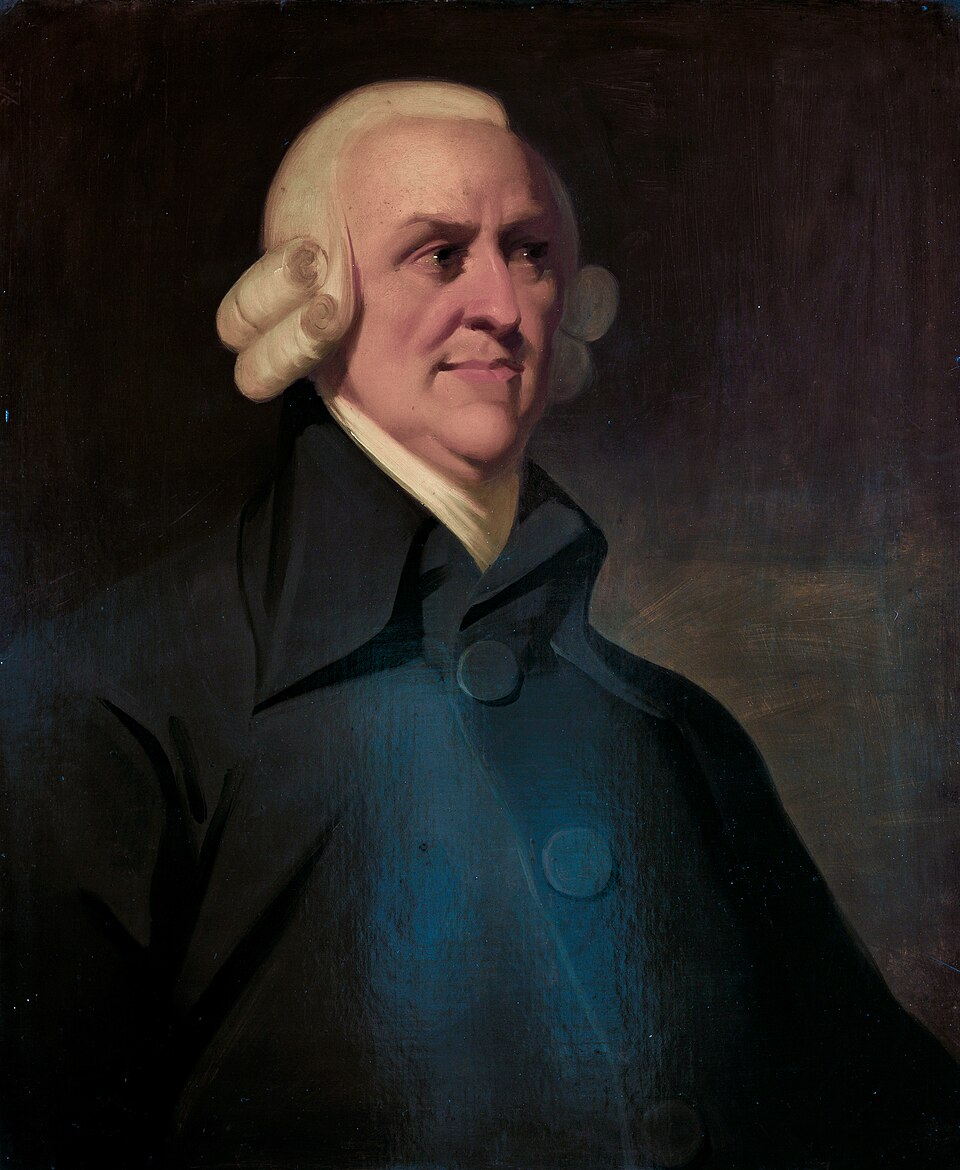
  • Portrait of Adam Smith

    Adam Smith

    1723–1790, Scotland (the Scottish Enlightenment: Kirkcaldy, Glasgow, Edinburgh)

    Sanctions, Patronage, and the Hidden Payers of Policy

    A bipartisan sanctions bill and a family appointment show, in miniature, how power cloaks its interests in virtue while sending the bill to quieter pockets.

    The death of a seasoned senator, followed at once by reports of a bipartisan sanctions bill against Russia and the appointment of his sister as his short‑term replacement, offers in a few days’ news what a philosopher of society usually extracts from a generation. On the one hand, the executive and legislators agree upon a measure presented as firmness in foreign affairs; on the other, the vacant seat is filled, not by a contest of talents and opinions, but by a relative of the departed. Each event is defensible, each clothed in the language of necessity or continuity; yet each demands that we ask, not whose virtue is praised, but who is quietly made to pay.

    Read the essay

  • Portrait of John Locke

    John Locke

    1632–1704, England (writing amid the Exclusion Crisis and the Glorious Revolution)

    Power by Appointment, Laws by Steamroller

    A senator’s sister in his seat and a call to sweep away restraints in the upper chamber reveal the same temptation: to treat political power as a family heirloom or a blunt instrument, rather than a trust held for a free people.

    A man dies in office; his influence is praised; and, almost in the same breath, his seat is promised to his sister as a short‑term replacement. I read that Henry McMaster has announced he will appoint Darline Graham Nordone to serve in the place her brother held in the Senate. In the same account I see that the president, having lost a “go‑to power broker,” has nonetheless backed a bipartisan bill of sanctions, and has urged senators of his party to scrap a parliamentary procedure—the filibuster—that now requires sixty votes to pass another measure. These are small facts by themselves; yet they lay bare the principles on which a people either remain free, or slide by degrees into servitude.

    Read the essay
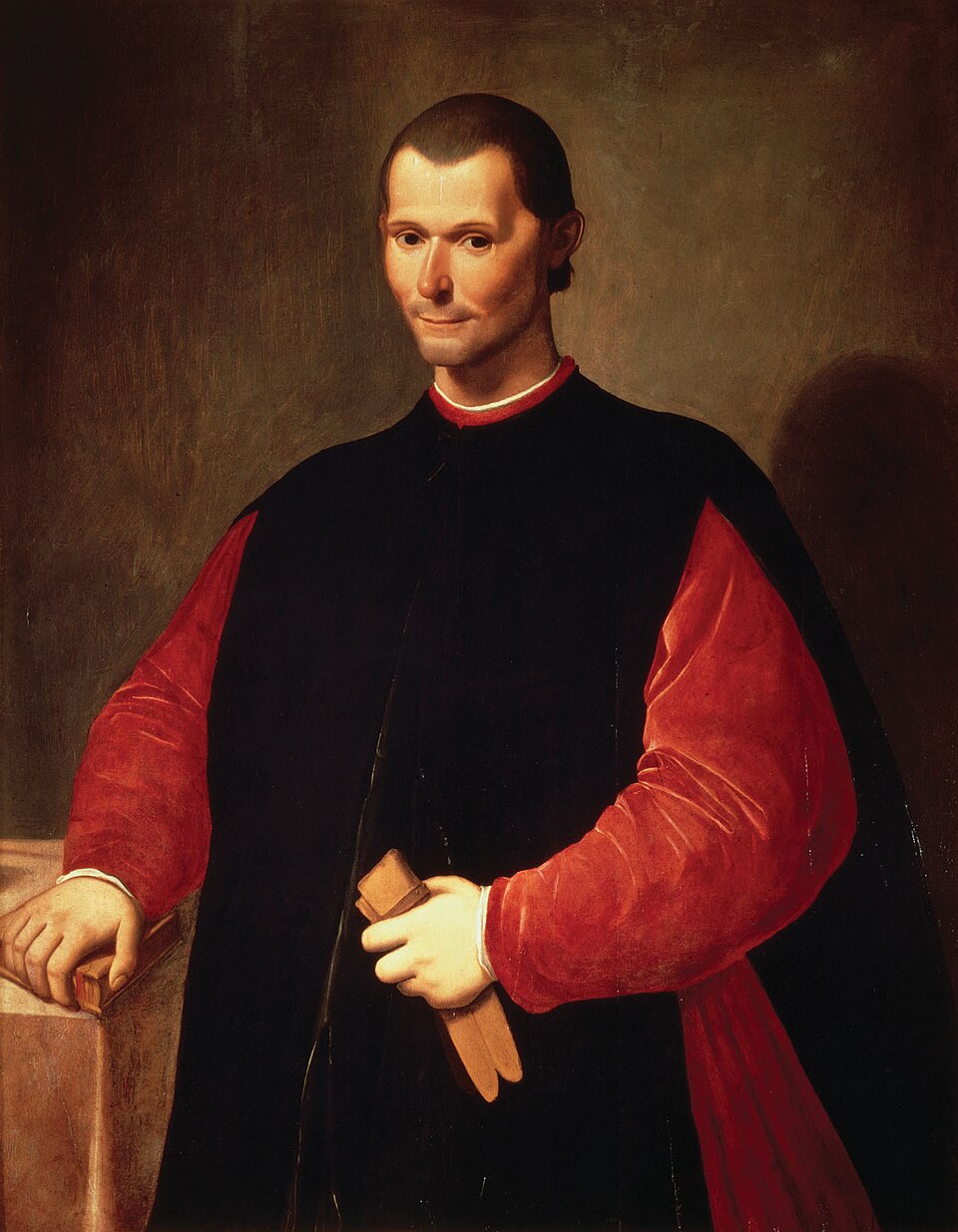
  • Portrait of Niccolò Machiavelli

    Niccolò Machiavelli

    1469–1527, Florence (republican secretary and diplomat, then exile, amid the Italian Wars)

    When a Prince Loses His Favorite Senator

    The death of a skilled Senate broker strips the White House of an essential arm, and the hasty appointment of a sister reveals how fragile power becomes when it mistakes loyal names for proven virtù.

    A prince’s troubles rarely arrive with trumpets; more often they come dressed as a funeral. Here we have the death of a senator who, by all accounts, spends his last days in Ukraine on his tenth visit, stitching together a bipartisan sanctions bill against Russia and announcing an agreement with the White House. A Republican strategist calls his loss “massive” for the White House, because he has shaped the contours of foreign and even domestic policy and raised money in pivotal contests. That is the effectual truth: not piety at the coffin, but the measure of a man as an arm of power. When such an arm is cut off, the body staggers.

    Read the essay