Henry McMaster to Appoint Darline Graham Nordone as Lindsey Graham's Senate Replacement
When a Prince Loses His Favorite Senator
The death of a skilled Senate broker strips the White House of an essential arm, and the hasty appointment of a sister reveals how fragile power becomes when it mistakes loyal names for proven virtù.
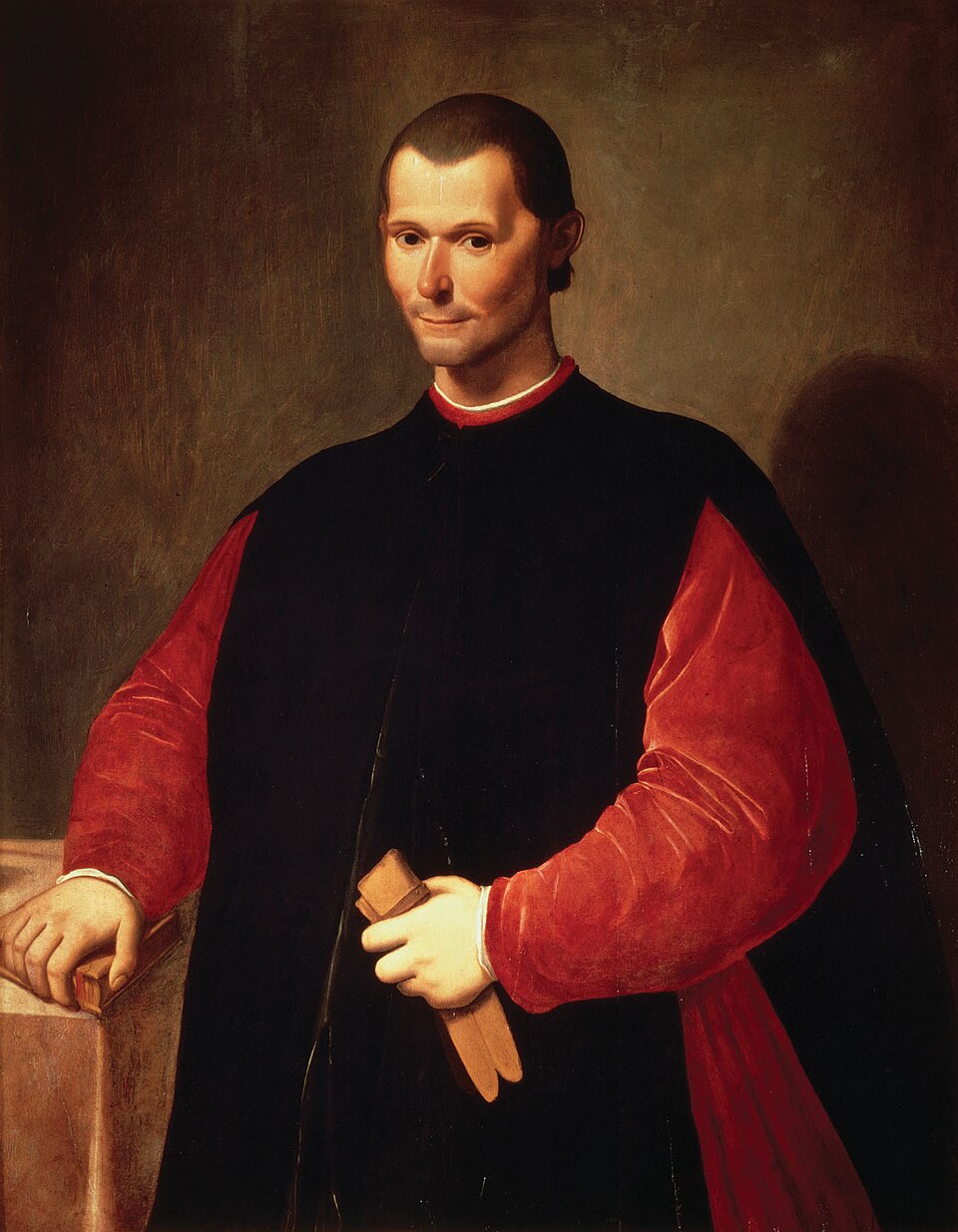
A prince’s troubles rarely arrive with trumpets; more often they come dressed as a funeral. Here we have the death of a senator who, by all accounts, spends his last days in Ukraine on his tenth visit, stitching together a bipartisan sanctions bill against Russia and announcing an agreement with the White House. A Republican strategist calls his loss “massive” for the White House, because he has shaped the contours of foreign and even domestic policy and raised money in pivotal contests. That is the effectual truth: not piety at the coffin, but the measure of a man as an arm of power. When such an arm is cut off, the body staggers.
I wrote in *The Prince* that arms of one’s own are different from mercenaries and auxiliaries, because borrowed power must be repaid at the worst moment, while your own soldiers die for you or with you. Translated to your century, the true “arms” of a leader are those lieutenants who can execute his designs inside hostile institutions. This senator serves exactly this function in the chamber: crafting sanctions, shaping policy, campaigning in swing states, turning personal trust into votes and money. When he dies, the White House does not merely lose a friend; it loses an instrument that turned intentions into law.
Notice how the president behaves around the sanctions bill. We are told he and the senator disagree on some foreign and military questions, yet a White House official confirms the president backs the bipartisan sanctions. This is not sentiment; it is necessity. A prince who wants to maintain the state must often support measures he privately doubts, provided they strengthen his position or avoid isolation. The talent lies in finding a broker who can reconcile these divergences in public, so that the prince gets both the fruits of flexibility and the image of firmness. This dead man appears to have been such a broker.
The appointment of his sister as short‑term replacement reveals the second law of power: appearances are coin. The governor moves quickly to fill the seat with a familiar surname, preserving continuity of symbol if not of substance. There is prudence in this; a gap invites rivals. But here I recall what I said about fortune in *The Prince*, in Marriott’s translation: she is a “raging river” that overwhelms where “barriers and defences have not been raised.” If the sister has not the same virtù in policy, coalition‑building, and hard bargaining, then the facade of continuity becomes a dyke of sand before the flood of events.
The Romans faced this twice in every generation: a great man dies, and his party tries to replace him with a relative bearing the name but not the steel. Sometimes this works for a season, because men judge by the eyes, and the eyes love a familiar banner. But in time the Senate or the people discover that the nephew cannot command legions or bend factions like the uncle, and the whole alignment of forces shifts. In the *Discourses on Livy* I argued, as Thomson rendered it, that all human things are in motion and cannot stand still. To act as if one can freeze a coalition by freezing a family name is to treat politics like a tomb, not a living city.
There is another detail that matters. The president has urged his party’s senators to scrap the filibuster, the rule that requires sixty votes to pass certain measures such as the SAVE America Act. This is a direct assault on an old procedural dyke. Sometimes it is necessary: new modes and orders cannot always be born under old rules. But to tamper with the laws that protect minorities in the chamber while losing the ally who best understood that chamber is like undermining your city walls on the same day your chief engineer dies. The calculation may still be right, but the margin for error narrows to a knife.
So I judge this moment as a test not of sentiment but of capacity. Can the president’s faction quickly find equal or greater virtù to replace the lost arm in the Senate—someone who can manage bipartisan tools like sanctions while advancing partisan goals like the SAVE America Act? If they cling to the old playbook, relying on the dead man’s networks and the sister’s name, fortune will grind them down, slowly and then suddenly. If instead they treat this as occasione, an occasion to re‑arm with new talent and to reckon seriously with the limits of their power in Congress, they may yet maintain the state. In politics, grief passes; only the loss of instruments endures.
uncertainty_note":"I cannot yet know whether the sister or any new broker will display equal virtù in the Senate, and on that unknown the whole prudence of this succession truly turns."}```
From the works cited
- The Prince — Arms of one's own versus mercenaries and auxiliaries: power borrowed is power owed, and it will be collected at the worst moment.
- The Prince — Virtù versus fortuna — the raging-river figure: preparation in fair weather is the whole difference between the drowned and the dry.
- Discourses on Livy — All things of men are in motion and cannot stand still: every state is either rising or declining, and a policy premised on stability is already failing.