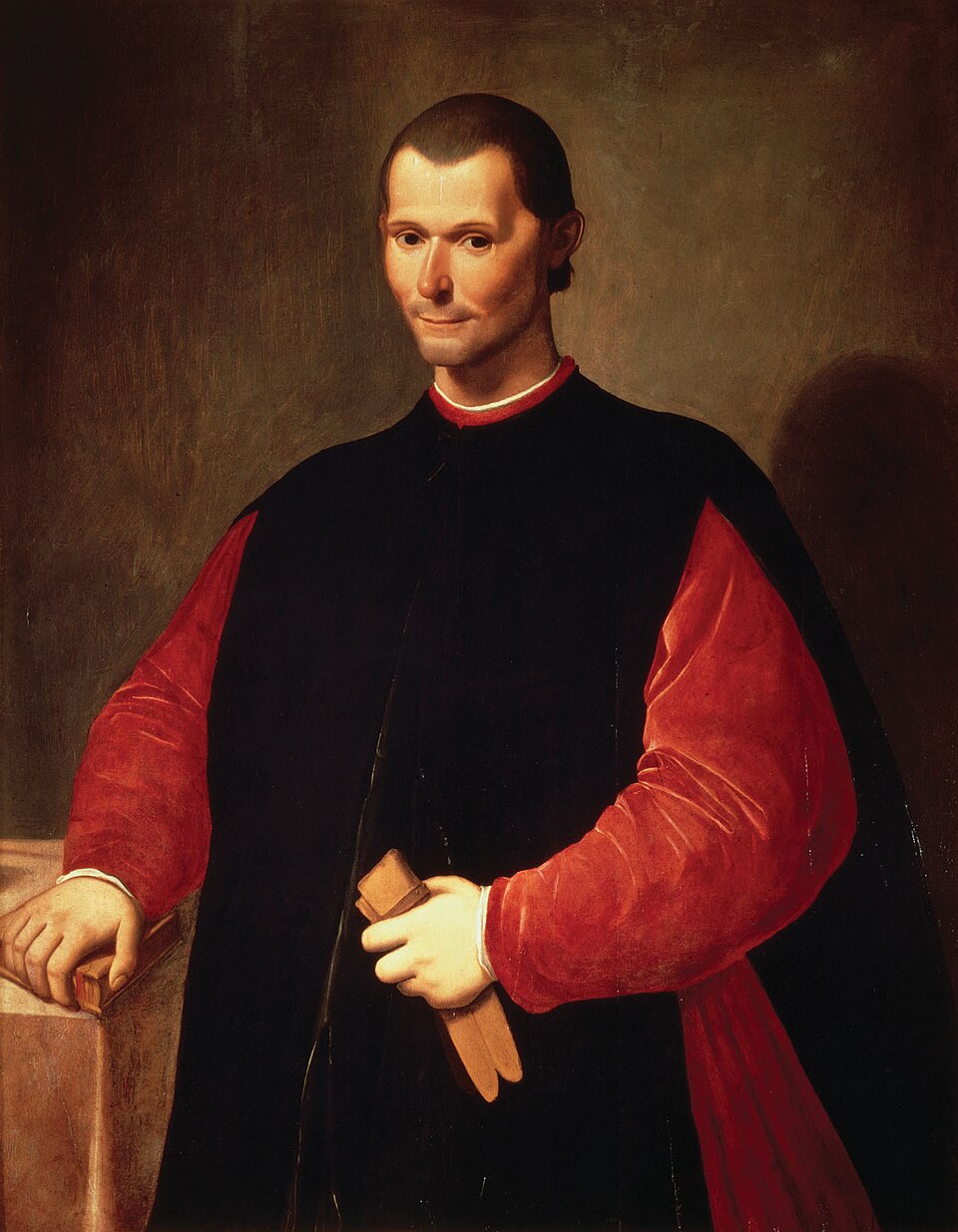
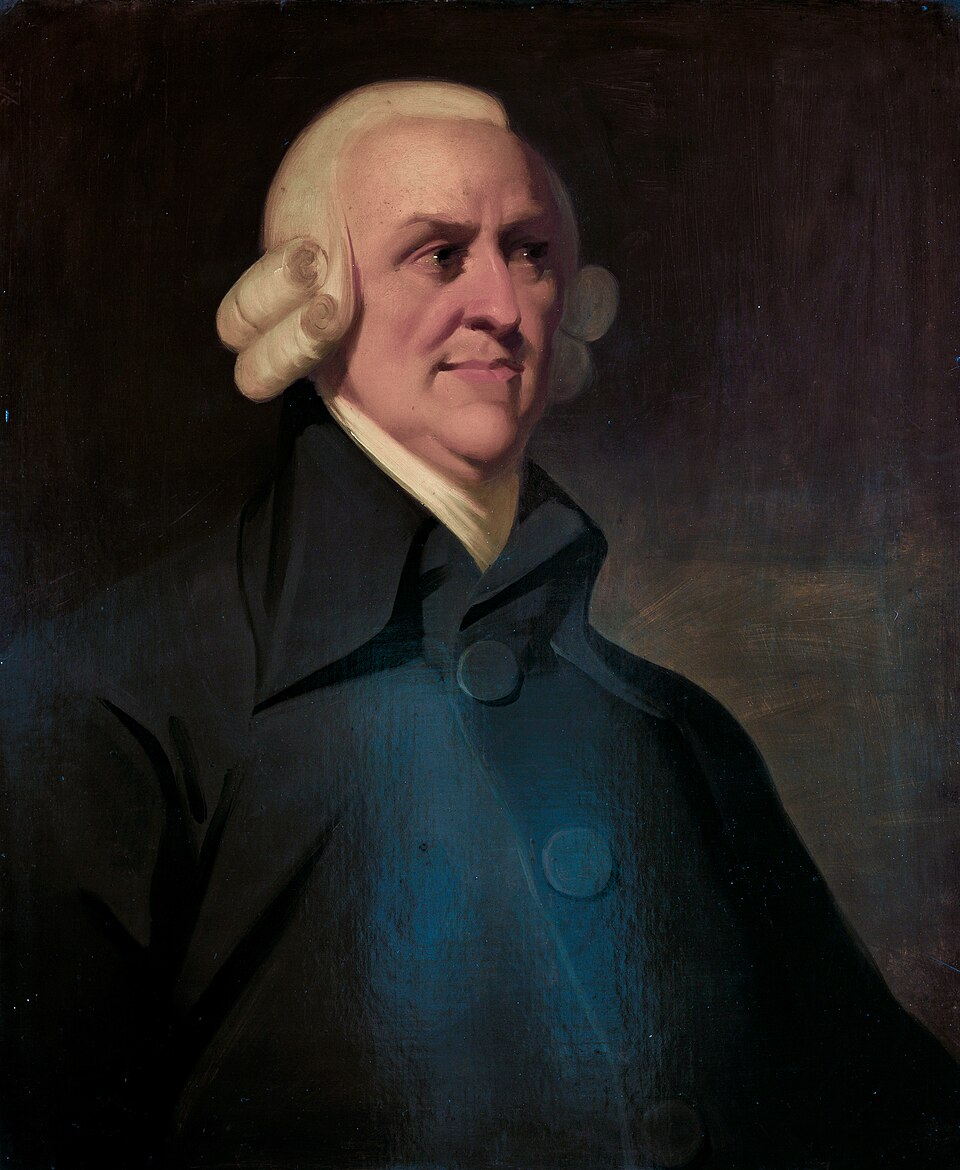
Adam Smith
1723–1790, Scotland (the Scottish Enlightenment: Kirkcaldy, Glasgow, Edinburgh)
How to Judge a Long Political Career Without Joining the Faction
When a statesman spends thirty years at the centre of power, the real question is not his loyalty to leaders or parties, but whether his self-interest, disciplined by justice, quietly served the many or noisily the few.
A statesman who spends more than thirty years in the legislature of a great commercial republic, becoming a prominent voice on war and peace and later a trusted ally of a powerful executive, presents the public with an awkward puzzle. His defenders speak of experience, steadiness, and national service; his detractors of opportunism, inconsistency, and devotion to party. Both sides, however, begin from their own faction, and each sees in the same actions either firmness or servility. If we are to judge such a career in a manner that would satisfy a well-informed and impartial spectator, we must step back from the party shout, and examine the incentives under which he acted and the interests to which he habitually inclined.
Read the essay