South Carolina Governor Appoints New Senator to Succeed Lindsey Graham
Lindsey Graham and the Craft of Not Drowning
A long-serving senator turned presidential ally shows how a modern politician survives shifting currents by arming his position, tending his reputation, and choosing, at last, not the middle course but a side.
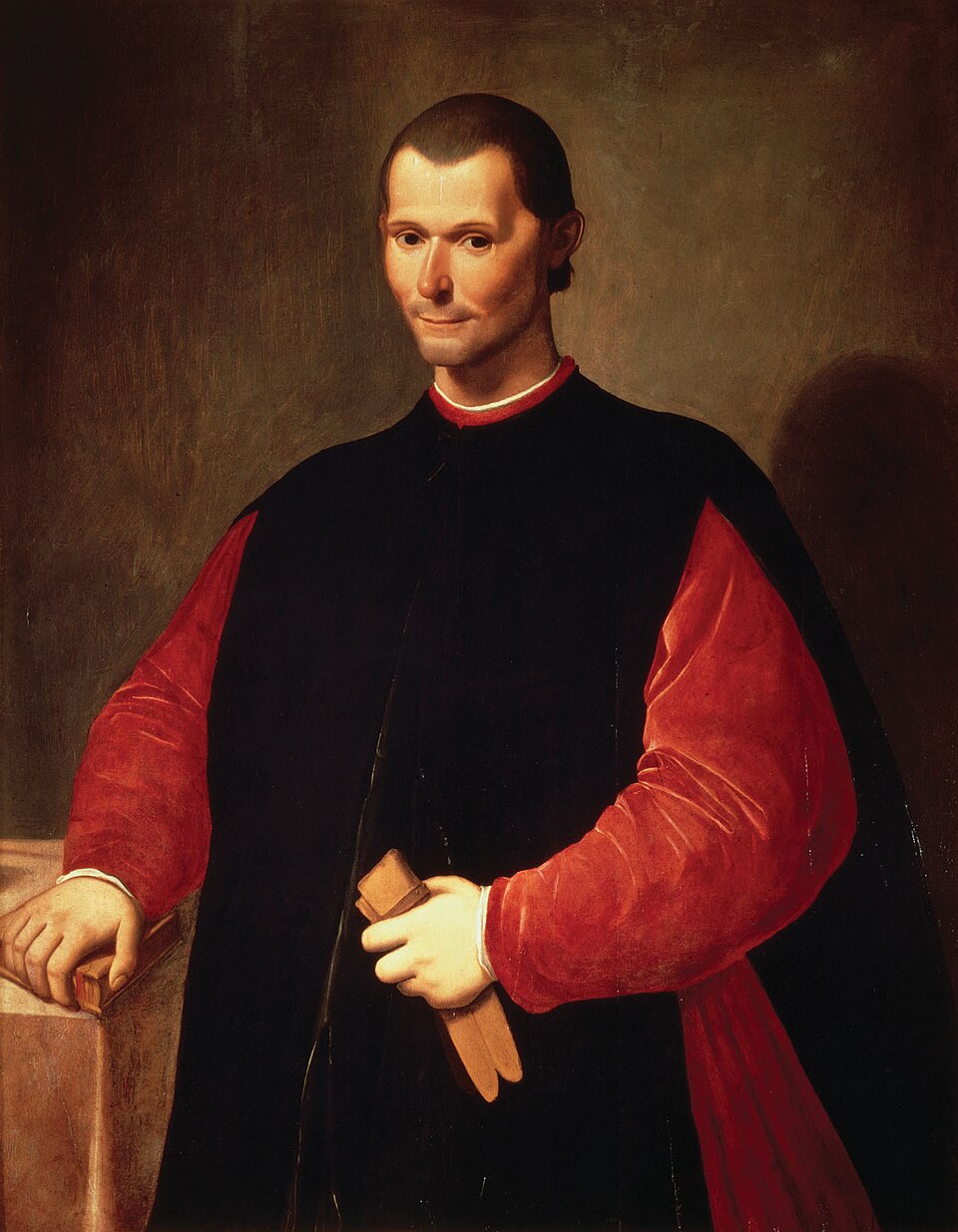
A man who spends more than 30 years in the same turbulent assembly is not lucky; he is competent. When I read that a Republican has served so long in Congress, risen to be a prominent voice on foreign policy, then become one of a president’s top allies, I do not ask first what he believed. I ask how he survived. In every republic I have known, the river of opinion rises, floods, and recedes. Some are swept away after one season. Others, like this senator, build dykes in fair weather and learn which banks to reinforce when the water changes course.
Consider the stations he held. He manages the trial of a president, sharp and plainspoken, and makes a national name. Later he chairs the Senate Judiciary Committee in the fiercest kind of contest a republic now knows: the struggle over judges, especially those for the highest court. He fiercely defends one nominee under accusation and does so before the whole people. These moments are not mere episodes. They are capital. They show he understands what I argued in The Prince, in W. K. Marriott’s translation: that fortune is a raging river which overwhelms those who have built no barriers, but respects those who have prepared.
Preparation here means more than policy white papers; it means arms. Not only soldiers, but offices, procedures, and loyalists capable of defending a line. When this senator presides over “contentious bold-print fights” about the supreme judges of the land, he is not simply arguing law. He is arming a faction. Each confirmation is a fortress that remains when his own term ends. When I wrote that “arms of one’s own” are safer than mercenaries, I meant exactly this: if your power depends only on momentary alliances, you are rented; if it rests on institutions and cadres you have staffed, you are possessed.
His foreign policy voice shows another kind of arm. To be known nationally on such questions in a great republic is to hold a kind of tribunate of security: others must consult you, or at least reckon with you, whenever the state looks outward. That status does not fall from the sky. It is conquered by constant speaking, risk-taking, sometimes being wrong in public and yet remaining useful enough that no one dares discard you. The effectual truth is that a man who becomes “one of the nation’s most prominent voices” has learned to turn every crisis into a stage on which he appears indispensable, even to rivals.
The most delicate art appears in his relation with a powerful president. I read that he once “came out swinging” against this man when many sought the same high office, and yet later became one of his “top allies.” Many will cry inconsistency. I see prudence. The Romans faced this twice every decade: yesterday’s opponent becomes today’s standard-bearer when the field has chosen its victor. In The Prince I warned that men are ruined when they do not change their nature with the times. To persist in old enmities when the people have handed the crown to another is not constancy; it is suicide.
Notice how he avoids the most dangerous position of all, which I call the middle course. He does not remain a notable but powerless critic on the margins, adored by a minority and ignored by the decisive powers. Instead he chooses, at last, a side: from sharp opponent to trusted ally. This is not mere flattery; it is investment. By defending the president’s judicial nominees with such public ferocity, he binds his fate to a coalition that can reward him. He chooses, in the old calculus, to be feared a little by opponents rather than loved weakly by everyone and obeyed by no one. The point is not cruelty, but clarity.
The final proof that he has built arms, not illusions, comes at his exit. The governor of his state appoints a successor who promises “to continue the work of her brother.” This is pure institutional succession. It tells us that his influence is not only in his speeches, which die with the news cycle, but in a network of allies and a defined “work” that others can inherit and extend. A man whose place is filled by an enemy has lost. A man whose place is filled by kin ready to carry on has founded something. In politics as in war, the surest sign of virtù is that your line continues to fire after you are no longer on the field.
From the works cited
- The Prince — Virtù versus fortuna — the raging-river figure: preparation in fair weather is the whole difference between the drowned and the dry.
- The Prince — Arms of one's own versus mercenaries and auxiliaries: power borrowed is power owed, and it will be collected at the worst moment.
- The Prince — The economy of violence and the feared/loved calculus: better feared than loved if one must choose, but never hated — fear rests on the prince's will, love on the fickle will of others.