
Tuesday, August 25, 2026
Third Opinion

The dead argue about the news. You pick your side.

The story

Friday, July 17, 2026

US and Iran Exchange Strikes Targeting Military and Civilian Infrastructure

US and Iran Exchange Strikes Targeting Military and Civilian Infrastructure
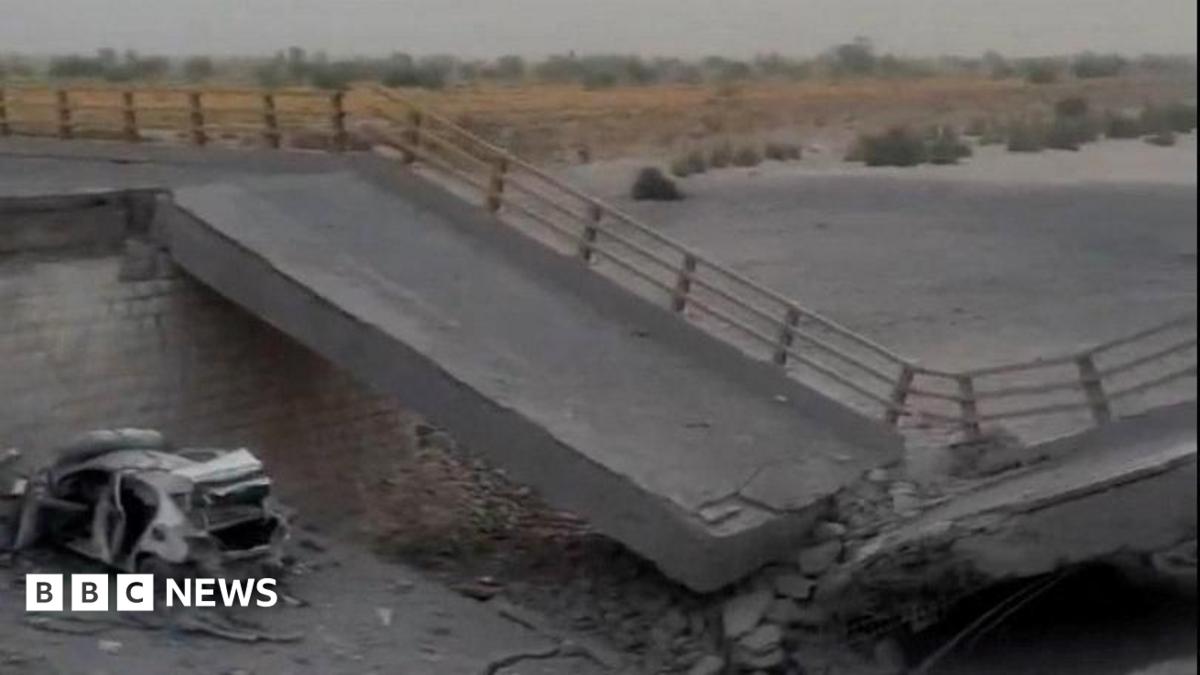
Photo: BBC World

US Central Command reported conducting strikes on Iranian military capabilities, targeting locations including Iranshahr Airport in southeastern Iran, a railway station, and six bridges in Hormozgan province. These attacks caused damage to civilian infrastructure, resulting in power outages in Hormozgan and minor damage to a civilian airport in Semnan. In response, Iran announced the closure of the Strait of Hormuz and launched missile and drone attacks on Gulf neighbors, including strikes on US aircraft at a military base in Bahrain. Air defense systems were activated across several Gulf countries amid escalating tensions. Additionally, Iranian strikes were reported in Iraq's Kurdistan region, resulting in at least eight fatalities. Iranian health officials reported 38 deaths and over 400 injuries in the past week related to the conflict. US actions follow previous statements about targeting Iranian civilian infrastructure, which have drawn international criticism.

Sourcesaljazeera.combbc.co.uknpr.orgreason.comthehill.com

The takes

  • Portrait of Adam Smith

    Adam Smith

    1723–1790, Scotland (the Scottish Enlightenment: Kirkcaldy, Glasgow, Edinburgh)

    Bombing Bridges and Closing Straits Is Not Defence, but Self-Impoverishment

    When states wage war on each other’s public works and trade routes, they do not protect their people; they tax them in blood and opulence for the sake of status and illusion.

    The picture presented is unhappily plain. For six nights, the armed power of the United States has struck bridges, a railway station, electricity infrastructure and civilian airports in Iran; health officials there reckon dozens killed and hundreds wounded, and report power cuts in Hormozgan after damage to the grid. A girls’ school has been destroyed with dreadful loss of life; a hospital rendered inoperable, its patients hurriedly evacuated. Tehran, in its turn, has fired missiles and drones at its neighbours and at U.S. aircraft in the Gulf, and has announced the closure of the Strait of Hormuz after an earlier clash at sea. The language is of security and capability; the objects actually hit are schools, bridges, ports and people.

    Read the essay


  • Portrait of John Locke

    John Locke

    1632–1704, England (writing amid the Exclusion Crisis and the Glorious Revolution)

    Bombing Bridges Is Not Government, It Is Usurpation

    When rulers rain fire on civilians and call it security, they step out of civil government and into a state of war with the people they claim to protect.

    American forces, we are told, have struck bridges, a railway station, a civilian airport building, and electricity infrastructure in southern Iran, producing power cuts and damaged transport, while a girls’ elementary school was destroyed in an earlier “double‑tap” strike that killed at least 150 persons, most of them children and staff, with a hospital rendered inoperable and its patients driven out. Iranian officials now report 38 dead and over 400 wounded in a single week. The American command declares these attacks aim “to further degrade Iranian military capabilities,” and a former American ruler had spoken openly of bombing civilian infrastructure. I begin, as I did in my Second Treatise, with a plain question: what sort of power over men could any free and equal people ever consent to here?

    Read the essay
  • Portrait of Niccolò Machiavelli

    Niccolò Machiavelli

    1469–1527, Florence (republican secretary and diplomat, then exile, amid the Italian Wars)

    Bombing Bridges, Building Enemies

    By striking Iran’s civilian infrastructure without breaking its power, the United States is teaching its adversary exactly how to harden, unify, and escalate against it.

    The present scene is clear enough. Washington strikes six bridges in Iran’s Hormozgan province, hits Iranshahr Airport and a railway station, and leaves lights out and power infrastructure damaged around Bandar Khamir and Bandar Abbas. Iranian authorities count at least 38 dead and over 400 wounded in a week, on top of earlier attacks that destroyed a girls’ school and rendered a hospital inoperable. The UN’s jurist calls such attacks on civilians and civilian infrastructure possible war crimes; the American commander replies that the aim is to “further degrade Iranian military capabilities.” I do not sit in their councils; I look only at effect. When you bomb a people’s bridges, you are gambling on their fear outpacing their hatred.

    Read the essay