US and Iran Exchange Strikes Targeting Military and Civilian Infrastructure
Bombing Bridges and Closing Straits Is Not Defence, but Self-Impoverishment
When states wage war on each other’s public works and trade routes, they do not protect their people; they tax them in blood and opulence for the sake of status and illusion.
The picture presented is unhappily plain. For six nights, the armed power of the United States has struck bridges, a railway station, electricity infrastructure and civilian airports in Iran; health officials there reckon dozens killed and hundreds wounded, and report power cuts in Hormozgan after damage to the grid. A girls’ school has been destroyed with dreadful loss of life; a hospital rendered inoperable, its patients hurriedly evacuated. Tehran, in its turn, has fired missiles and drones at its neighbours and at U.S. aircraft in the Gulf, and has announced the closure of the Strait of Hormuz after an earlier clash at sea. The language is of security and capability; the objects actually hit are schools, bridges, ports and people.
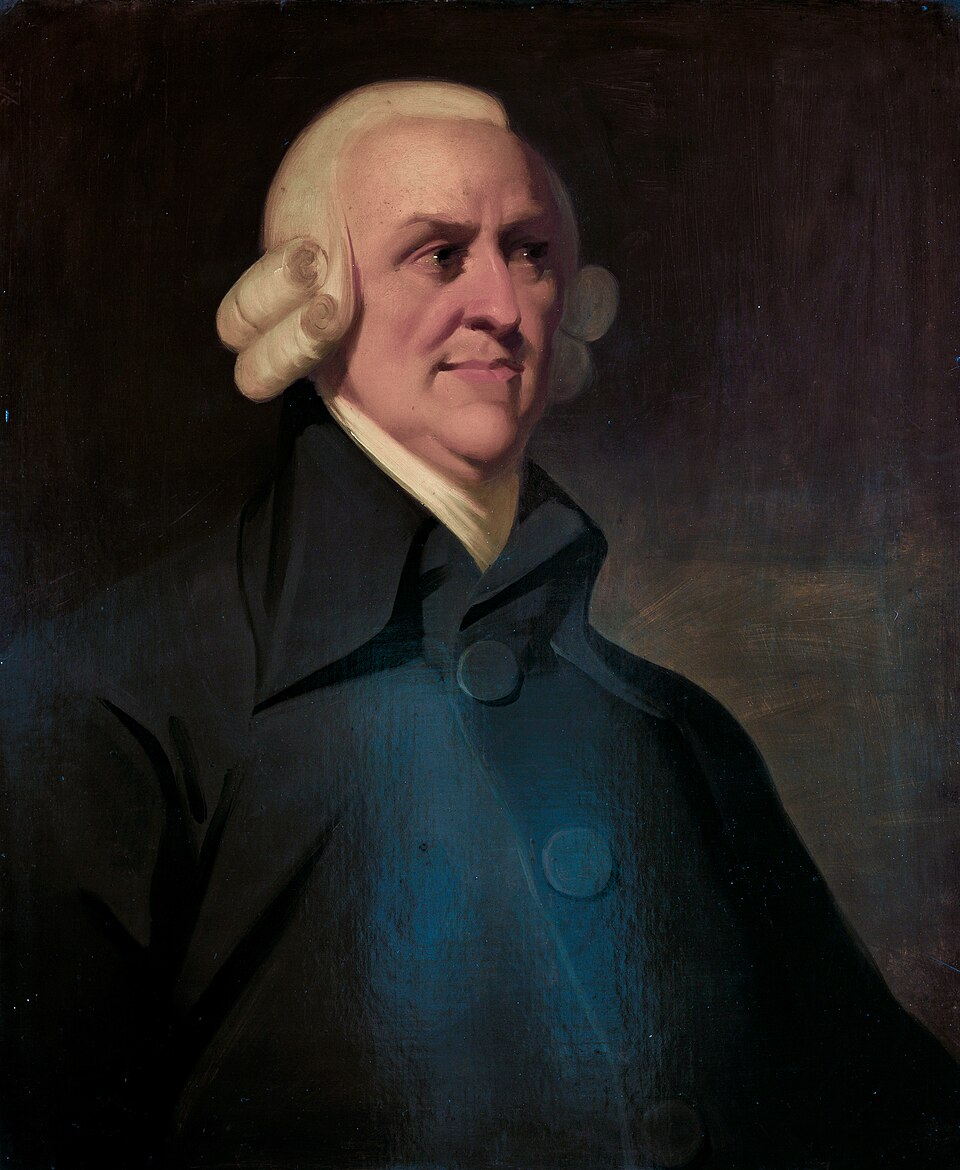
In my Inquiry into the Nature and Causes of the Wealth of Nations, I began not from bullion or from courtly grandeur, but from the humble division of labour which allows a pin-factory, or its modern descendants, to multiply output beyond imagination. That division of labour is limited by the extent of the market; whatever narrows markets, breaks roads, or makes carriage dangerous, diminishes it. A bridge west of Bandar Abbas may appear to distant ministers a trivial piece upon the great chess-board of human society; to the labouring poor who cross it to work, to trade, to visit a doctor, it is the very condition of their daily bread. To bomb such works is to tax them, in hunger and lost wages, for a project in which they had no voice.
The same is true, with a vengeance, of the Strait of Hormuz. When Tehran closes that narrow passage and sends missiles and drones towards its Gulf neighbours, it does not only menace opposing fleets; it constricts the whole circulation of regional commerce. Container ports, refineries, merchants and mariners from Bahrain to Oman are thrown into costly confusion; air defence systems light up; insurance rises, sailings are delayed, crews hesitate. The effect is not confined to great houses of trade. Every interruption of that traffic works backward, through a long chain of contracts and employments, upon the wages of dockworkers, truck-drivers, clerks, and the price paid by ordinary consumers far from the scene. The glory is national; the bill is presented to innumerable private households.
Now, the first duty of the sovereign is defence; on this I have never wavered. US Central Command declares that its attacks are intended to “further degrade Iranian military capabilities,” and a state that has suffered attack on a merchant vessel cannot be blamed for wishing to deter repetition. Yet in The Theory of Moral Sentiments I urged that we judge conduct by the eyes of an impartial spectator, well-informed and disinterested. Could such a spectator, observing bridges, schools, hospitals, airports and electricity infrastructure repeatedly struck, accept that every chosen object was a military necessity, and not rather that noncombatants were being used as convenient instruments of terror and pressure? The forms of war change; the rules of justice do not.
There is here a further economic trespass. In Wealth of Nations I allowed that the sovereign might rightly erect and maintain certain public works and institutions, which, though of great utility, would never repay a private undertaker. Bridges, ports, hospitals and the like are of this sort. For a government to destroy in another country what it would praise as civilised improvement at home, and to do so not in the heat of battle but over successive nights, is to make war directly upon the foundations of opulence. It is to reverse the natural progress, which moves from rude subsistence towards secure, educated prosperity, and to drive it backward by deliberate policy, as if poverty in a rival nation were a gain to one’s own.
Who then gains? Not, I suspect, the public on either side, who must endure insecurity, dearer goods, and the diversion of revenue from useful works to replenishing expended missiles. When merchants, contractors, and certain political interests discover that every new tension justifies new orders, new bases, new budgets, we should recall that people of the same trade seldom meet, even for merriment, but the conversation ends in some contrivance against the public. I do not accuse any particular man of conscious villainy; I observe only that when profit attends continued danger, we ought to regard with the most suspicious attention every argument that proves danger to be perpetual.
Beneath it all lies the old deception which, in Moral Sentiments, I described in the poor man’s son: the belief that, if only his station rose, happiness would follow, though in pursuit of this dream he toils without rest and dies as weary as he began. Nations, it seems, are subject to the same illusion. They ruin bridges in Hormozgan and close the Strait of Hormuz; they display their resolve with missiles over Bahrain and Kuwait; they count it all honour, though the labouring poor become poorer, the market narrower, and the world more afraid. To sacrifice real tranquillity and real wealth for these phantoms of security and pre-eminence is not policy; it is vanity armed with explosives.
From the works cited
- An Inquiry into the Nature and Causes of the Wealth of Nations — The division of labour (the pin factory) as the engine of opulence, limited by the extent of the market.
- An Inquiry into the Nature and Causes of the Wealth of Nations — The sovereign's three duties (defence, justice, public works and institutions, including education for the common people) and the four maxims of taxation: equality, certainty, convenience, economy.
- The Theory of Moral Sentiments — Judge conduct by the impartial spectator: what would a well-informed, disinterested observer feel about this action? Praise-worthiness matters more than praise; to be loved without being lovely is worth nothing, and to be blamed unjustly stings less than to deserve blame.