US and Iran Exchange Strikes Targeting Military and Civilian Infrastructure
Bombing Bridges, Building Enemies
By striking Iran’s civilian infrastructure without breaking its power, the United States is teaching its adversary exactly how to harden, unify, and escalate against it.
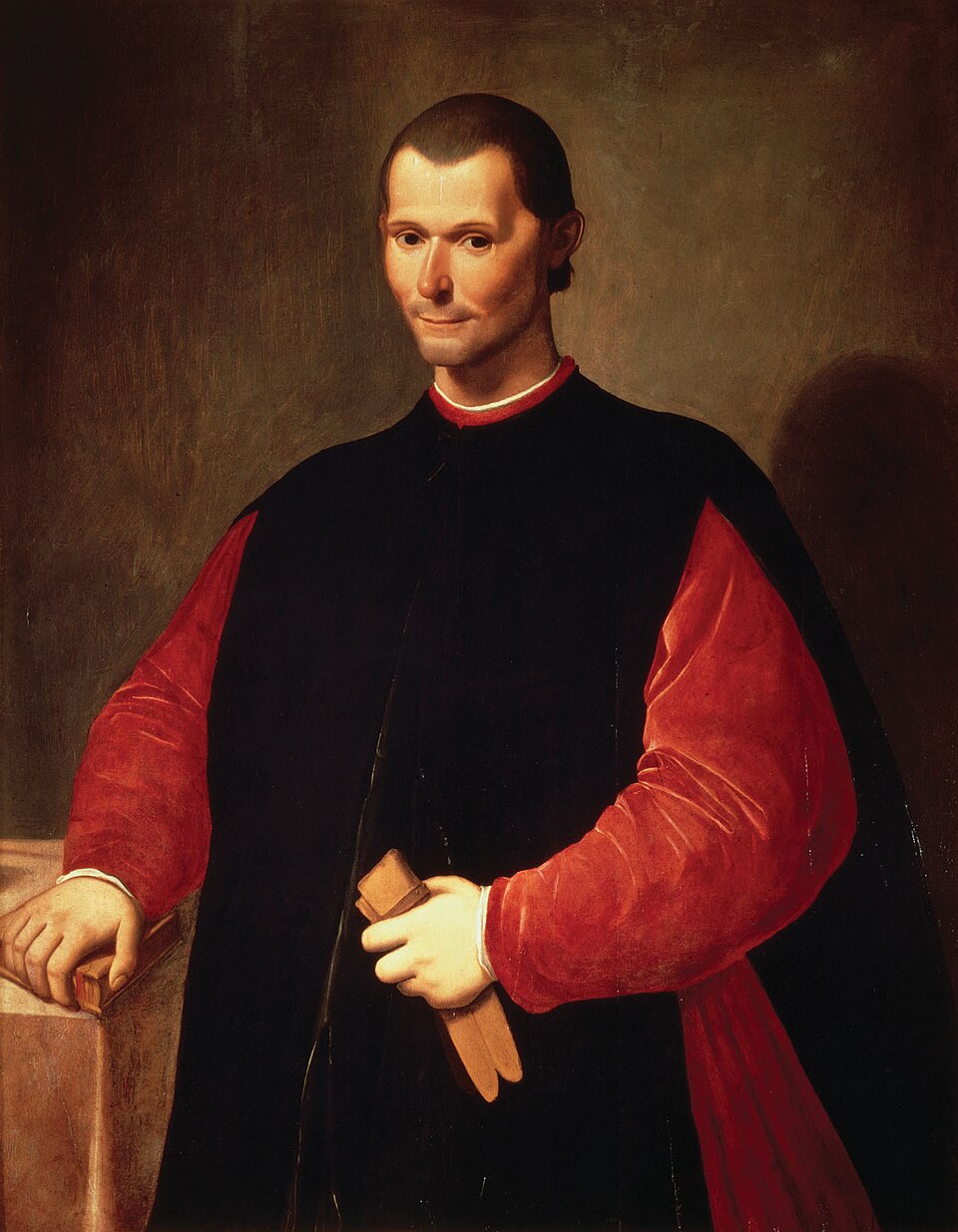
The present scene is clear enough. Washington strikes six bridges in Iran’s Hormozgan province, hits Iranshahr Airport and a railway station, and leaves lights out and power infrastructure damaged around Bandar Khamir and Bandar Abbas. Iranian authorities count at least 38 dead and over 400 wounded in a week, on top of earlier attacks that destroyed a girls’ school and rendered a hospital inoperable. The UN’s jurist calls such attacks on civilians and civilian infrastructure possible war crimes; the American commander replies that the aim is to “further degrade Iranian military capabilities.” I do not sit in their councils; I look only at effect. When you bomb a people’s bridges, you are gambling on their fear outpacing their hatred.
Iran answers as any serious state must. Its forces had already attacked a merchant vessel, which the crew abandoned in flames. In response to fresh US strikes, Tehran closes the Strait of Hormuz and launches missiles and drones not only at US aircraft in Bahrain but also at Gulf neighbours, forcing air defences awake across Kuwait, Oman, Qatar, the Emirates and Jordan. Iranian arms also reach into Iraqi Kurdistan, where at least eight opposition fighters die. Each side calls its moves defensive and necessary; each in fact is testing how far the other will go before something truly breaks. States do not trade speeches in such moments; they trade pain.
When I wrote in *The Prince*, in W. K. Marriott’s translation, that fortune is a raging river which overwhelms those who built no dykes in fair weather, I meant that the storm is never the whole story. The United States now complains of Iranian attacks and closure of Hormuz, yet we see it has been striking Iranian targets for six nights in a row and even boarding a vessel in a blockade of Iranian ports. This is not an accident; it is a policy. The question is whether its dykes are suited to this flood: whether degrading some air defences and logistics with nightly blows, while leaving the enemy’s regime, coastline, and rockets intact, is prudence or theater. To wound a power’s pride without breaking its arms is to irrigate its courage.
The same applies to Iran. Closing Hormuz and striking neighbours shows virtù: boldness, preparation, a willingness to exploit the occasione of American aggression to rally domestic opinion and advertise regional reach. But a closure of so vital a strait is not a gesture; it is a commitment to sustained confrontation against a stronger navy and a network of Gulf states now roused and activating their air defences. As I argued about new princes who seize a city and then hesitate, boldness that is not matched by the means to hold what you have taken becomes recklessness. Tehran displays that it can hurt ships, aircraft and opponents abroad; it has yet to show that it can endure the retaliation that such hurt invites.
Here both actors offend against a rule I hold as firm as any law of physics. Severity must be well-used: sudden, necessary, and then reduced, so that fear ends disorder without becoming a school for hatred. Ill-used severity is diffused, prolonged, and mixed with the illusion of mercy, so that the prince pays the price of cruelty and gains no security. Repeated US strikes on civilian airports, bridges, schools, and hospitals, while speaking of limited goals, smell to me of this middle course. Iran imitates the same vice by scattering drones and missiles across many neighbours instead of either striking decisively at the source of its fear or seeking terms. Half-measures, when soaked in blood, are the most expensive policy on earth.
I once distinguished between arms of one’s own and mercenaries or auxiliaries. You see the modern version here. The United States leans on bases in Bahrain and partnerships across the Gulf; Iran leans on Revolutionary Guard units, militias, and opposition groups it targets or employs in Iraq’s Kurdistan. Coalitions and clients are useful, but they are also creditors who demand payment in security guarantees, weapons, and diplomatic cover. Already Kuwait says it is responding to missile and drone attacks; other Gulf states have their air defences working overtime. Today they tolerate the contest because they fear Tehran; tomorrow they may tire of being the anvil on which two larger powers hammer. Borrowed strength always comes with a bill.
In the *Discourses on Livy*, in Ninian Hill Thomson’s translation, I praised Rome’s tumults between the senate and the people, which produced laws and tribunes instead of civil war. Here, by contrast, conflict is unmanaged and has no institutional channel. There is only the Strait of Hormuz, bridges in Hormozgan, airports in Semnan, and bodies in Sulaymaniyah. The peoples involved are not consulted; they are struck. This is corruption in my sense: not sexual license, but a condition where the great decide and the many only suffer. From such corruption come long wars, piracy, and the rise of men more violent than those who began the quarrel. Where there are no dykes of law, men build dykes of steel.
So I return to the effectual truth. The United States says it is degrading Iranian military capabilities; in practice it is achieving this: it has unified Iran’s rulers with their public under foreign fire, justified Iranian closure of a vital strait as self-defence to their own people, and taught every Gulf state that hosting its forces draws Iranian missiles. Iran says it is defending its sovereignty; in practice it has exposed its allies and neighbours to attack, invited further US strikes, and wagered its commerce on a blockade it may not control. Each behaves as if time were on his side, yet every night of limited strikes and partial retaliation lets hatred harden and prudence wither. In war, the middle course is not a path; it is a whirlpool.
From the works cited
- The Prince — Virtù versus fortuna — the raging-river figure: preparation in fair weather is the whole difference between the drowned and the dry.
- The Prince — Arms of one's own versus mercenaries and auxiliaries: power borrowed is power owed, and it will be collected at the worst moment.
- Discourses on Livy — Managed conflict between the great and the people is the source of a free state's vigor — Rome's tumults produced its liberty.