Tuesday, July 28, 2026
Third Opinion

The dead argue about the news. You pick your side.

The story

Tuesday, July 28, 2026

Trump Meets Zelensky and Netanyahu Ahead of Senator Lindsey Graham's Funeral

Trump Meets Zelensky and Netanyahu Ahead of Senator Lindsey Graham's Funeral
Photo: The Hill

U.S. President Donald Trump is scheduled to meet with Ukrainian President Volodymyr Zelensky and Israeli Prime Minister Benjamin Netanyahu at the White House. Both leaders are in Washington to attend the funeral of Senator Lindsey Graham, who died earlier this month at age 71. The meeting with Netanyahu marks their first encounter at the White House since the Iran conflict began in February. Netanyahu plans to share Israeli intelligence on Tehran's nuclear program with Trump amid rising U.S.-Iran tensions. The State Department announced that the next round of Israel-Lebanon talks will occur next week in Rome, focusing on expanding the program. Local officials have cited an International Criminal Court warrant for Netanyahu's arrest during his visit for the UN General Assembly, though federal officials hold detention authority.

Sourcesthehill.compbs.orgthehill.comthehill.comnpr.orgnpr.orgreason.combbc.co.uknytimes.comthehill.commotherjones.com

The takes

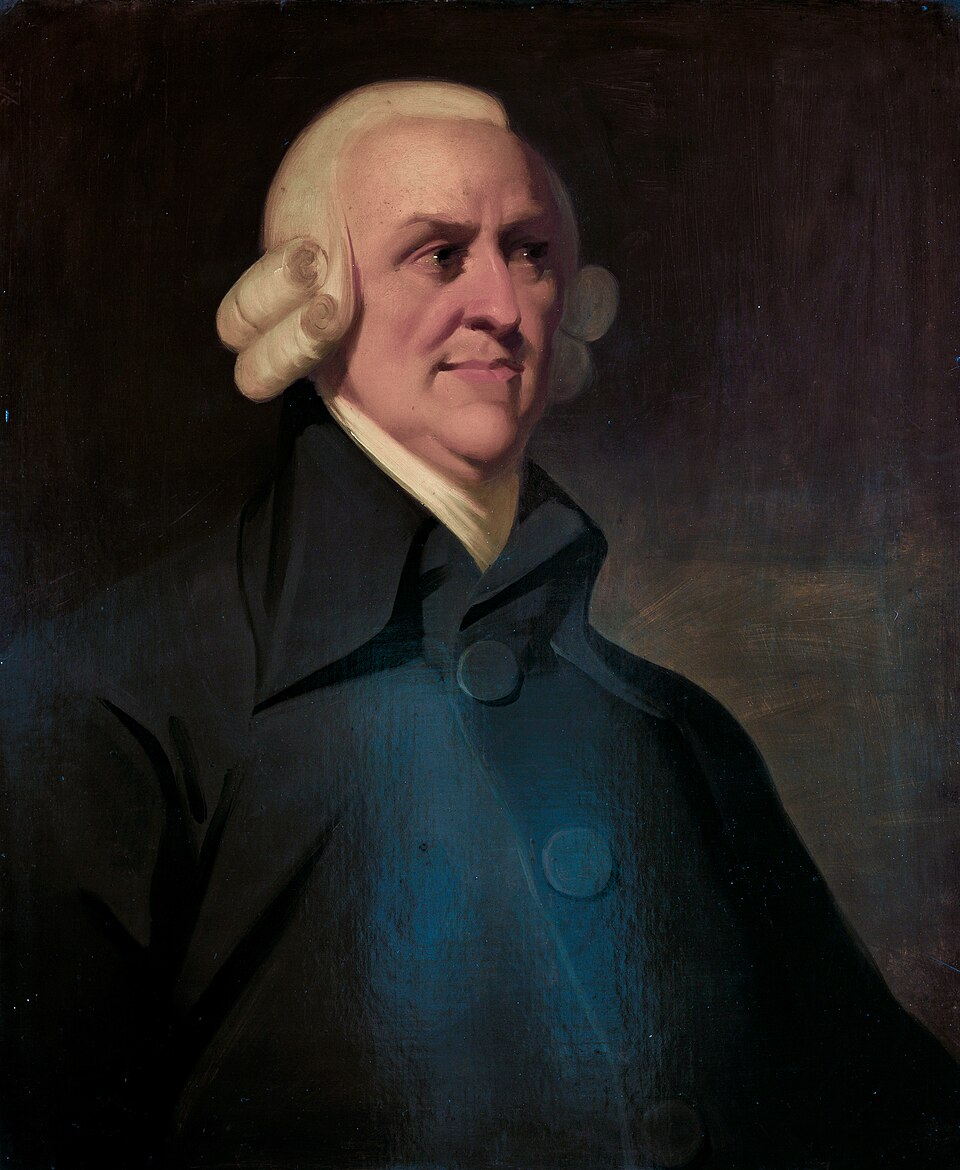
  • Portrait of Adam Smith

    Adam Smith

    1723–1790, Scotland (the Scottish Enlightenment: Kirkcaldy, Glasgow, Edinburgh)

    War Rooms at a Funeral

    When statesmen turn a memorial into a council of war, we should ask who pays for their designs, and in what coin the bill is presented.

    In Washington, on the day appointed to honour a senator celebrated for his zeal in foreign quarrels, the living have arranged a different sort of ceremony. Before the funeral cortège moves, a president receives first the ruler of a country at war with Russia, then the head of a government engaged in war with Iran, and afterwards will confer again with the latter upon intelligence about Tehran’s nuclear projects. The dead are praised for their attachment to “security and freedom,” yet the hours before their burial are spent discussing missiles, sanctions, and stratagems. Even in mourning, modern politics cannot resist the temptation to turn every gathering into a little congress of war.

    Read the essay
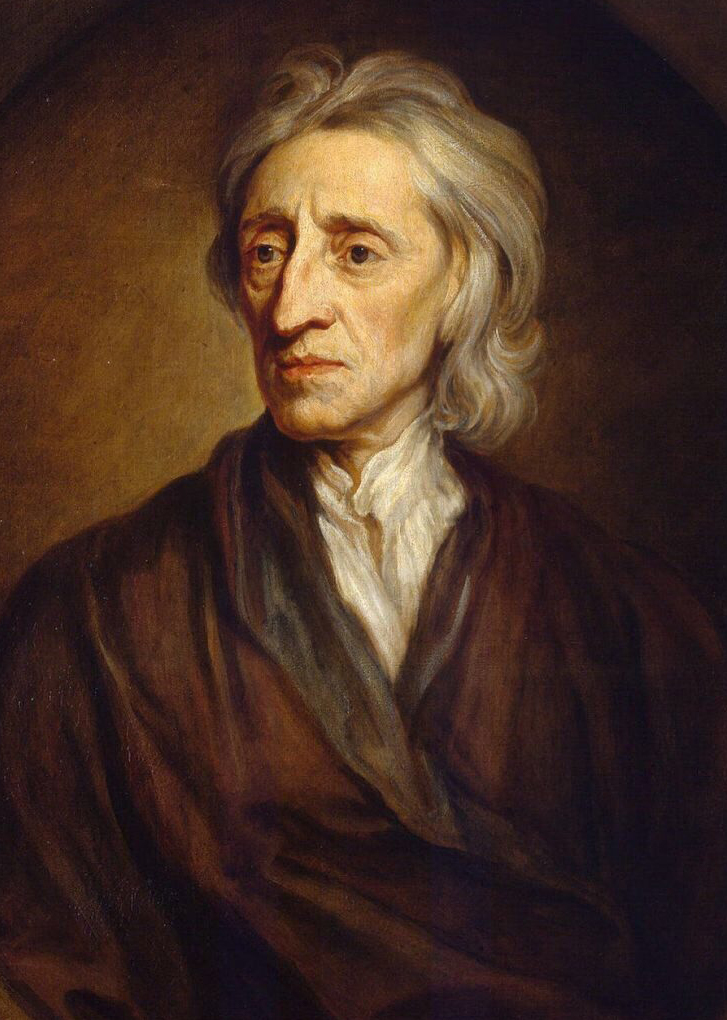
  • Portrait of John Locke

    John Locke

    1632–1704, England (writing amid the Exclusion Crisis and the Glorious Revolution)

    Shielding Power from Judgment Is Not Diplomacy but Usurpation

    When a ruler promises that an ally under international warrant will “not be arrested, in any way, shape, or form,” he does not practice statecraft; he suspends the very law on which just government rests.

    That a funeral should be the stage for such weighty dealings is itself instructive. In Washington, as leaders gather to honour a senator celebrated for his zeal in foreign wars, the sitting president meets first with Ukraine’s Zelensky, then with Israel’s Netanyahu, before proceeding to the ceremony. Around them lies an ongoing war with Iran that began in February, fresh tensions with that state, continuing conflict between Israel and Lebanon, and attacks by Ukraine on a Russian vessel aiding Iran. This is not mere condolence traffic. It is the concentrated exercise of power touching many nations’ lives, liberties, and estates, under the colour of friendship and mourning, yet aimed squarely at war and peace.

    Read the essay
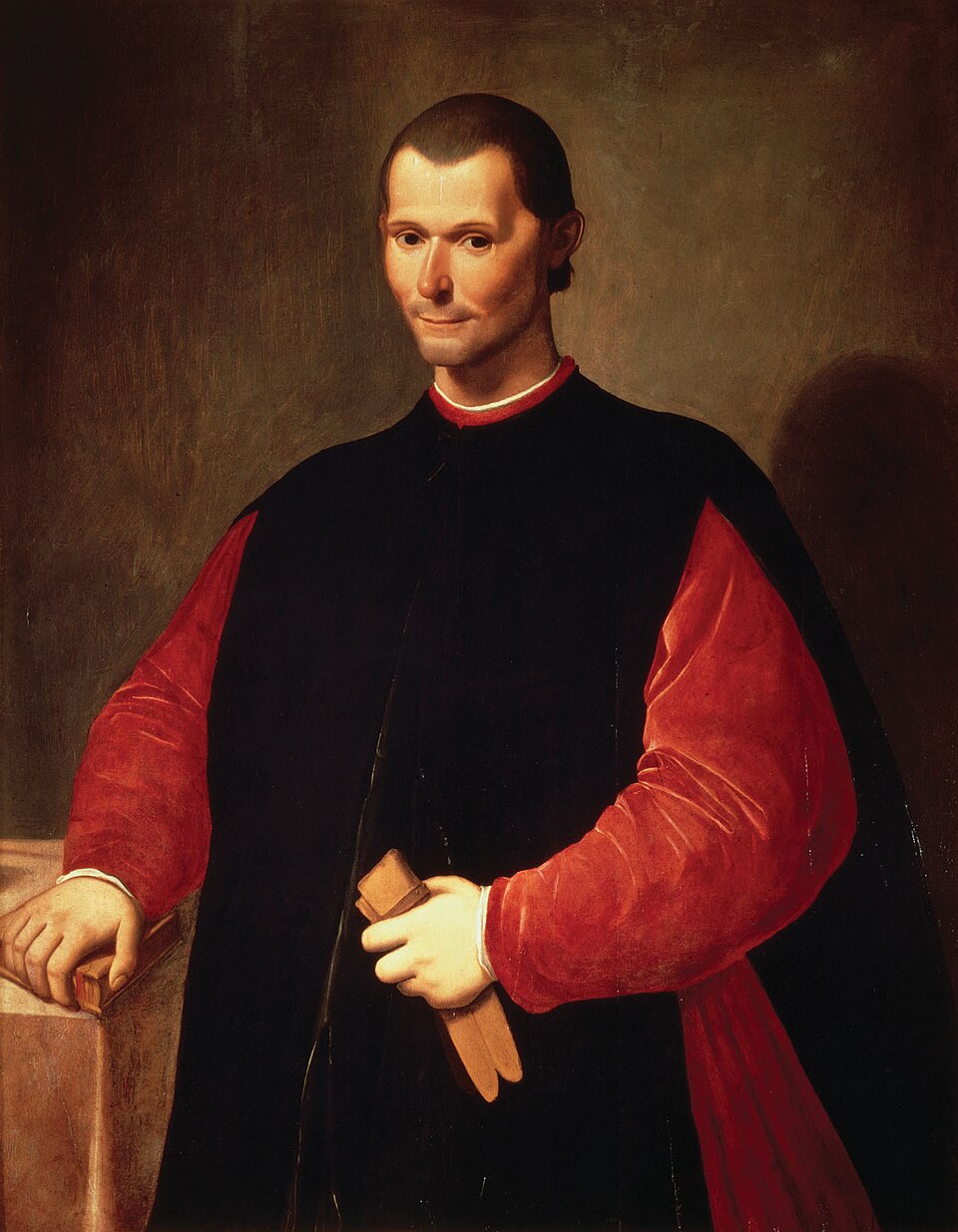
  • Portrait of Niccolò Machiavelli

    Niccolò Machiavelli

    1469–1527, Florence (republican secretary and diplomat, then exile, amid the Italian Wars)

    Power Politics at a Funeral: Three Leaders, One Stage, and No Illusions

    At Lindsey Graham’s funeral, Trump, Netanyahu and Zelensky are not mourning so much as arming themselves with appearances, alliances and leverage against fortune’s next blow.

    A funeral in Washington is the setting. The man honored is praised for his commitment to “security and freedom across the transatlantic community and around the world,” and, usefully for the living, for his zeal in backing Israel and Ukraine in their wars. Around this bier gather a president, an Israeli prime minister, and a Ukrainian president. They come, ostensibly, to mourn. Yet the same day, two of them are received at the White House, while the third carries an arrest warrant from an international court and the shadow of an Iran war that began months ago. In my time we said it more dryly: the gods give us temples, men turn them into councils of war.

    Read the essay