Trump Meets Zelensky and Netanyahu Ahead of Senator Lindsey Graham's Funeral
War Rooms at a Funeral
When statesmen turn a memorial into a council of war, we should ask who pays for their designs, and in what coin the bill is presented.
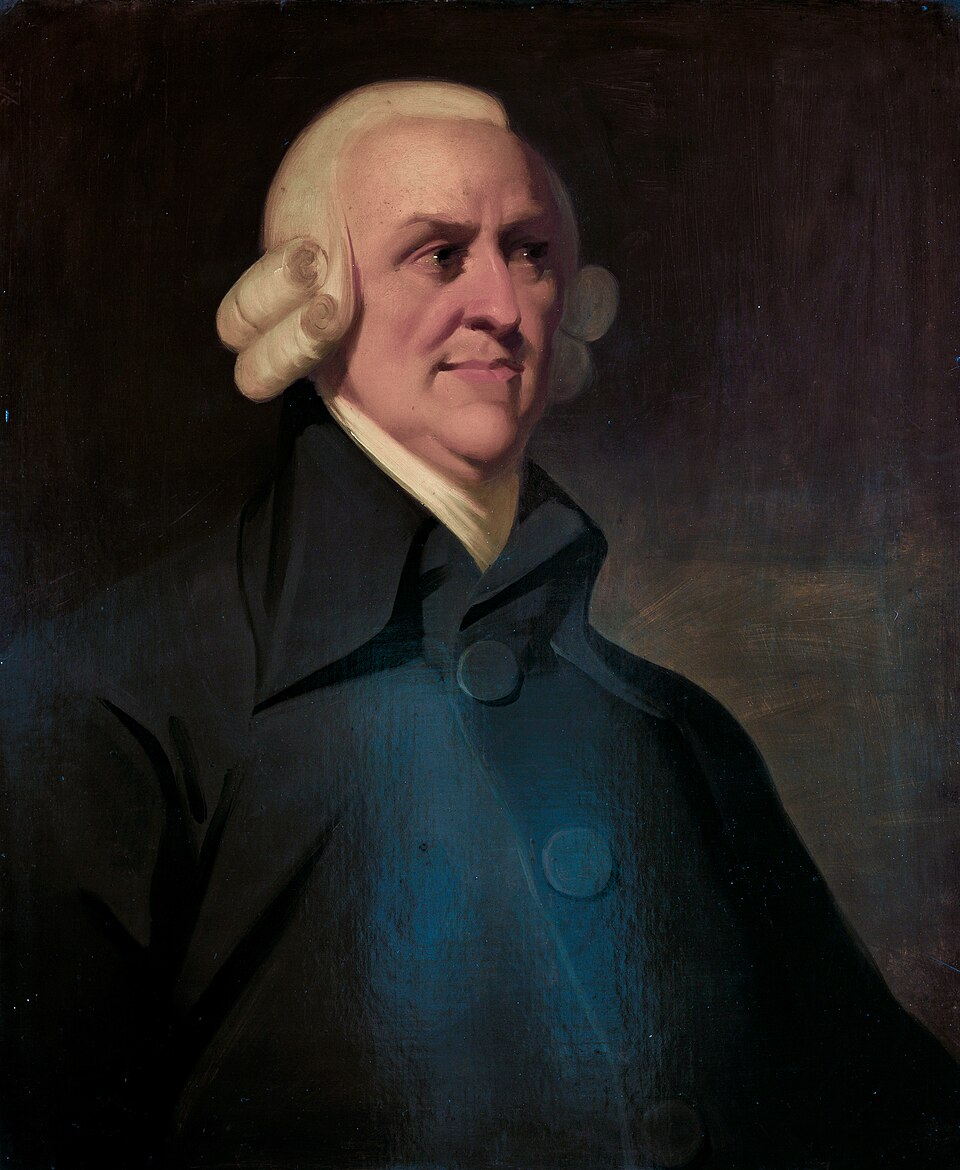
In Washington, on the day appointed to honour a senator celebrated for his zeal in foreign quarrels, the living have arranged a different sort of ceremony. Before the funeral cortège moves, a president receives first the ruler of a country at war with Russia, then the head of a government engaged in war with Iran, and afterwards will confer again with the latter upon intelligence about Tehran’s nuclear projects. The dead are praised for their attachment to “security and freedom,” yet the hours before their burial are spent discussing missiles, sanctions, and stratagems. Even in mourning, modern politics cannot resist the temptation to turn every gathering into a little congress of war.
I do not blame princes or ministers for attending to defence; in the work where I examined the wealth of nations, I reckoned the protection of society against foreign enemies one of the first duties of the sovereign. The question is not whether they ought to provide for safety, but by what means, at what cost, and to whom that cost will fall. Every gun placed in Ukraine, every new precaution against Iran, is bought with the labour of someone, somewhere, who will never see the inside of a palace or a cabinet-room, yet whose hearth feels the dearness produced by distant alarms.
The rulers who meet in the White House pursue, like other men, their own interest as they conceive it. Wishing for glory, security, or merely to keep their office, they will naturally favour those measures that show vigour abroad, even when prudence at home might counsel frugality. One leader presses for more air defences; another brings secret intelligence; a third is keen to demonstrate that an ally has not been “put in the back seat.” These are very human motives. But when self-love is armed with fleets and treasuries, the impartial spectator must watch closely that the rules of justice are not bent to excuse what would otherwise be but the quarrels of ambitious neighbours.
Justice is already challenged when an international tribunal has issued a warrant against one of the guests, and domestic authorities wrangle over who has power to detain him. I shall not presume to settle questions of law I do not know; but I may remark that such entanglements remind us how easily the language of universal norms is employed, or ignored, according to convenience. One public officer calls a foreign statesman a war criminal, yet confesses he lacks the power to act; higher authorities, it is implied, will ensure that no arrest occurs. When the strong debate not what is right, but which jurisdiction allows them to appear righteous without suffering inconvenience, the impartial spectator is not likely to be impressed.
Behind all this talk of warrants, sanctions and nuclear programmes lies a more prosaic but weighty consideration: the effect of perpetual war on the extent of the market. In my inquiries, I observed that the division of labour, which multiplies the productive powers of each workman, is everywhere limited by the scope of peaceful exchange. Wars that stretch from the Caspian Sea to the Levant, that disturb shipping lanes and frighten capital, break large markets into small, interrupting that natural progress of opulence by which the labouring poor might otherwise improve their condition. The profits of arms-contractors may rise; the wages of dockworkers and weavers do not always follow.
One is told that new rounds of talks between neighbouring states will soon be held in Rome, ostensibly to expand earlier understandings. If these negotiations genuinely narrow the theatre of conflict and enlarge the field of commerce, they deserve quiet praise; if they serve chiefly to dress fresh alignments of power in the garments of peace, they merit suspicion. When men of affairs, civil or military, promote programmes that increase their own influence, revenues, or contracts, the prudent public will examine whether there is, as I once remarked of merchants, a kind of conspiracy against the rest of society. The most dangerous cartels are not only of tradesmen, but of states.
There is, finally, something emblematic in holding strategic councils on the fringes of a funeral for a statesman known as a war hawk. The poor man’s son, of whom I once wrote in my moral work, chases honours and consequence through a life of anxiety, only to find at last that the baubles he pursued were less solid than the quiet happiness he sacrificed. Nations may imitate his folly. They may labour continually for predominance, missile superiority, and the flattery of being deemed the indispensable ally, while neglecting those humbler measures—honest justice, modest taxation, public works of plain utility—by which the annual produce of the land and labour is most surely increased. When the mourners depart and the flags are folded, the bill for all this greatness will be laid, as it ever is, before the labouring poor.
In such circumstances, the invisible hand by which men, seeking only their own advantage, often promote the public good, works uncertainly and with much friction.
From the works cited
- An Inquiry into the Nature and Causes of the Wealth of Nations — The division of labour as limited by the extent of the market; the sovereign's duties including defense and public works; critique of mercantilism and suspicion of concentrated interests.
- The Theory of Moral Sentiments — The impartial spectator as the test of conduct; sympathy as basis of moral judgment; the deception of ambition keeping industry humming but not delivering contentment.