Tuesday, August 25, 2026
Third Opinion

The dead argue about the news. You pick your side.

The story

Tuesday, August 4, 2026

Trump Calls Off Iran Attack, Urges Last Chance for Deal Amid Strait of Hormuz Tensions

Trump Calls Off Iran Attack, Urges Last Chance for Deal Amid Strait of Hormuz Tensions
Photo: The Hill

Over the weekend, President Trump called off a planned attack on Iran, which he later described as potentially "the biggest attack since World War II." On Monday, he stated that talks were to be held after reaching the "perimeters" of a deal and referred to this as Iran's "last chance" to make a deal before potential military action. Iranian President Masoud Pezeshkian said on state media that Iran defends its borders but does not seek to expand the war. Iranian Foreign Ministry spokesperson Esmaeil Baghaei denied ongoing talks with the US, noting only technical discussions with Oman regarding the reopening of the Strait of Hormuz, a strategic waterway for global oil supplies. The US continues to implement what President Trump calls a "wall of steel," a blockade of Iranian ports. Reports also emerged of a cargo ship being struck in the Strait of Hormuz amid these tensions.

Sourcesthehill.compbs.orgfoxnews.comnpr.orgpbs.orgbbc.co.ukthehill.comnpr.orgpbs.orgaljazeera.comnytimes.comthehill.commotherjones.commotherjones.comtheguardian.commotherjones.com

The takes

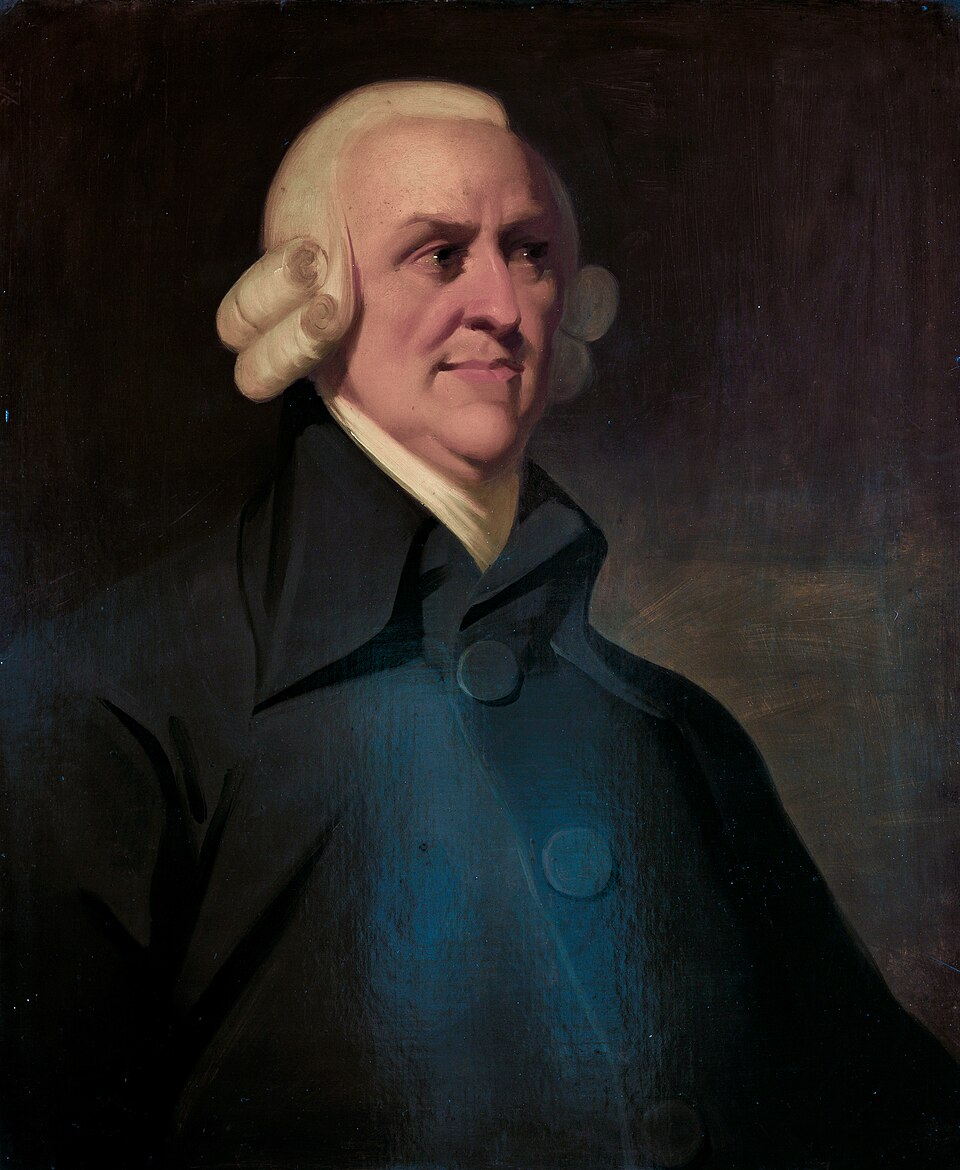
  • Portrait of Adam Smith

    Adam Smith

    1723–1790, Scotland (the Scottish Enlightenment: Kirkcaldy, Glasgow, Edinburgh)

    Gunboats at the Bottleneck of the World’s Oil

    When the Strait of Hormuz becomes a chessboard for reputations, the labouring poor pay in dearer fuel for games they did not choose to play.

    A single narrow strait now bears a burden once carried by many scattered markets. We are told that through this pass, in times of peace, goes about a fifth of the world’s oil. Over it, fleets manoeuvre, cargo ships report mysterious blows, and presidents speak of “walls of steel,” of “last chances,” and of attacks that would have been the greatest since the last great war. One government proclaims that it defends its borders but seeks not to widen the war; another calls off a vast assault and immediately names the reprieve a decapitation deferred. The theatre is grand, the language sanguinary, yet the persons most concerned are the least mentioned: those whose wages will buy less when the oil is dear.

    Read the essay
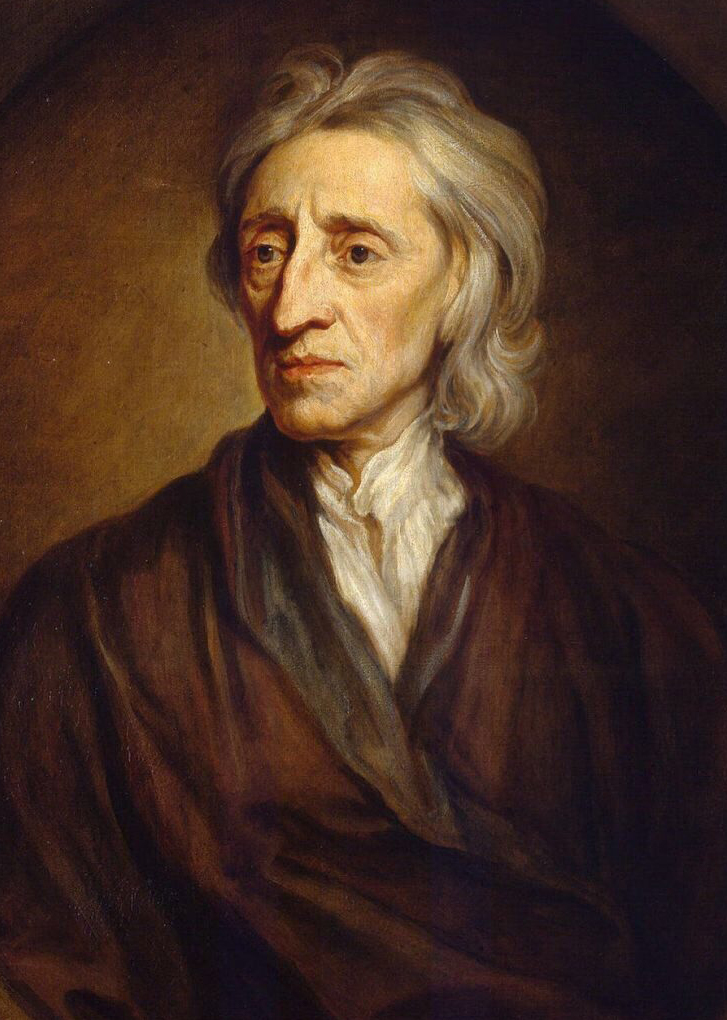
  • Portrait of John Locke

    John Locke

    1632–1704, England (writing amid the Exclusion Crisis and the Glorious Revolution)

    Prerogative at the Edge of the Strait

    When a single man suspends the largest of wars with a word while ships are turned from a vital sea‑gate, we are no longer debating strategy but the outer limits of political trust.

    A president boasts that he was ready to launch “the biggest attack since World War II,” then declares he has held back, that this is Iran’s “last chance” before “decapitation.” At the same time, his forces maintain a “wall of steel,” a blockade of Iranian ports, and redirect, disable, and board commercial ships. On the other side, Iran’s rulers say, “We defend our borders, but we do not seek to expand the war,” even as they insist on leverage over the Strait of Hormuz, through which a fifth of the world’s oil once passed. I read such reports not as a strategist, but as a man who once tried to define what counts as rightful government, and when force ceases to be law at all.

    Read the essay
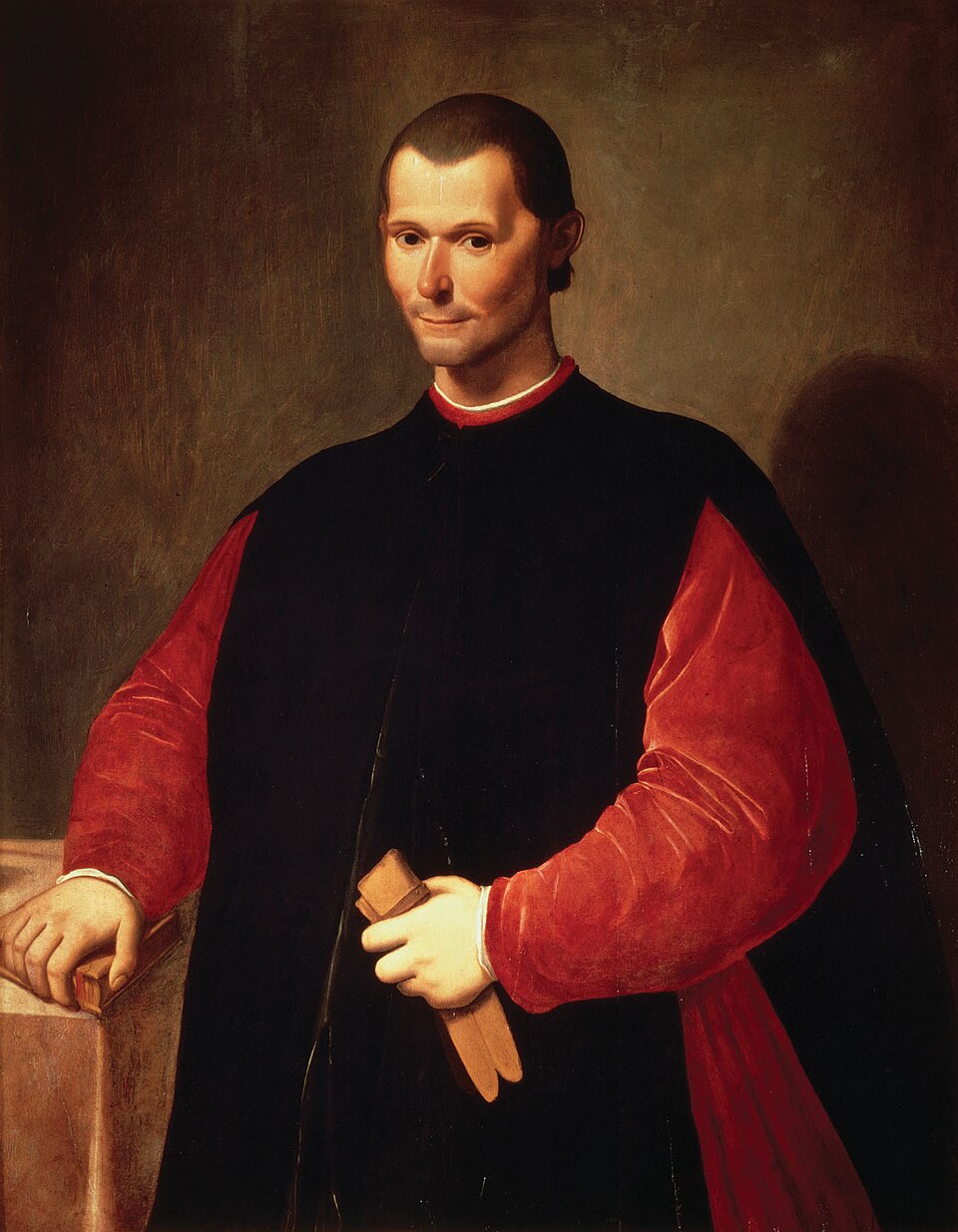
  • Portrait of Niccolò Machiavelli

    Niccolò Machiavelli

    1469–1527, Florence (republican secretary and diplomat, then exile, amid the Italian Wars)

    Trump’s Cancelled Strike on Iran Is the Most Dangerous Kind of Mercy

    By brandishing “the biggest attack since World War II” and then holstering it, the president has staked American power on a middle course that can only be redeemed by swift, decisive results—or exposed as a ruinous hesitation.

    The scene is simple in its outline and intricate in its consequences. Over the weekend, the president of the United States orders what he later calls “the biggest attack since World War II” against Iran, then calls it off. He keeps in place a blockade of Iranian ports, proudly renamed a “wall of steel.” Soon after, he declares that this restraint is Iran’s “last chance” to make a deal “before decapitation,” while Tehran’s president replies that Iran will defend its borders but not seek to expand the war. Around them circle Oman, Pakistan, the Gulf states, and a cargo ship struck by an “unknown projectile” in the Strait of Hormuz.

    Read the essay